ChatGPT Search has started using the site: operator at a much higher rate in its replies, as tracked by Promptwatch across major chat products. The share of ChatGPT Search fanout queries containing site:operator jumped from about 0.15% on August 3–5 to 16–17% on August 8. As a result, companies in the generative engine optimization space can measure and adjust their prompt-targeting strategies to better influence ChatGPT Search results.
OpenAI launched an Apple Messages plug-in for ChatGPT that connects a user’s Messages inbox to the chatbot for actions like sorting, analyzing, editing, drafting, and sending messages. The plug-in was released on August 20, 2026 at 3:09 PM PDT. It changes workflows by letting ChatGPT generate and send follow-up texts (and potentially delete or search message history) with local processing, while requiring users to review messages because persistent approval removes their last chance to check before sending.
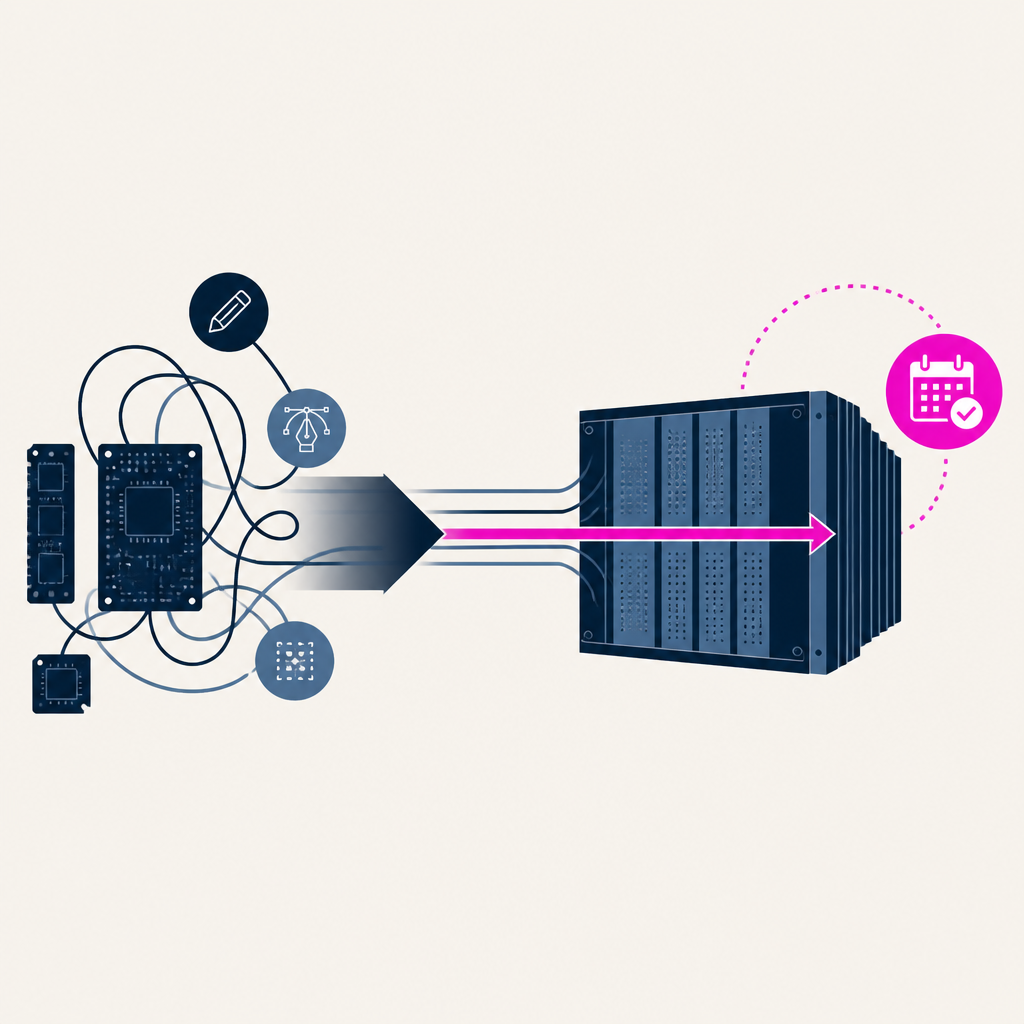
Stampli used Codex and ChatGPT Work to compress launch production by using AI-assisted drafting and design support. The timeline change was from weeks of launch production down to days. As a result, Stampli could meet a fixed deadline despite having limited design resources available.
Every AI story that matters,
in your inbox by 8am.
TLDRocket reads all relevant sources, removes duplicate coverage, and summarises the
day in two minutes. Follow companies and topics for alerts, or get the
briefing in Slack. Free, no spam, unsubscribe anytime.
Reading TLDRocket needs no cookies, and the readership counts we rely on come from
our own cookieless analytics. Google Analytics is the exception: it sets cookies and
reports to Google, so it stays switched off until you allow it. You can change your
mind any time from “Cookie settings” in the footer.
Strictly necessary
Session security and form protection (tldrocket-session,
XSRF-TOKEN, 2 hours). The site cannot work without them,
so they need no consent.
Always on
Google Analytics 4 (_ga,
_ga_<id>, up to 2 years). Measures which
stories and sections readers use. Google acts as a third-party processor and may
store the data outside the EU. No advertising, no profiling, no data sold.