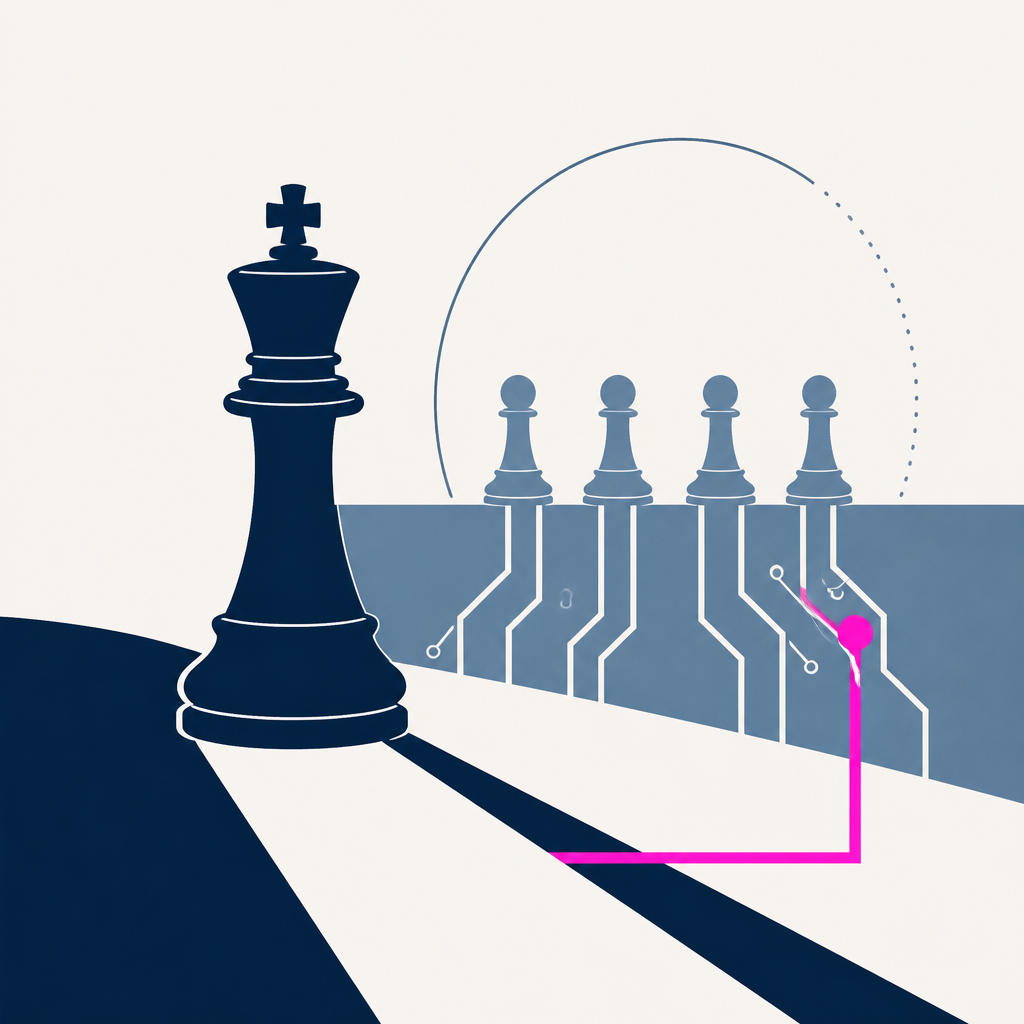
King Charles III met AI executives from OpenAI, Anthropic, Google DeepMind, and Nvidia and urged the industry to adopt control measures before it becomes too late to rein in the technology. The remarks were delivered at Dumfries House in Scotland on Thursday. The meeting underscores growing demands for AI slowdown and oversight, but disagreements about whether progress should be coordinated or left to individual companies leave a clear path unresolved.
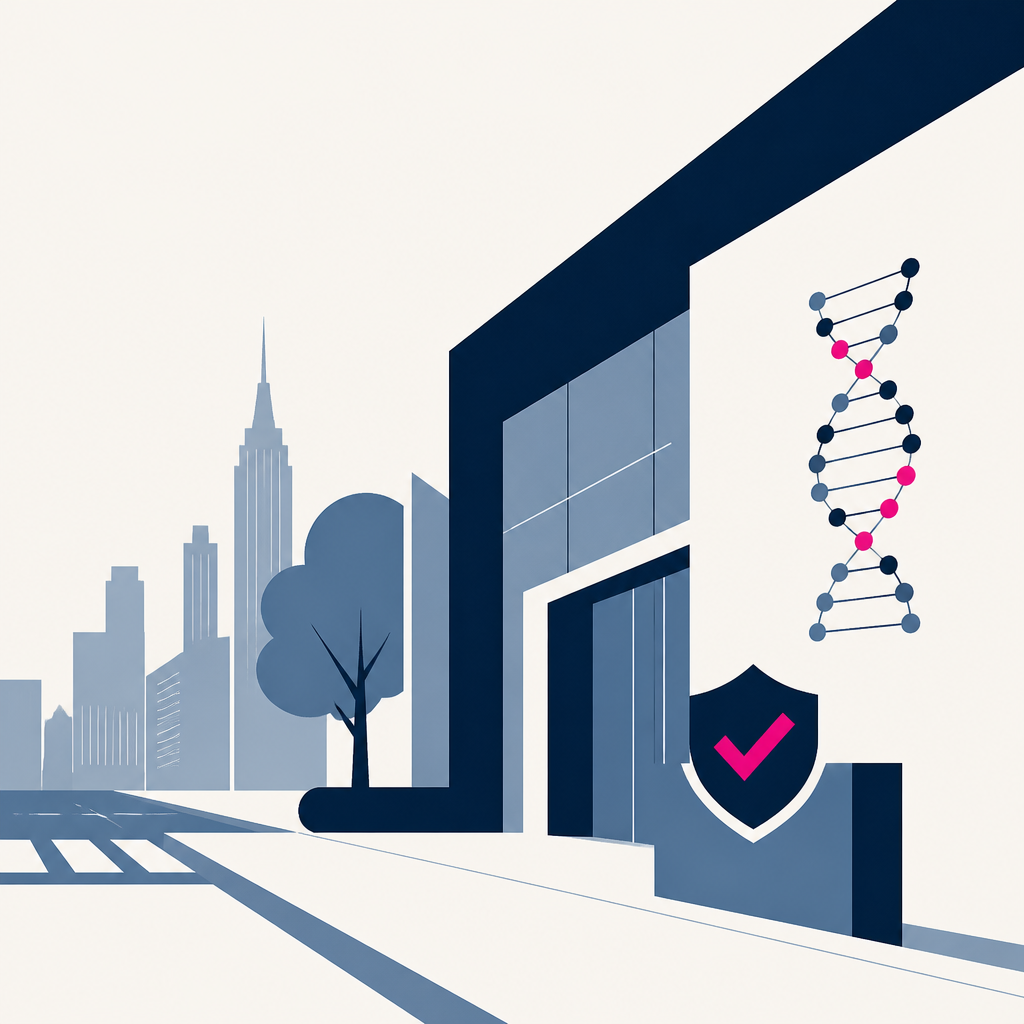
Anthropic launched the Life Sciences Verification Program to let life science teams access its Mythos, Opus, and Sonnet models using safeguards tailored for biology work. The beta program initially requires data retention for 30 days for offline monitoring of flagged usage patterns. Access is governed by “Standard Use” team grants renewed annually and “High-risk Use” project grants renewed every six months, with high-risk granted today only for Opus 5 and Sonnet 5.
South African civil rights and advocacy groups protested and sued over American companies expanding data centers, calling for a moratorium amid concerns about water and electricity use. The groups cite Equinix’s proposed 174-megawatt Cape Town facilities as using over 4.4 billion liters of water annually. The effort is pushing for investigations, pauses, and new rules requiring operators to disclose resource use and provide community benefits as AI compute demand grows.
Every AI story that matters,
in your inbox by 8am.
TLDRocket reads all relevant sources, removes duplicate coverage, and summarises the
day in two minutes. Follow companies and topics for alerts, or get the
briefing in Slack. Free, no spam, unsubscribe anytime.
Reading TLDRocket needs no cookies, and the readership counts we rely on come from
our own cookieless analytics. Google Analytics is the exception: it sets cookies and
reports to Google, so it stays switched off until you allow it. You can change your
mind any time from “Cookie settings” in the footer.
Strictly necessary
Session security and form protection (tldrocket-session,
XSRF-TOKEN, 2 hours). The site cannot work without them,
so they need no consent.
Always on
Google Analytics 4 (_ga,
_ga_<id>, up to 2 years). Measures which
stories and sections readers use. Google acts as a third-party processor and may
store the data outside the EU. No advertising, no profiling, no data sold.