South Africa joins the global resistance against American data centers
Rest of World Danai Nesta Kupemba
South African groups are trying to stop new U.S.-backed data centers. They say the AI boom is coming for water, power and land first.
Based on reporting by Rest of World, Danai Nesta Kupemba — read the original for the full story.
Summary, retelling and take written by AI under human oversight; images are AI-generated illustrations. How we work · Report an error
Civil rights groups in South Africa are mounting one of the continent’s first coordinated attempts to slow down AI infrastructure. Their target is the new wave of data centers being built for American tech companies, and they want a nationwide pause before the projects spread further.
The pressure is landing in a country that already has more data centers than anywhere else in Africa. Microsoft, Amazon, Google, Equinix and Digital Realty are all part of the rush, while demand for computing power across the continent could reach 2.2 gigawatts by 2030, according to McKinsey. Microsoft has already committed 5.4 billion rand, or about $300 million, in South Africa by 2027. Amazon Web Services says it will put in $1.5 billion through 2029 to expand AI capabilities across Africa. Equinix plans $438 million in South Africa.
But the backlash is getting organized. Housing Assembly, a Cape Town advocacy group, and the U.K.-based nonprofit Foxglove filed a legal challenge in August against two Equinix projects proposed in Cape Town. They have also asked the South African Human Rights Commission to look into the plans and back a pause on hyperscale data center expansion. The groups want operators to disclose how much water and electricity they use, and they want local communities to get benefits, not just the noise and the bills.
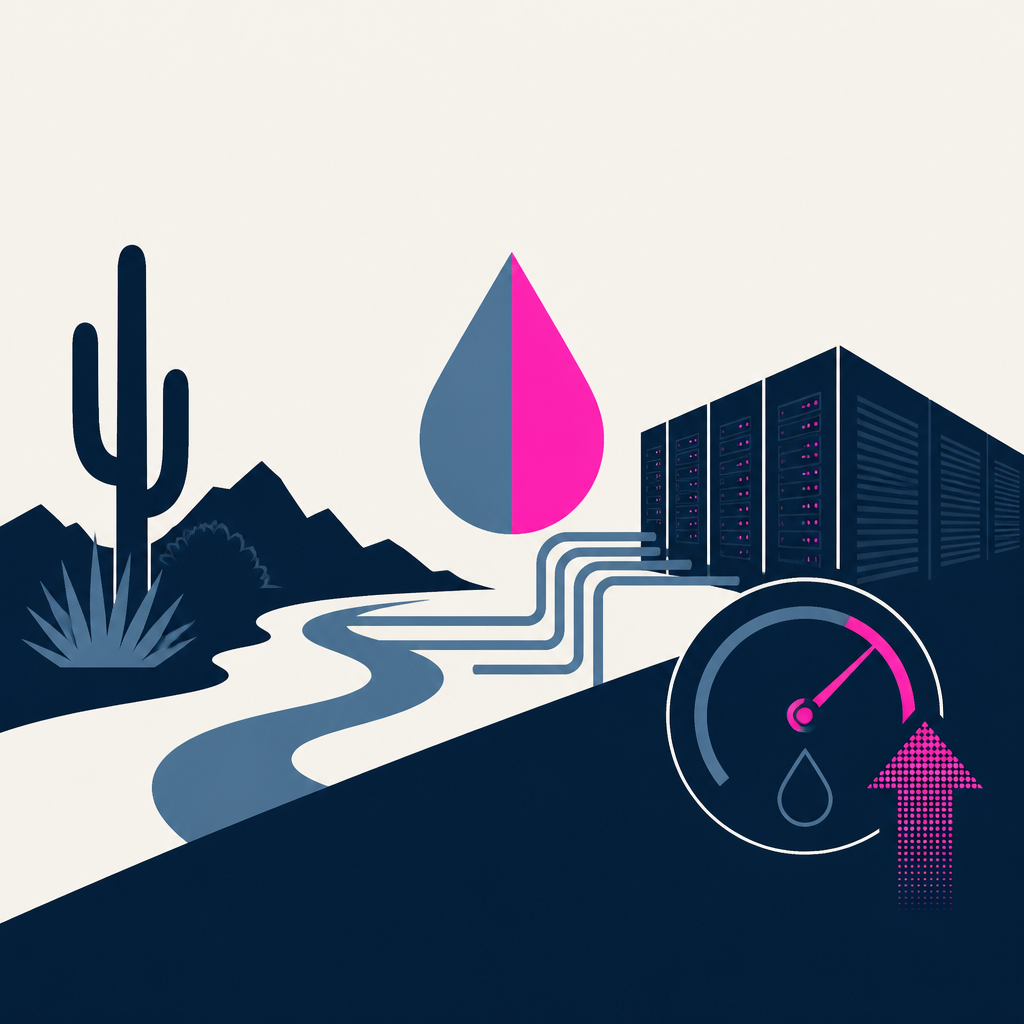
Equinix is the flashpoint because its proposed Cape Town facilities are big enough to make the arguments concrete. The groups say the 174-megawatt project would use more than 4.4 billion liters of water a year, roughly what 18,000 homes would use in the same period. That lands badly in a country that is already water-stressed and in a city that nearly ran out of water in 2018. Equinix says sustainable design is a starting point, not an afterthought.
The fight is part of a wider pattern. Data centers are drawing scrutiny in the U.S., too, with protests in Virginia, California and Philadelphia, and New York imposing a statewide moratorium for up to a year on hyperscale facilities in June. Africa still has only about 409 megawatts of operational data center capacity, less than 1% of the global total, so the infrastructure gap is real. The argument now is over who gets to decide how that gap gets filled, and who pays the price first.
My take — AI-written commentary, not fact-checked reporting
This is the moment when “digital transformation” runs into the water bill. Africa does need more compute, but the current model looks a lot like old-school extractive politics with better branding and a cloud logo. If companies want trust, they can start by opening the books on power, water and community costs instead of treating local residents like background noise.
Read more about this at: Rest of World