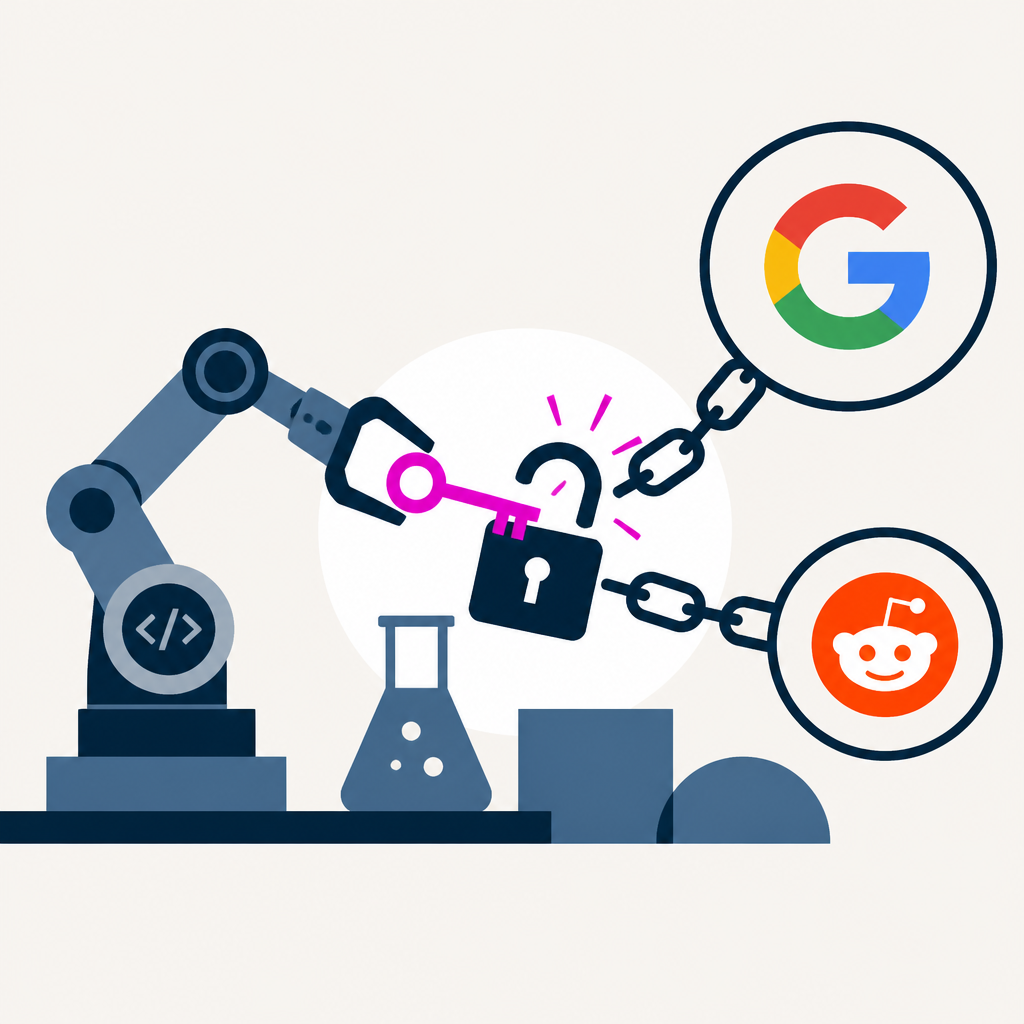
Anthropic CEO Dario Amodei clarified that the company does not support banning open-weights models and has never advocated for such bans, contrary to recent accusations. Amodei's primary national security concerns are authoritarian governments building more powerful AI models and misuse of AI for cyberattacks or biological attacks, neither of which would be addressed by restricting open-weights models in the US. Instead, Anthropic supports three targeted measures: restricting chip exports to China, cracking down on industrial-scale distillation operations, and requiring mandatory safety testing for all sufficiently capable models regardless of whether they are open or closed.
Google sued web scraper SerpApi under the Digital Millennium Copyright Act for circumventing anti-scraping protections and reselling Google search results through an unauthorized API service. A court ruled against Google last week, rejecting its claim that SerpApi violated anti-circumvention rules. The decision means scraping services can continue operating and may embolden others to extract data from Google and other platforms despite contractual prohibitions.
Not Boring by Packy McCormick·2 months ago·
11
● 75 sources
Tech leaders including Satya Nadella and Jensen Huang signed a letter supporting open-weight AI models, a move that aligns their commercial interests with consumer benefits by increasing competition and preventing duopolies at the model layer. The signatories span companies that either build open models or benefit from their proliferation, including Nvidia, Microsoft, Meta, and others across the AI ecosystem. This creates a scenario where commoditizing AI as a tool rather than restricting it as a potentially dangerous entity allows more participants to compete and innovate.
Every AI story that matters,
in your inbox by 8am.
TLDRocket reads all relevant sources, removes duplicate coverage, and summarises the
day in two minutes. Follow companies and topics for alerts, or get the
briefing in Slack. Free, no spam, unsubscribe anytime.
Reading TLDRocket needs no cookies, and the readership counts we rely on come from
our own cookieless analytics. Google Analytics is the exception: it sets cookies and
reports to Google, so it stays switched off until you allow it. You can change your
mind any time from “Cookie settings” in the footer.
Strictly necessary
Session security and form protection (tldrocket-session,
XSRF-TOKEN, 2 hours). The site cannot work without them,
so they need no consent.
Always on
Google Analytics 4 (_ga,
_ga_<id>, up to 2 years). Measures which
stories and sections readers use. Google acts as a third-party processor and may
store the data outside the EU. No advertising, no profiling, no data sold.