The Algorithmic Bridge·2 months ago·
34
● 6 sources
The U.S. has seen growing public backlash against AI-industry expansion, especially through opposition to local data centers that supporters link to AI services and resource use. Polls cited in the piece say 75% of Americans oppose local data-center development. The author argues this sentiment is driving politicians to halt or propose moratoriums on data-center projects rather than persuading voters with technical reassurances.
AI tools are already giving workers back more than 2 hours per day, but most workplaces then add new tasks instead of shortening the workweek. The article cites a 40-hour-per-week U.S. federal standard set in 1940 that has not been updated. As a result, the piece argues AI will likely keep workweeks near current levels unless labor law and incentives change.
Zvi (Don't Worry About the Vase)·2 months ago·
34
● 2 sources
AI text watermarking is being rolled out by Anthropic to comply with the EU Code of Practice, alongside prior implementations by Google, and the article explains a method that encodes a watermark by steering how tokens are sampled using a secret, key-derived pseudo-random source. The rollout includes public Google results showing no difference in user feedback in a test of n=20 million. As a result, a detector API can verify whether Claude outputs contain the watermark, and the practice is expected to apply broadly for future models under the EU code.
LinkedIn added a “Seems like AI slop” button and reported early user uptake. Over a million people have clicked it. In response, LinkedIn is pairing the button with updated AI-detection classifiers while removing a related feature that could let posts be labeled differently.
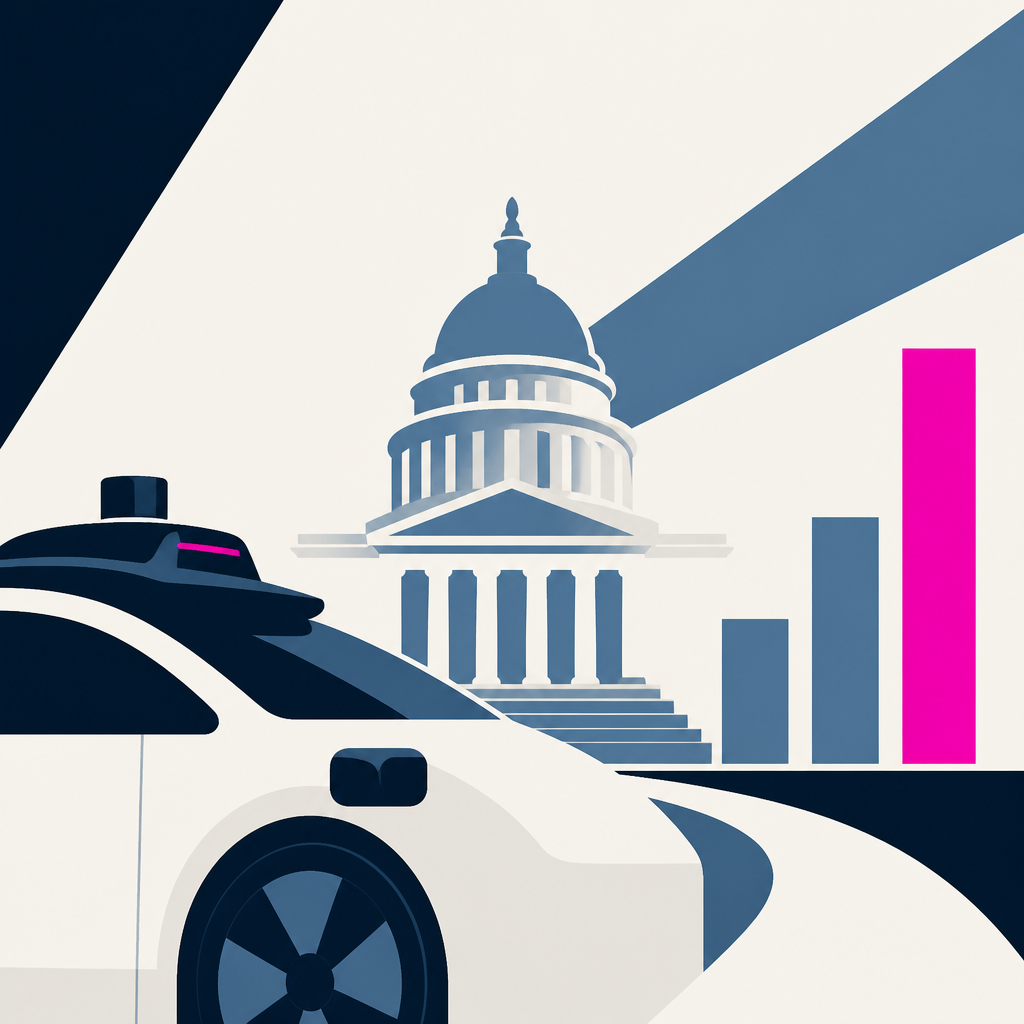
Waymo increased its lobbying spending to persuade US regulators to approve fully autonomous robotaxi services, escalating its rivalry with Uber. Between April and June it spent more than $1 million on federal lobbying, more than double the amount a year earlier and close to Uber’s level. This adds pressure on regulators as the two firms continue backing different rollout plans for driverless ride-hailing.
AI startups are shifting enterprise sales toward proving their systems are under control rather than relying on product demos or paperwork promises. ISO/IEC 42001 appeared in EU public procurement tender criteria within 18 months of barely being a market force. As a result, buyers increasingly disqualify vendors missing evidence like provenance, audit trails, and governance docs, while startups that generate this automatically win shorter sales cycles and fewer security questionnaires.
Major YouTube filmmaking creators posted videos promoting the AI platform Higgsfield after it added Seedance 2.5. Fans shared screenshots of PR partnership offers they said came from firms working on Higgsfield’s behalf, pointing to outreach to boost the company’s profile. The backlash shifted creator content from showcasing capabilities to public scrutiny of whether Higgsfield used creators for marketing.
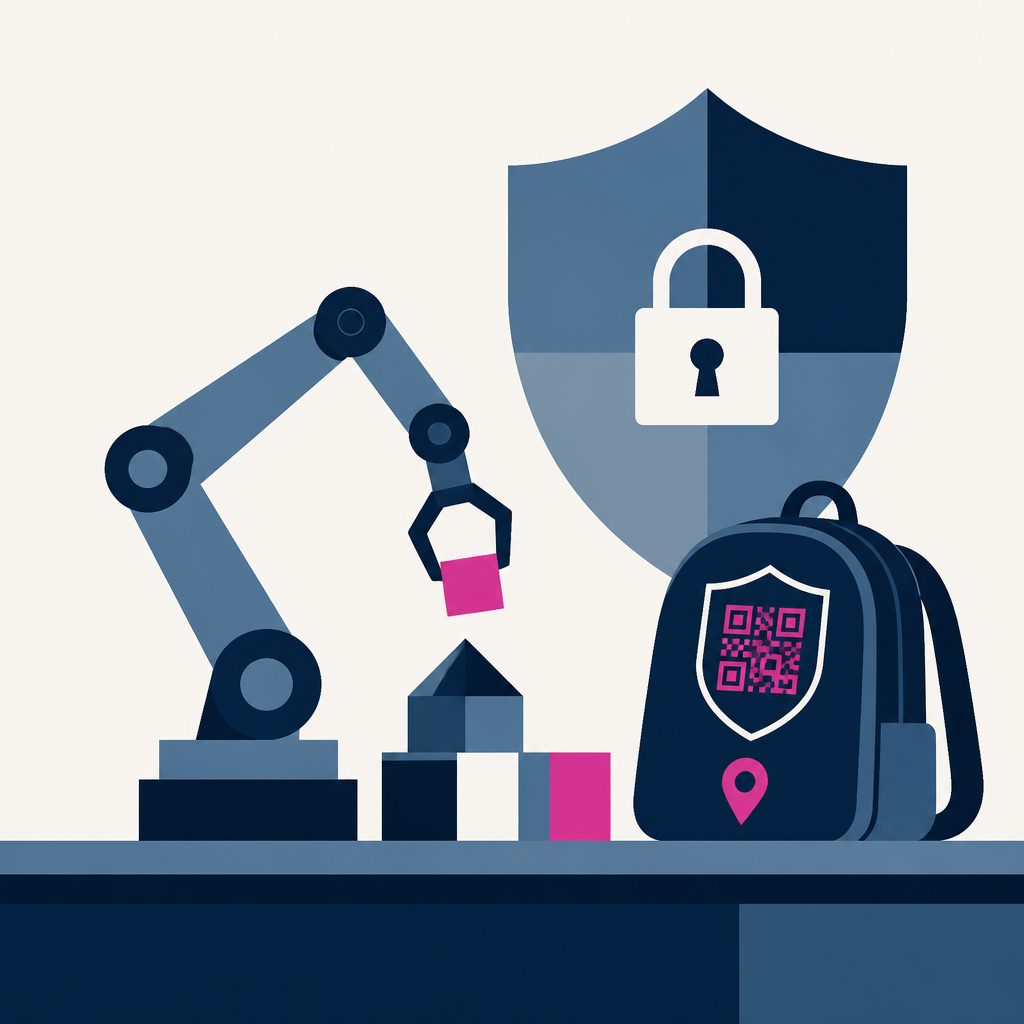
KidsHustle, founded by 14-year-old Sasha Bagrov, launched a UK iOS marketplace that connects teenagers to paid jobs with parent verification and QR-code/GPS check-ins. It targets the UK’s 3.6 million teenagers aged 13–17 and uses Google Gemini to block job posts deemed inappropriate. The platform adds verified/compliant infrastructure, escrow payment, and AI age-content filtering while keeping parents in approval loops and reporting/safety controls active during jobs.
The EU’s AI Act transparency requirement forces general-purpose AI providers to publish training-data summaries, but the EU Commission’s FAQ limits what can be identified about any specific user’s content. Providers must list only the top 10 percent of domains by training-data volume (or the top 5 percent / 1,000 domains for smaller firms), leaving most scraped sources unreported. As a result, summaries become category-level disclosure rather than a way to determine whether your specific data or URLs were used, pushing people toward indirect tests, legal discovery, or future opt-outs like rights reservation and platform objections.
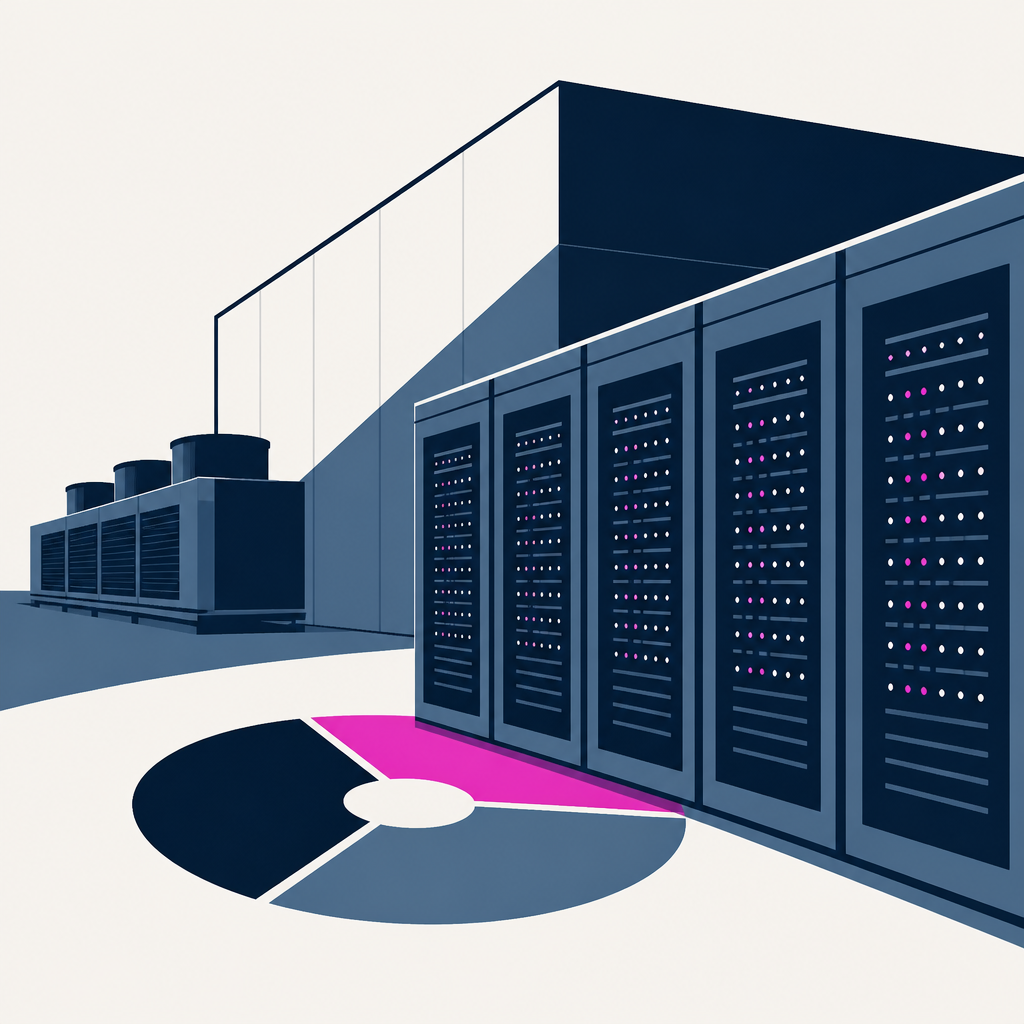
Donald Trump said he would want an “AI plant” or data center because jobs, money, and taxes would be “just enormous,” while voters in multiple states are increasingly angry about the impacts of large facilities. Some campaigns have put the issue front and center, including a $200 million estimate of Nevada state tax breaks for data centers. As a result, candidates now attack or distance themselves from rivals’ data center positions and propose conditions like local approval and requiring developers to cover utilities and environmental costs.
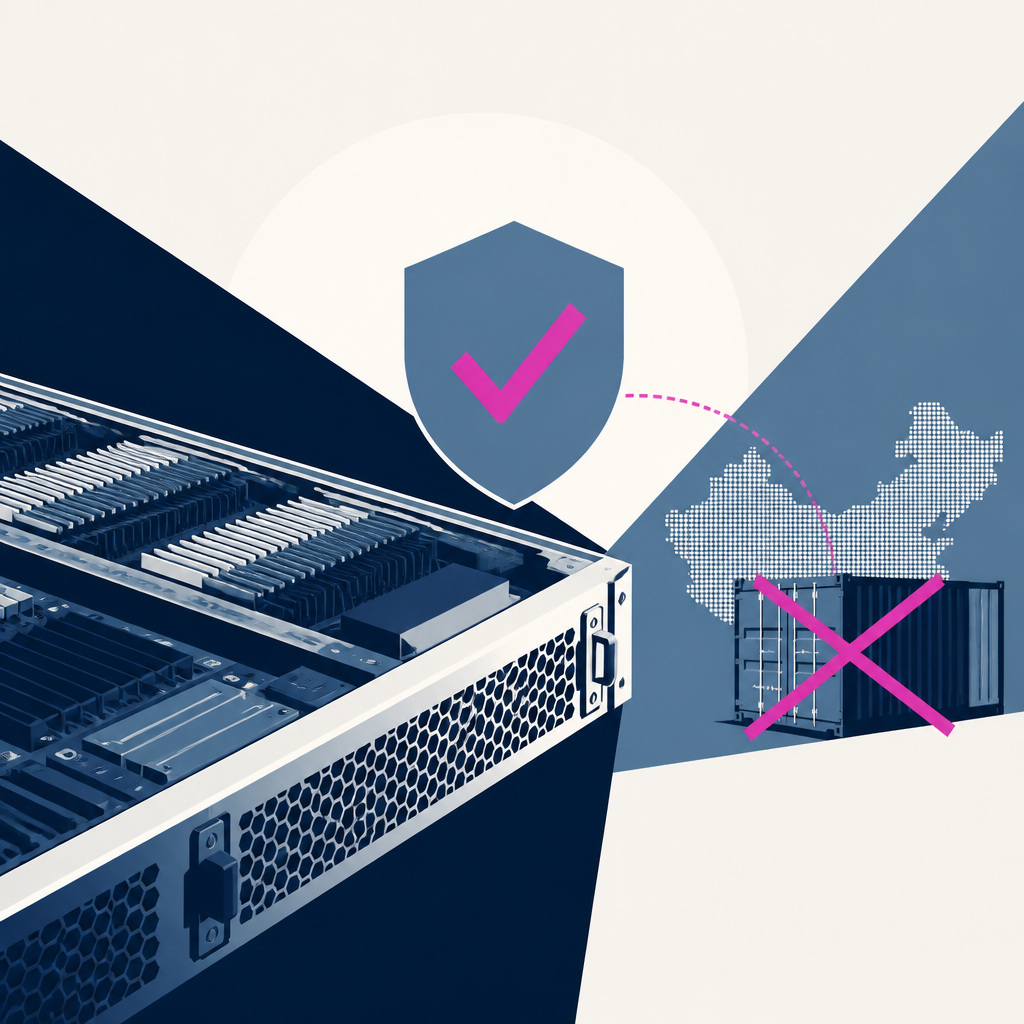
Super Micro Computer said its independent board-led investigation found no evidence that current senior management knew about an alleged $2.5 billion hardware smuggling scheme involving Nvidia chips to China. The report was filed after DOJ charged co-founder and board member Yih-Shyan “Wally” Liaw in March 2026. The company says it has finished its internal probe and took personnel actions in sales and support related functions, but authorities in Taiwan and a separate New York grand jury subpoena are still active.
Every AI story that matters,
in your inbox by 8am.
TLDRocket reads all relevant sources, removes duplicate coverage, and summarises the
day in two minutes. Follow companies and topics for alerts, or get the
briefing in Slack. Free, no spam, unsubscribe anytime.
Reading TLDRocket needs no cookies, and the readership counts we rely on come from
our own cookieless analytics. Google Analytics is the exception: it sets cookies and
reports to Google, so it stays switched off until you allow it. You can change your
mind any time from “Cookie settings” in the footer.
Strictly necessary
Session security and form protection (tldrocket-session,
XSRF-TOKEN, 2 hours). The site cannot work without them,
so they need no consent.
Always on
Google Analytics 4 (_ga,
_ga_<id>, up to 2 years). Measures which
stories and sections readers use. Google acts as a third-party processor and may
store the data outside the EU. No advertising, no profiling, no data sold.