
Supermicro investigation clears CEO in $2.5 billion alleged smuggling scheme
Fortune Amanda Gerut
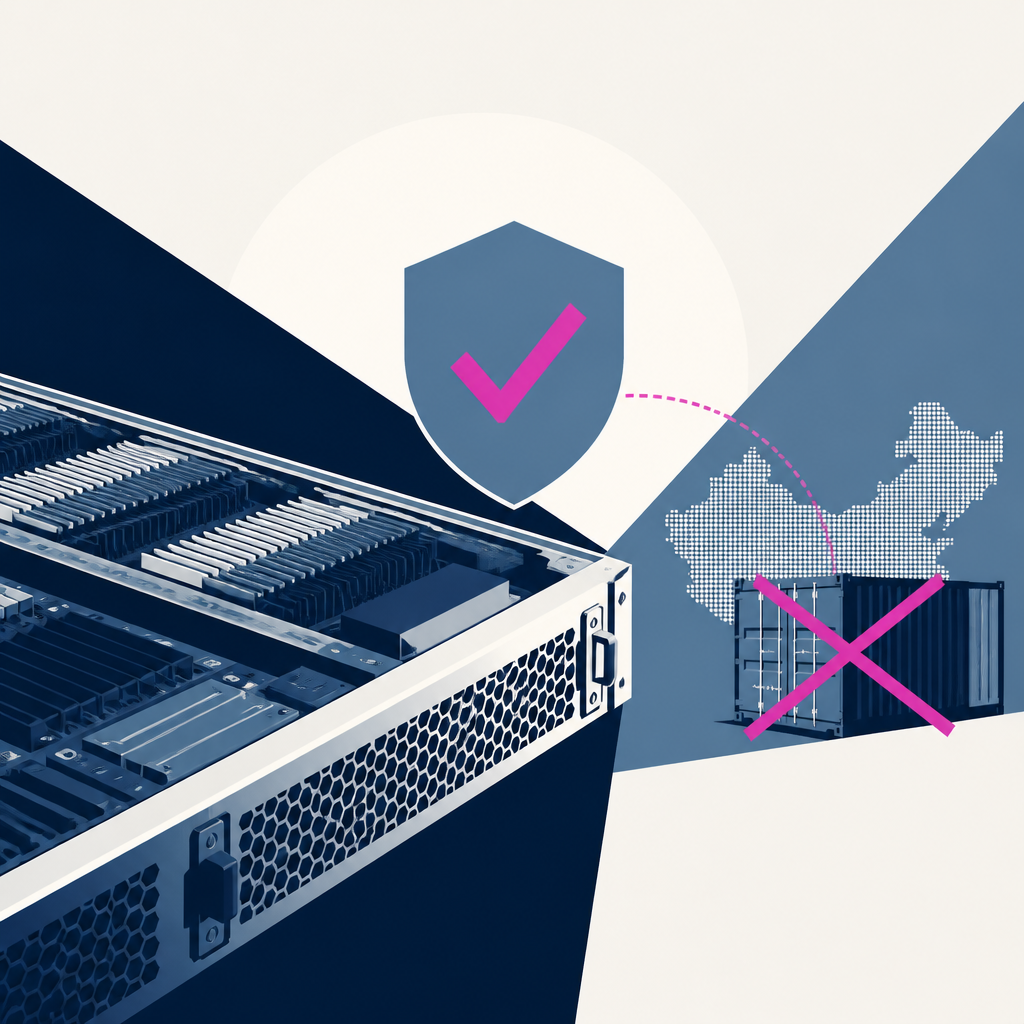
Supermicro says an outside probe found no proof its top brass knew about a $2.5B China chip-smuggling scheme. But U.S. and Taiwan investigators are still digging, so this is far from over.
Based on reporting by Fortune, Amanda Gerut — read the original for the full story.
Summary, retelling and take written by AI under human oversight; images are AI-generated illustrations. How we work · Report an error
Super Micro Computer says an independent board-led investigation found no evidence that current senior management knew about an alleged $2.5 billion smuggling scheme involving Nvidia-powered hardware sent to China. For investors, that was the point of Thursday’s release: a clean bill of health from the company itself after five messy months since the Justice Department indicted co-founder and board member Yih-Shyan “Wally” Liaw in March.
But the company’s statement was light on detail. It said the board found no evidence that the CEO or other senior leaders knew about the alleged ring, yet it did not spell out much about what investigators actually uncovered. And outside the boardroom, the questions haven’t gone away.
In Taiwan, authorities are running a separate probe and detained four Supermicro employees for questioning last month over Supermicro sales to a tech company. In June, the company also received a federal grand jury subpoena in New York. Thursday’s announcement did not mention either development, and it did not name Liaw.
Liaw’s ties to the company make the story harder to wave away. He co-founded Supermicro with chairman and CEO Charles Liang and Liang’s wife, Sara Liu, more than 30 years ago. He stayed in senior roles and on the board until March 19, when the charges were unsealed. He has pleaded not guilty, and his trial has been pushed from November 2026 to March 2027.
The board’s review was led by independent director Scott Angel and audit committee chair Tally Liu, with Munger, Tolles, & Olson as outside counsel and AlixPartners as forensic accounting consultant. Supermicro says the team reviewed the transactions named in the indictment plus “a selection of other customers who bought restricted products,” and found no evidence of management knowledge, no evidence of sales to banned companies or individuals, and no evidence that prior financial statements were unreliable. The company also said it took personnel actions, including terminations, in sales, technical support and business development.
This is the second time in two years Supermicro has said an internal review cleared management. Last year’s probe, after EY quit mid-audit, found no fraud or misconduct. That hasn’t stopped the scrutiny. Supermicro has also faced SEC attention before, settled with the agency in 2020 for $17.5 million, and was once delisted from Nasdaq over accounting issues. The company may want this chapter closed. The regulators clearly don’t.
My take — AI-written commentary, not fact-checked reporting
Corporate boards love the phrase “no evidence,” because it sounds tidy and final. In cases like this, it mostly means the company has survived one round of scrutiny, not that the smoke has cleared. When U.S. prosecutors and Taiwanese investigators are still circling, the board’s victory lap is just a press release with better lighting.
Read more about this at: Fortune
Related stories
 Nvidia senior manager linked to Supermicro scheme smuggling AI servers to China
Ars Technica · 1 month ago ·
30
Nvidia senior manager linked to Supermicro scheme smuggling AI servers to China
Ars Technica · 1 month ago ·
30
 US arrests tech CEO accused of smuggling $300M in Nvidia chips into China
Ars Technica · 2 weeks ago ·
35
Taiwan’s six-year hunt for China’s undercover chip labs
Rest of World · 1 month ago ·
30
US arrests tech CEO accused of smuggling $300M in Nvidia chips into China
Ars Technica · 2 weeks ago ·
35
Taiwan’s six-year hunt for China’s undercover chip labs
Rest of World · 1 month ago ·
30