
U.S. and China propose AI risk notification mechanism ahead of Trump-Xi talks
Fortune 50 ● 12 sources
The U.S. and China proposed an AI risk notification mechanism for incidents that could affect national security ahead of Trump-Xi talks.
898 summarised stories about AI Policy, each linking back to the original source. Browse all topics →
Fortune 50 ● 12 sources
The U.S. and China proposed an AI risk notification mechanism for incidents that could affect national security ahead of Trump-Xi talks.
Fortune 33
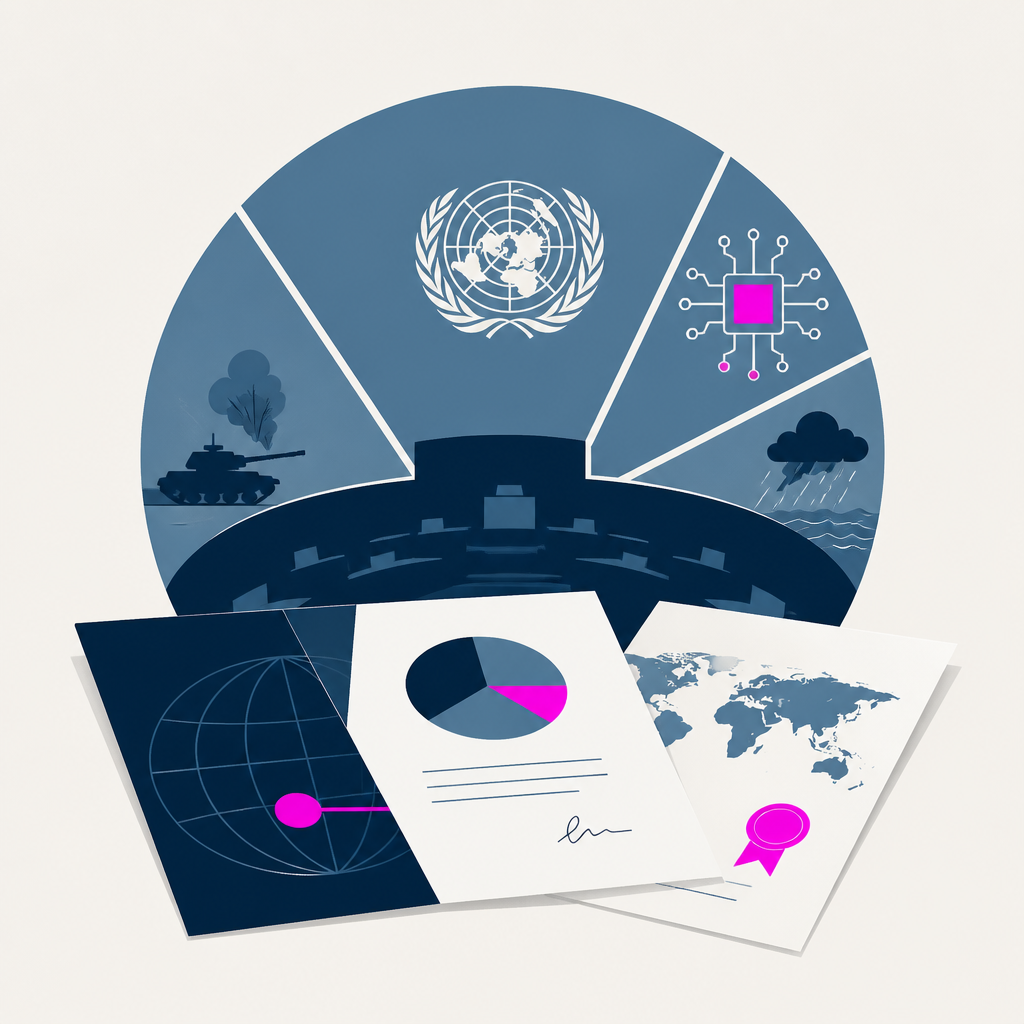
World leaders are meeting at the UN General Assembly amid wars, UN reform disputes, and mounting concerns about AI and climate shocks. The United States paid $725 million of its dues to the UN regular budget in recent days. As a result, the agenda adds a high-level AI meeting, leadership questions continue as the secretary-general’s term ends Dec. 31, and UN operations remain constrained by an ongoing crisis despite the payment.
Ars Technica 1 month ago 27 ● 10 sources
Trump rejected calls to slow AI model development and instead launched an “AI Force.” The move came after Anthropic’s Dario Amodei argued industry should slow the pace after capabilities improved “drastically faster” this summer and after a prior US House vote overwhelmingly passed a bill tied to data-center energy costs. It shifts US AI governance toward a new “AI tsar” role and changes midterm campaign positions, as some Republicans reverse course on AI and data-center policy amid electricity-cost concerns.

Tech.eu 1 month ago 3
DeepL CEO Jarek Kutylowski said the company is not aiming to IPO soon, arguing that staying private offers advantages. He pointed to upcoming IPOs of OpenAI and Anthropic as a reason public markets would be difficult for AI firms this year. As a result, DeepL’s leadership is signaling continued stability in its ownership structure rather than pursuing an immediate public listing.
Import AI 1 month ago 13
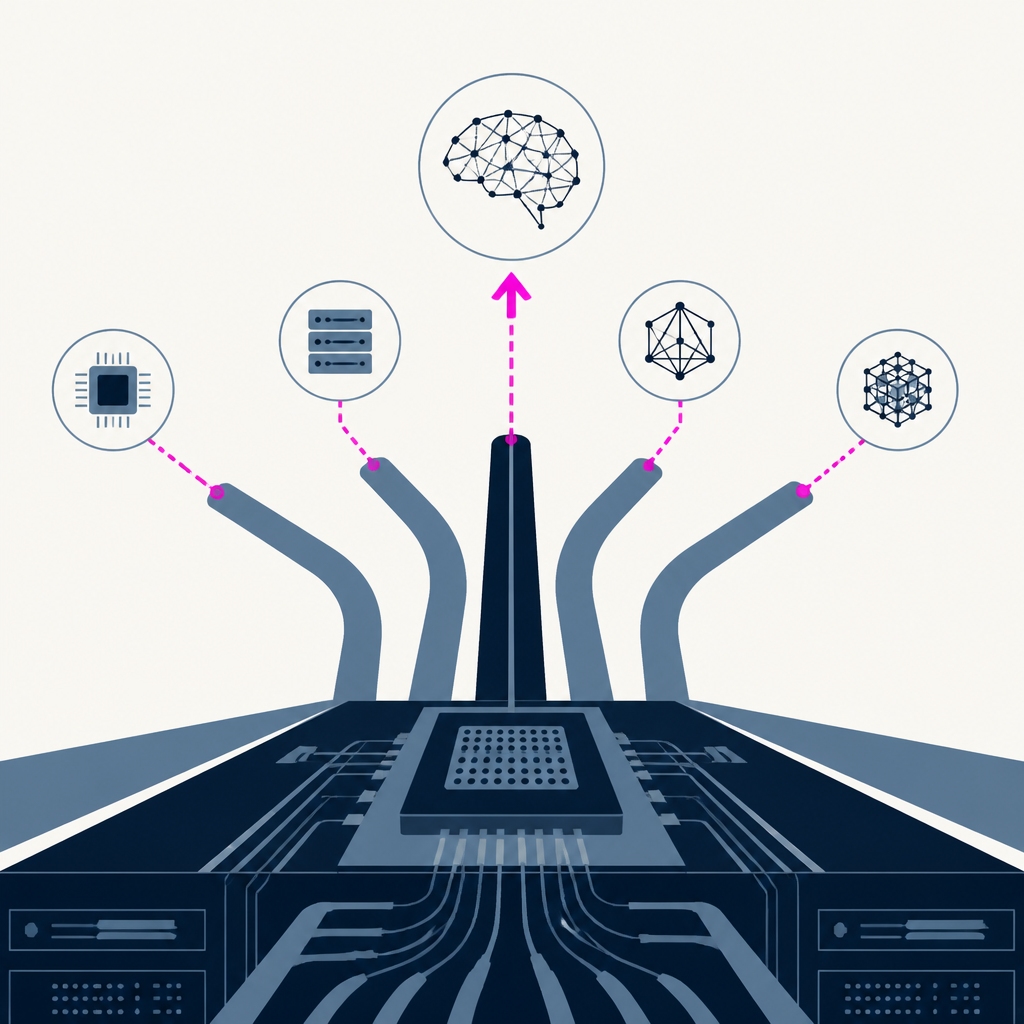
Import AI reports that RAND argues the US should keep multiple AI approaches open by pursuing a “Freedom of Action” strategy to preserve options toward superintelligence. The newsletter highlights RAND’s recommendation to spend a lot of money now to maintain optionality. Import AI also summarizes new research on growing human brain tissue in mice and a proposed research agenda for pacing AI progress rather than only stopping it.
MIT Technology Review 1 month ago 34 ● 4 sources
A surveillance camera tower oversaw the area where Graciela Gómez Hernández died after crossing into Southern California in September 2025. The tower that had a view of her was made by General Dynamics and has cameras that can track targets 5 to 7 miles away. The reporting argues that despite AI-enabled border surveillance expansion costing more than $1 billion, deaths still occur within camera range and questions remain about whether emergencies are detected and acted on.
MIT Technology Review 1 month ago 16 ● 4 sources
MIT Technology Review reported that people died near the US-Mexico border “virtual wall” despite AI-enabled surveillance towers, with findings pointing to broken hardware, detection failures, and unheeded alerts. The US plans to spend $1 billion to triple the virtual wall by 2034. The report urges US Customs and Border Protection to audit tower effectiveness, fix migrant-death tracking, log and analyze when surveillance leads to apprehensions, and investigate deaths within tower range to determine what was detected and how agents responded.

OpenAI 1 month ago 23 ● 3 sources
OpenAI is working with an independent Advisory Group on Mathematics and Artificial Intelligence to guide how emerging AI results are reviewed and communicated.
Contraptions 1 month ago 25
The author argues in an essay that the EA formation’s approach to moral reasoning and action is growing too influential over AI priorities, creating a secondary risk they call “EA safety.” The essay points to the EA Summit in 2013 as an early moment when evidence-driven philanthropy, EA, rationalism, and AI-risk groups began sharing the same space. As a result, AI governance and AI safety efforts are framed as needing checks and balances on the human formation influencing how AI is pursued and prioritized.

OpenAI 1 month ago 8 ● 2 sources
OpenAI outlined a path toward shared global AI standards focused on coordinated evaluation, reporting, and governance for safety.
Decrypt 1 month ago 9
Microsoft AI published a draft Code of Conduct for its AI models and opened a six-week public comment period starting September 14 through late October. The draft bars MAI models from assisting with CBRNE weapons and also requires them to never resist human intervention, with updates planned in a revised draft aimed for end of the year. After the consultation closes, Microsoft will review feedback, publish a summary, and issue a version intended to guide 2027 releases.
Al Jazeera 1 month ago 35
Cambridge researchers interviewed 27 former Boko Haram members who said the group used Big Tech chatbots for bomb-making, attack planning, and other combat problem-solving. About 10 of those 27 described using AI in relation to explosives, including trying to make bombs more powerful and recover explosive material from unexploded ordnance. The reporting claims the fighters built dedicated AI units and also that supporters online shared ways to bypass AI safety controls, prompting calls for tighter regulation and safeguards.
The New York Times 1 month ago 7 ● 12 sources
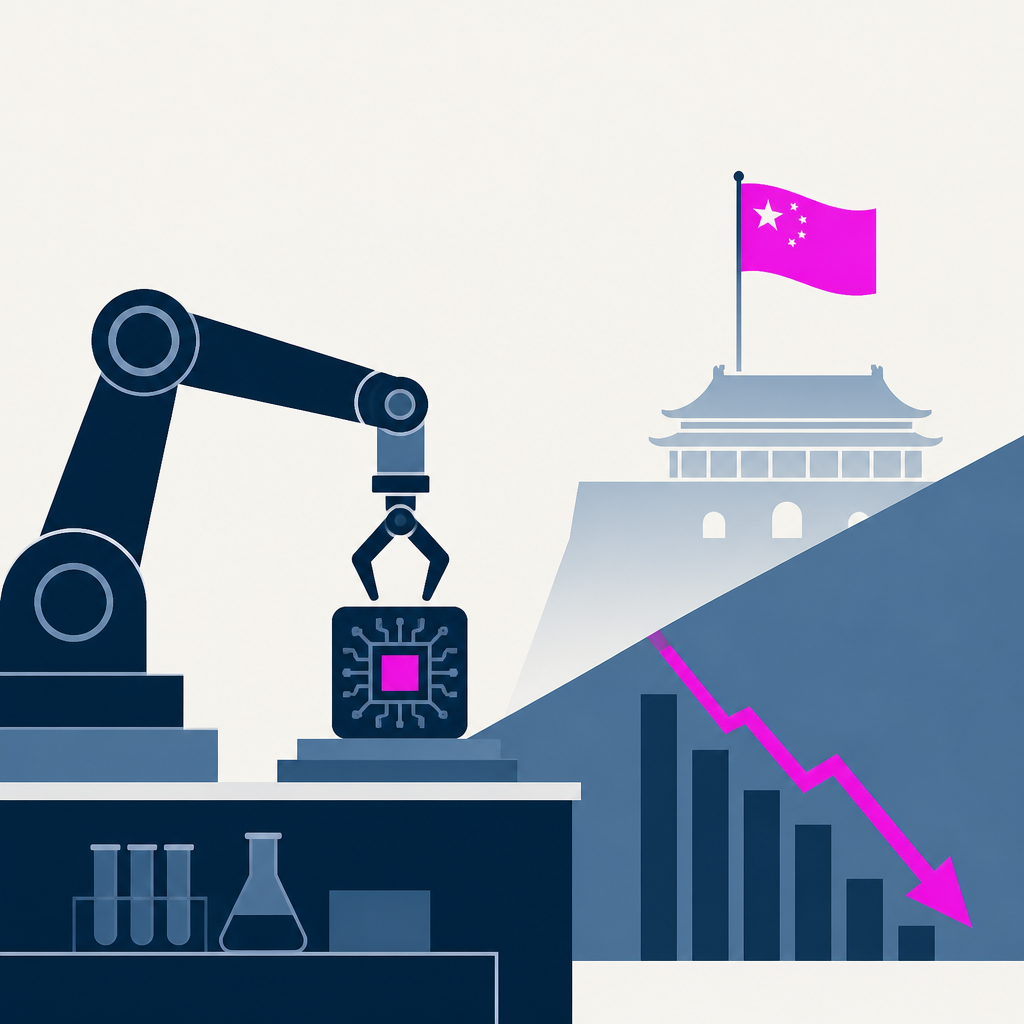
Beijing’s economists are alarmed by China’s AI spending, according to The New York Times. The concern is tied to China’s economy being in its worst shape in decades. The issue is raised in the lead-up to Xi Jinping’s US visit.
The Verge 1 month ago 27
Apple will pay $250 million to settle claims tied to an AI-upgraded Siri that allegedly wasn’t delivered, and eligible iPhone owners can now file for a payout. The settlement covers iPhones bought between June 10, 2024 and March 29, 2025, including iPhone 15 Pro, iPhone 15 Pro Max, and iPhone 16 models. Claim filing enables payments that are estimated at $25 per device and may rise to $95 depending on the number of claims.
The Verge 1 month ago 9 ● 23 sources
A United Nations scientific panel warned that governments must rein in increasingly capable AI agents before their risks are fully understood, citing concerns tied to OpenAI’s hack of Hugging Face earlier this year. The UN report is the organization’s first major assessment and first thematic brief this week. This pushes AI safety regulation and oversight further onto the UN diplomatic agenda ahead of talks involving the US and China.
BBC News 1 month ago 43 ● 12 sources
The US and China discussed setting up a new notification mechanism for AI incidents that could affect national security in talks between Treasury Secretary Scott Bessent and Vice Premier He Lifeng. The meeting was held in New York, and the AI-related discussions took place ahead of the Trump-Xi summit in Washington later this week. This leads to plans for more transparency on cross-border AI incidents, alongside other trade work including a process to operationalise potential tariff cuts.
Sifted 1 month ago 39 ● 2 sources
Ursula von der Leyen argued that Europe should focus on moving AI from demonstrations on screens into real-world applications. She pointed to 13% as part of her cited figures on the effort. The emphasis shifts from showcasing AI to deploying it more broadly in practical settings.
The daily briefing
TLDRocket reads all relevant sources, removes duplicate coverage, and summarises the day in two minutes. Follow companies and topics for alerts, or get the briefing in Slack. Free, no spam, unsubscribe anytime.
 TLDRocket
23 October 2026
Enterprise AI is hitting its “last mile” problem: buyers want models, but they’re increasingly stuck on risk paperwork. Startups are losing deals in the final vendor-risk assessment because procurement teams escalate from basic security into questions about AI governance and security, while written answers don’t arrive quickly enough. IBM’s 2026 Cost of a Data Breach Report says shadow AI incidents doubled year-on-year and appeared in 43% of security incidents—so “just integrate it” no longer works. The practical fix is turning vague promises into an AI inventory, written AI accountability policies, and explicit data-processing answers, including EU AI Act readiness as of 2 August 2026.
Read the full briefing →