Virgil Miller, president of Aflac, argues that people should use AI to support healthcare decisions but not replace physician care or in-person screening. The article cites a study that found 76% of Gen Z and 63% of millennials use AI as their first source for primary healthcare before seeing a doctor. It shifts the message from getting medical information from AI toward taking action with doctors, screenings, and trusted encouragement to close the gap in delayed care.
IVEX raised a €5M Series A to bring its car safety-testing AI platform to the US and Asia. The platform cuts a single batch footage review from 400 hours to eight hours, with engineers supervising each result. As a result, IVEX plans to expand coverage of NCAP protocols and build regulatory and commercial presence in North America and Asia.
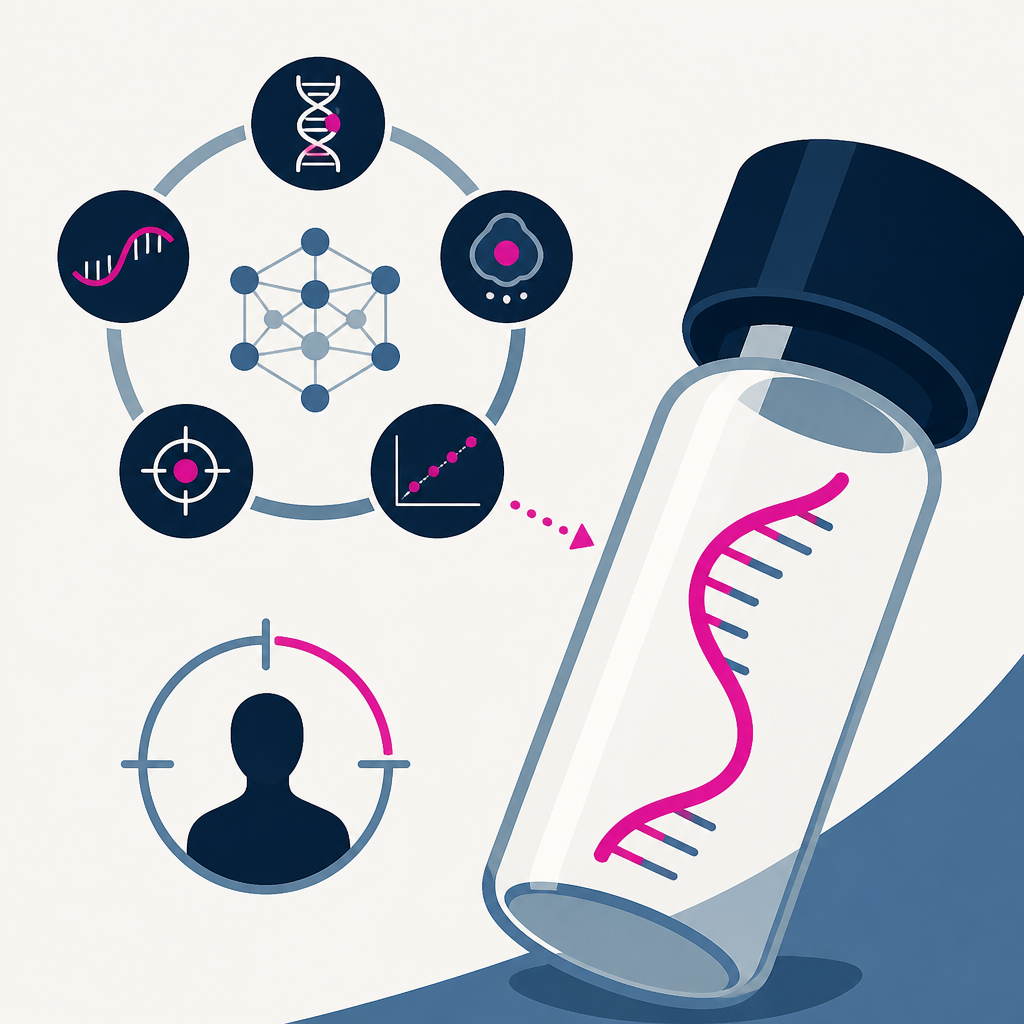
Genome language models were used to support a cancer-vaccine design workflow covering mutation identification, antigen presentation and immunogenicity prediction, target ranking, and RNA design. The approach is presented as a test of whether the models can design a vaccine for one human being. As a result, cancer-vaccine development is framed around evaluating AI’s ability to apply biology knowledge to personalized medicine.
Britain’s medicines and medical device watchdog, the MHRA, published 44 recommendations for how the UK should regulate AI products used in NHS and other healthcare settings. The report was based on input from more than 12,000 people. The proposals would add ongoing monitoring with possible withdrawal if performance slips, require clearer disclosure to patients, allow penalties for developers, and introduce supervised trials for new AI models via an “L plate” approach.
Every AI story that matters,
in your inbox by 8am.
TLDRocket reads all relevant sources, removes duplicate coverage, and summarises the
day in two minutes. Follow companies and topics for alerts, or get the
briefing in Slack. Free, no spam, unsubscribe anytime.
Reading TLDRocket needs no cookies, and the readership counts we rely on come from
our own cookieless analytics. Google Analytics is the exception: it sets cookies and
reports to Google, so it stays switched off until you allow it. You can change your
mind any time from “Cookie settings” in the footer.
Strictly necessary
Session security and form protection (tldrocket-session,
XSRF-TOKEN, 2 hours). The site cannot work without them,
so they need no consent.
Always on
Google Analytics 4 (_ga,
_ga_<id>, up to 2 years). Measures which
stories and sections readers use. Google acts as a third-party processor and may
store the data outside the EU. No advertising, no profiling, no data sold.