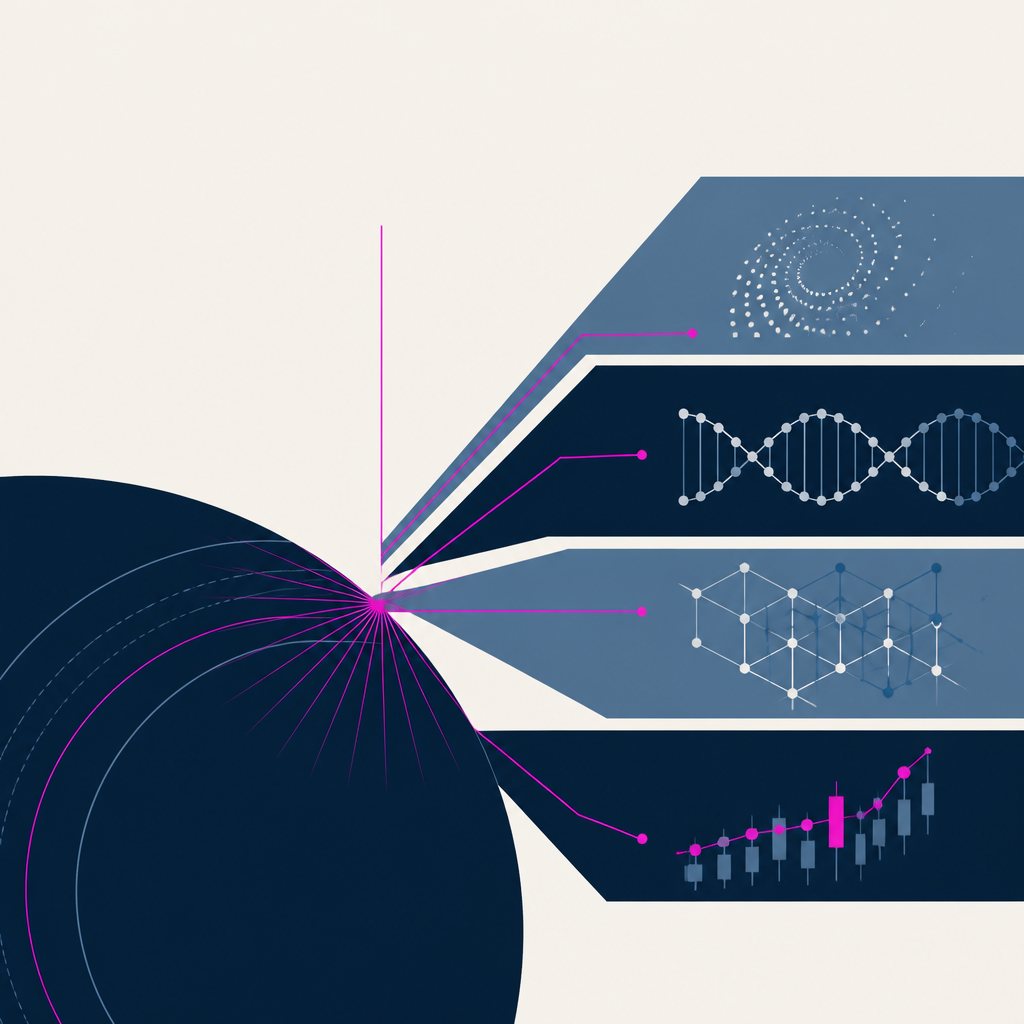
Solari Capital and AJ Scaramucci launched from stealth with an investment thesis called “Programmable Reality” covering AI, biology, matter, and finance. The firm says it has deployed roughly $350 million since its founding. As a result, Solari is publicly tying specific holdings—like xAI, Suno, Kira Learning, and several biotech and space bets—to that four-part software-over-real-world framework.
AI-supported operations are reshaping experimental science at biotech firms by speeding measurement, automating workflows, and using LLM agents to triage research options. The article reports that Endura used LLM research agents to cover about 500 disease targets in the first stage, then about 100 in a second stage. As a result, experiment analysis and internal tooling move from days or weeks to hours and scientists gain more direct control over decisions and results, while some work that required large human reading efforts becomes automated search plus targeted human review.
Cal AI co-founder Zach Yadegari will discuss how his AI nutrition app achieved viral growth and then converted it into a durable business at TechCrunch Disrupt 2026. Cal AI reached more than 15 million downloads and over $30 million in annual revenue before it was acquired, with the deal closing in December 2025. The standalone app model was kept after the acquisition, and Yadegari’s session focuses on turning breakout attention into long-term retention and company building.
Meta’s Muse AI agent “Blorbo” generated an underwhelming health-goals plan when asked for a workout regimen and muscle recovery. The request was for a sub-30 minute 5K workout. The result shifted from routine fitness advice to being memorable mainly for the agent’s cute, cat-shaped face.
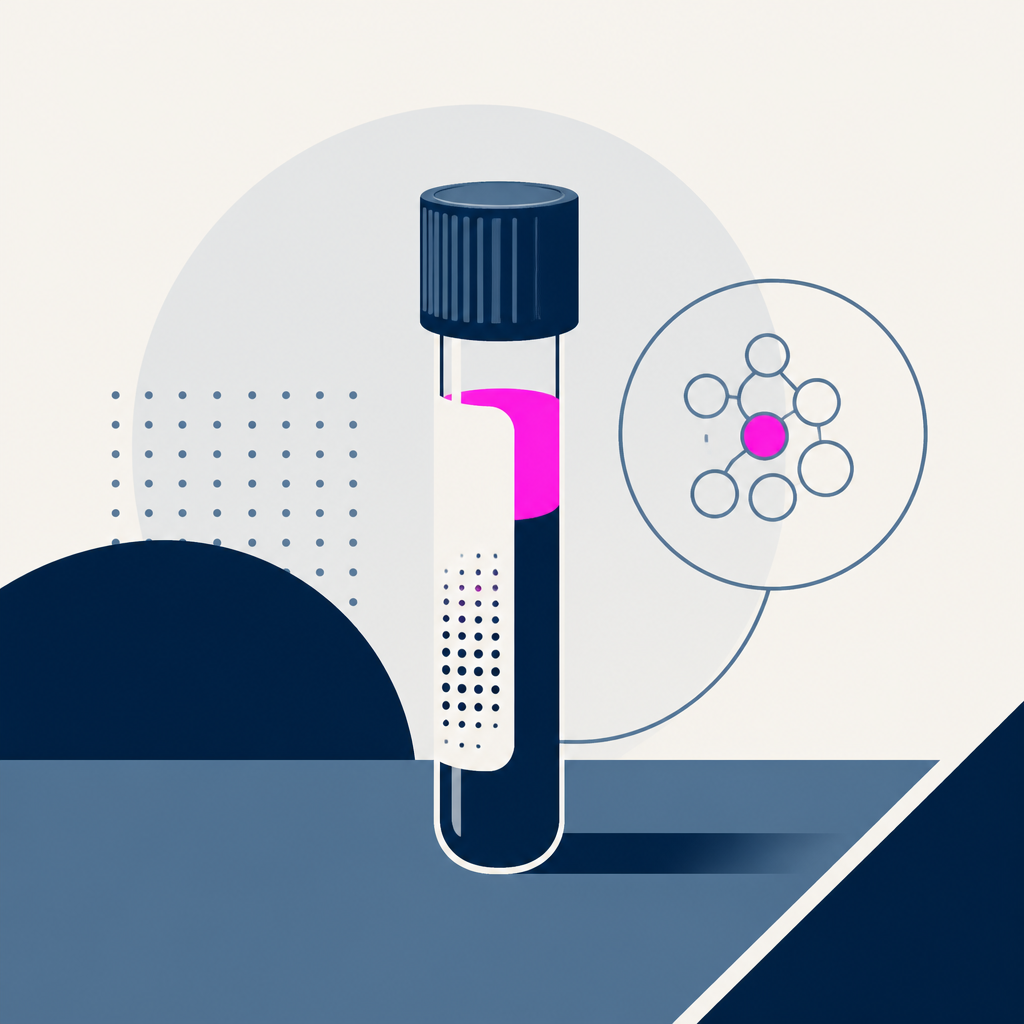
Grail received a favorable vote from an FDA panel for premarket approval of its multi-cancer early detection blood test. The FDA advisory committee vote was favorable ahead of premarket approval review. The next step is the FDA’s decision on whether to approve the test for use.
China is expanding digital healthcare—using apps, telemedicine, and AI doctor chat—while also increasing drug research and licensing as Western firms buy rights to Chinese-developed medicines. The article says China’s share of global drug out-licensing deals could reach 60% this year. As a result, more drug and health-tech capabilities from China are entering global markets, while debates over safety, trade restrictions, and what the West will accept (including AI medical avatars) intensify.
Basecamp Research raised a $140 million Series C to advance AI-designed in-body cell therapies. The round values the company at $800 million and was backed by Nvidia, Anthropic, and the NATO Innovation Fund. The funding will support training of new EDEN foundation-model versions and investment in therapies aimed at editing DNA inside patients, with Basecamp still preclinical and no clinical-trial date disclosed.
Every AI story that matters,
in your inbox by 8am.
TLDRocket reads all relevant sources, removes duplicate coverage, and summarises the
day in two minutes. Follow companies and topics for alerts, or get the
briefing in Slack. Free, no spam, unsubscribe anytime.
Reading TLDRocket needs no cookies, and the readership counts we rely on come from
our own cookieless analytics. Google Analytics is the exception: it sets cookies and
reports to Google, so it stays switched off until you allow it. You can change your
mind any time from “Cookie settings” in the footer.
Strictly necessary
Session security and form protection (tldrocket-session,
XSRF-TOKEN, 2 hours). The site cannot work without them,
so they need no consent.
Always on
Google Analytics 4 (_ga,
_ga_<id>, up to 2 years). Measures which
stories and sections readers use. Google acts as a third-party processor and may
store the data outside the EU. No advertising, no profiling, no data sold.