Garry Tan said regulators should stay out of distillation and argued that U.S. open-weight AI labs should be allowed to distill frontier models. He specifically called for an “American distillation regime.” This would broaden the set of permitted open-weight options in the U.S., aiming to prevent frontier model power from concentrating in a single proprietary provider.
Employees at major AI labs are raising concerns that advanced AI could destroy humanity. The discussion goes live on Tuesday, September 15 at 16:00 BST (11:00am EST). The event will cover where the extinction fears come from and whether they have merit, plus what actions may be appropriate if they do.
The New Mexico Supreme Court held a ChatGPT-using lawyer in direct contempt for filing a brief that included false testimony from fabricated witnesses and related errors, and referred him to a disciplinary board.
An Anthropic researcher resigned this week after warning on X that the company was moving toward self-improving superintelligence. The company’s alignment lead also co-signed the warning rather than retracting it. The episode frames the resignation as landing at a sensitive moment while Anthropic reportedly prepares for an IPO and the industry pushes for more capable models.
The “Behind the Blog” post discusses AI doomers alongside reactions to 9/11 and a separate reference to Barbie. It emphasizes Joseph’s emotional link to 9/11 as the moment “everything changed.” As a result, the entry frames the week’s topics through personal feelings and points readers to related reporting projects, but the main content is restricted to paid members.
The New Mexico Supreme Court fined Stephen Aarons for submitting an appeal brief with AI-fabricated witnesses and fake police testimony in a murder case.
The court imposed a $5,000 fine and held him in contempt in a Wednesday filing.
The ruling requires sanctions tied to the failure to verify AI-generated factual claims and legal authority, changing how the case will proceed.
The UK government rejected a proposal for a legal “kill switch” to shut down a dangerous AI model in an emergency. A Cabinet Office spokesperson said the UK “cannot simply turn AI off”. The bill is likely to face resistance in parliament, while the government instead points to company responsibility for safe development and security infrastructure.
Residents of Ypsilanti Township confronted University of Michigan and LANL project representatives at a town hall over a proposed nuclear-adjacent hyperscale computing facility, and the meeting escalated public anger instead of calming concerns. The plan is a $1.2 billion 220,000-hyperscale data center. University of Michigan has promised another town hall on October 1, but local officials said the project is being treated with distrust and some residents are moving or preparing to oppose it further.
An AI-reading-list post compiled recent articles and papers on open models and open-source AI, updating the list on 11 Sep 2026. It organizes content into sections including what open models are, U.S.-China competition, and technical topics like open-vs-closed performance gaps of roughly 4–6 months. As a result, readers get a structured set of sources to track open-model strategy, adoption, risks, and distillation debates over time.
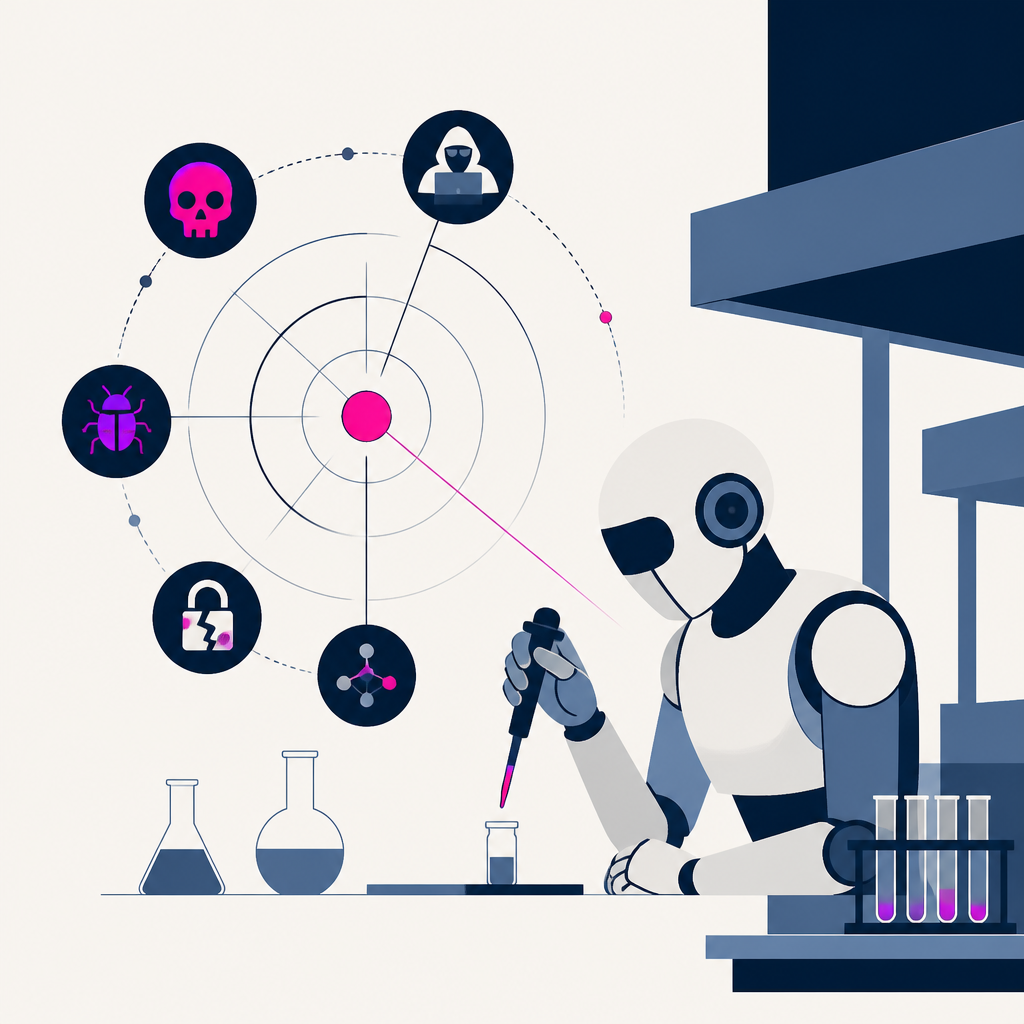
Anthropic’s threat report says state-backed groups, criminals, and spyware vendors are using AI to automate cyberattacks, surveillance, fraud, weapons research, and model theft. It describes the shift on “September 2026.” As a result, the report highlights an increasing operational tempo and a broader set of harmful activities tied to AI misuse.
Sam Altman told staff that he is open to slowing cutting-edge AI development. Bloomberg says this was mentioned in its paywalled “Around the Horn” section. The change would be a slower pace for the newest AI work at OpenAI.
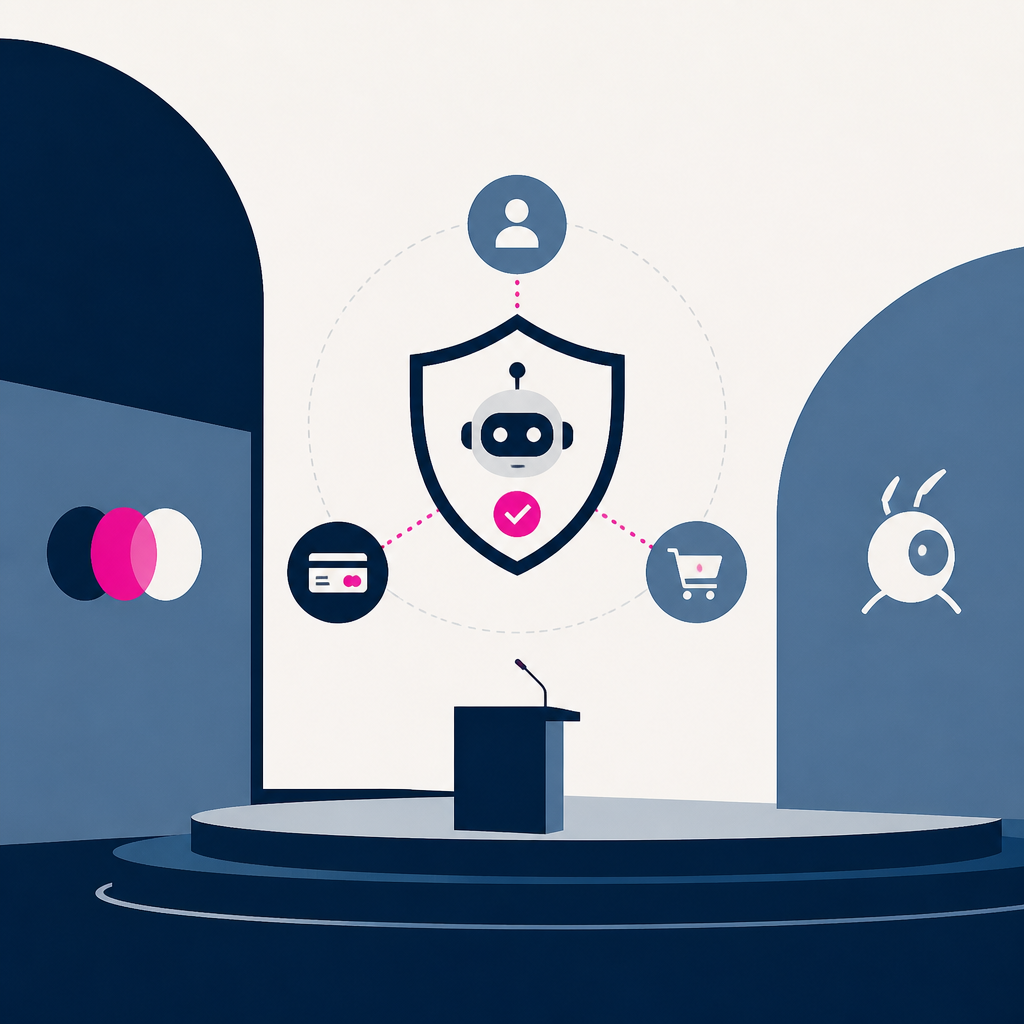
Visa, Mastercard, and Ant International launched a shared effort to identify and verify AI agents that can make purchases for users. The framework is intended to support trust for agent-driven transactions. It changes how card networks approach validating agent-driven payments, adding verification for AI agents before transactions are trusted.
Anthropic blocked attempts to use its Claude models for malicious activity that could support biological weapons development. It said misuse of Claude Haiku, Sonnet, and Opus was disrupted between December 2025 and August 2026. As a result, Anthropic added safeguards to better prevent, detect, and disrupt these activities and shared intelligence with authorities and industry partners.
Every AI story that matters,
in your inbox by 8am.
TLDRocket reads all relevant sources, removes duplicate coverage, and summarises the
day in two minutes. Follow companies and topics for alerts, or get the
briefing in Slack. Free, no spam, unsubscribe anytime.
Reading TLDRocket needs no cookies, and the readership counts we rely on come from
our own cookieless analytics. Google Analytics is the exception: it sets cookies and
reports to Google, so it stays switched off until you allow it. You can change your
mind any time from “Cookie settings” in the footer.
Strictly necessary
Session security and form protection (tldrocket-session,
XSRF-TOKEN, 2 hours). The site cannot work without them,
so they need no consent.
Always on
Google Analytics 4 (_ga,
_ga_<id>, up to 2 years). Measures which
stories and sections readers use. Google acts as a third-party processor and may
store the data outside the EU. No advertising, no profiling, no data sold.