Redis launched LangCache, a managed semantic caching service that matches prompts by meaning and returns stored LLM responses without making a new model call on a cache hit. LangCache reports up to 90% lower LLM API costs and cache-hit responses up to 15x faster, with a demo showing 0.37 seconds vs 2.232 seconds for a paraphrased query. Applications can replace per-request LLM calls with a REST two-step loop (search before calling, store after misses), changing latency and spending by shifting cost mainly to avoided output tokens while requiring tuned thresholds and TTL/monitoring to prevent incorrect matches.
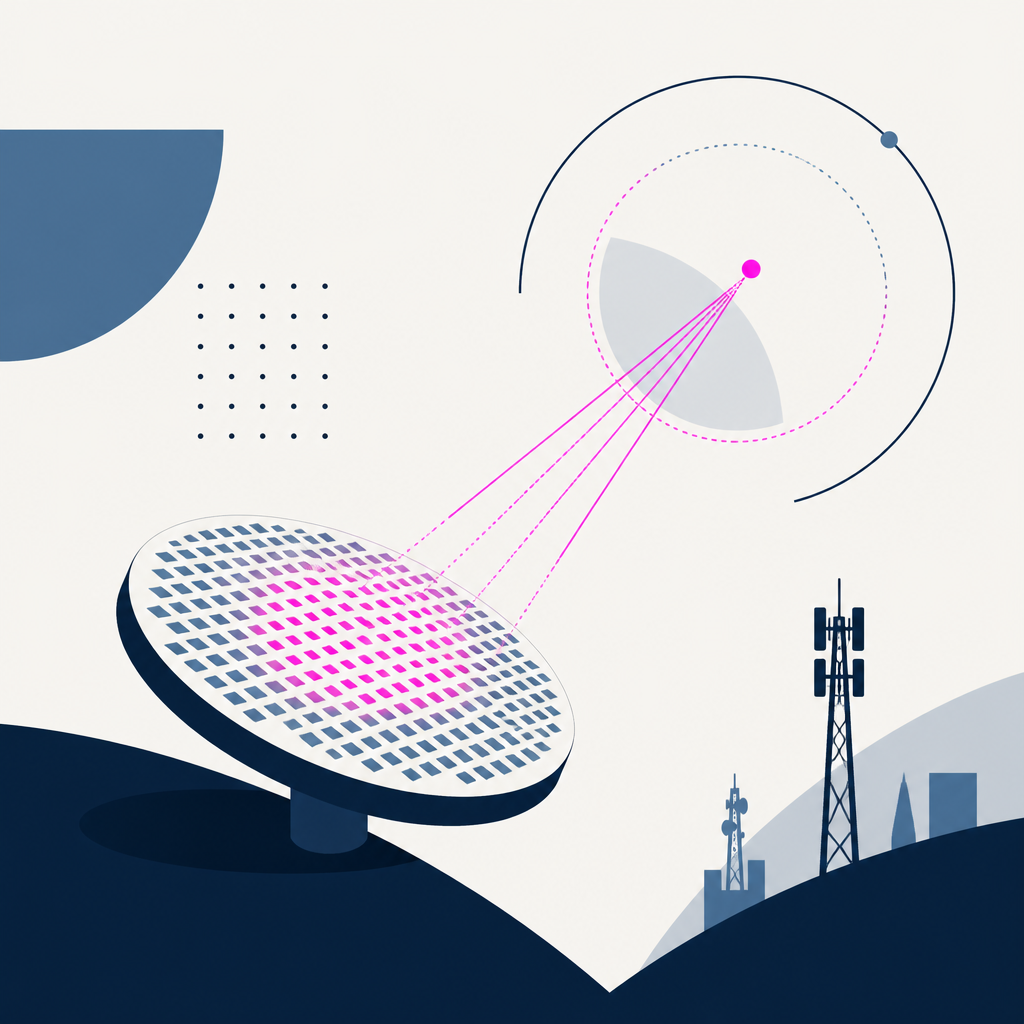
KVector, a University of Birmingham spinout, raised funding to commercialise super-efficient antenna technology aimed at steering signals without thousands of individually controlled components. The company secured £3.8m, alongside an Innovate UK grant of £950,000, to support recruitment and development of radar and communications products with defence-sector partners. The raise speeds up product development and expands KVector’s team while it continues operating in stealth around specific partners and applications.
Together’s kernels team gained access to the NVIDIA Vera Rubin NVL72 platform and updated ThunderKittens to run NVFP4 and FP8 GEMMs on it by adding Rubin-specific ISA and memory/pipeline features. The NVFP4 GEMM kernels improve from about 42.1% of the roofline to over 22 PFLOPS. These changes increase attainable performance by doubling the K step, expanding tensor memory and shared memory use, and adjusting tiling and commit/collector behaviors so tensor cores stay fed.
Every AI story that matters,
in your inbox by 8am.
TLDRocket reads all relevant sources, removes duplicate coverage, and summarises the
day in two minutes. Follow companies and topics for alerts, or get the
briefing in Slack. Free, no spam, unsubscribe anytime.
Reading TLDRocket needs no cookies, and the readership counts we rely on come from
our own cookieless analytics. Google Analytics is the exception: it sets cookies and
reports to Google, so it stays switched off until you allow it. You can change your
mind any time from “Cookie settings” in the footer.
Strictly necessary
Session security and form protection (tldrocket-session,
XSRF-TOKEN, 2 hours). The site cannot work without them,
so they need no consent.
Always on
Google Analytics 4 (_ga,
_ga_<id>, up to 2 years). Measures which
stories and sections readers use. Google acts as a third-party processor and may
store the data outside the EU. No advertising, no profiling, no data sold.