Teleport sponsored a post featuring a TikTok quote arguing that writing scripts with AI often sounds empty or unopinionated. The post points to 13 engineers who “pressure washed” a codebase with LLMs over 90 days, emphasizing quality over quantity for finding security vulnerabilities. This shifts attention from obvious AI writing tells to how style and substance (or the lack of them) affect perceived authorship and confidence.
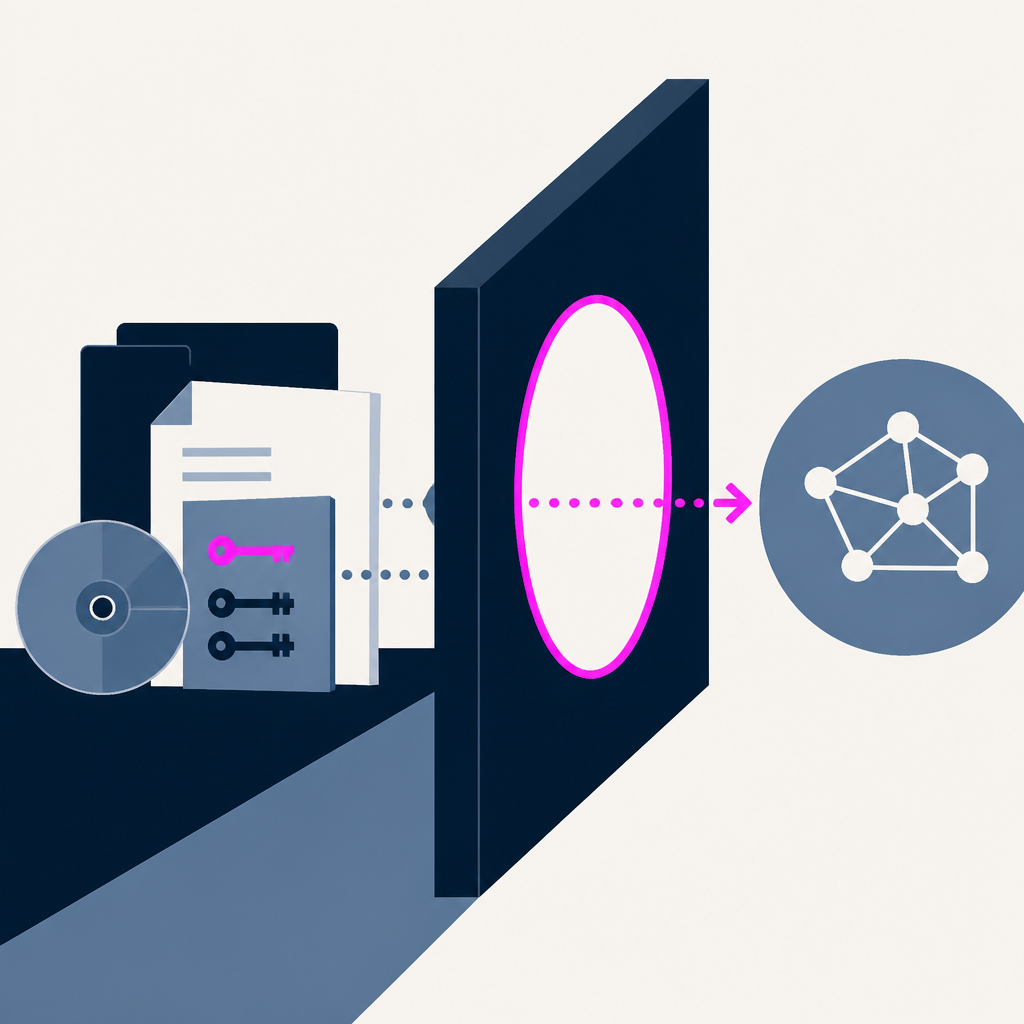
AI coding agents can read local files and other context, and that increases the chance that API keys or other credentials are included in prompts sent to external AI services. The article cites a 94-day median time to remediate leaked secrets found in GitHub repositories, arguing agent workflows need earlier detection before data crosses the local-to-external boundary. Organizations should treat agent context as an egress surface and add deterministic, pre-submission secrets scanning and blocking/redaction controls independent of LLM judgment.
xAI introduced Grok 4.7, a new model for coding and knowledge work, and benchmarked it against prior and competing systems. Grok 4.7 is priced starting at $2 per million input tokens and $6 per million output tokens. It adds a larger base model, longer reinforcement learning training, better self-verification and longer context handling, a new safeguard stack, and is offered in Cursor and Grok Build via API and third-party platforms.
Every AI story that matters,
in your inbox by 8am.
TLDRocket reads all relevant sources, removes duplicate coverage, and summarises the
day in two minutes. Follow companies and topics for alerts, or get the
briefing in Slack. Free, no spam, unsubscribe anytime.
Reading TLDRocket needs no cookies, and the readership counts we rely on come from
our own cookieless analytics. Google Analytics is the exception: it sets cookies and
reports to Google, so it stays switched off until you allow it. You can change your
mind any time from “Cookie settings” in the footer.
Strictly necessary
Session security and form protection (tldrocket-session,
XSRF-TOKEN, 2 hours). The site cannot work without them,
so they need no consent.
Always on
Google Analytics 4 (_ga,
_ga_<id>, up to 2 years). Measures which
stories and sections readers use. Google acts as a third-party processor and may
store the data outside the EU. No advertising, no profiling, no data sold.