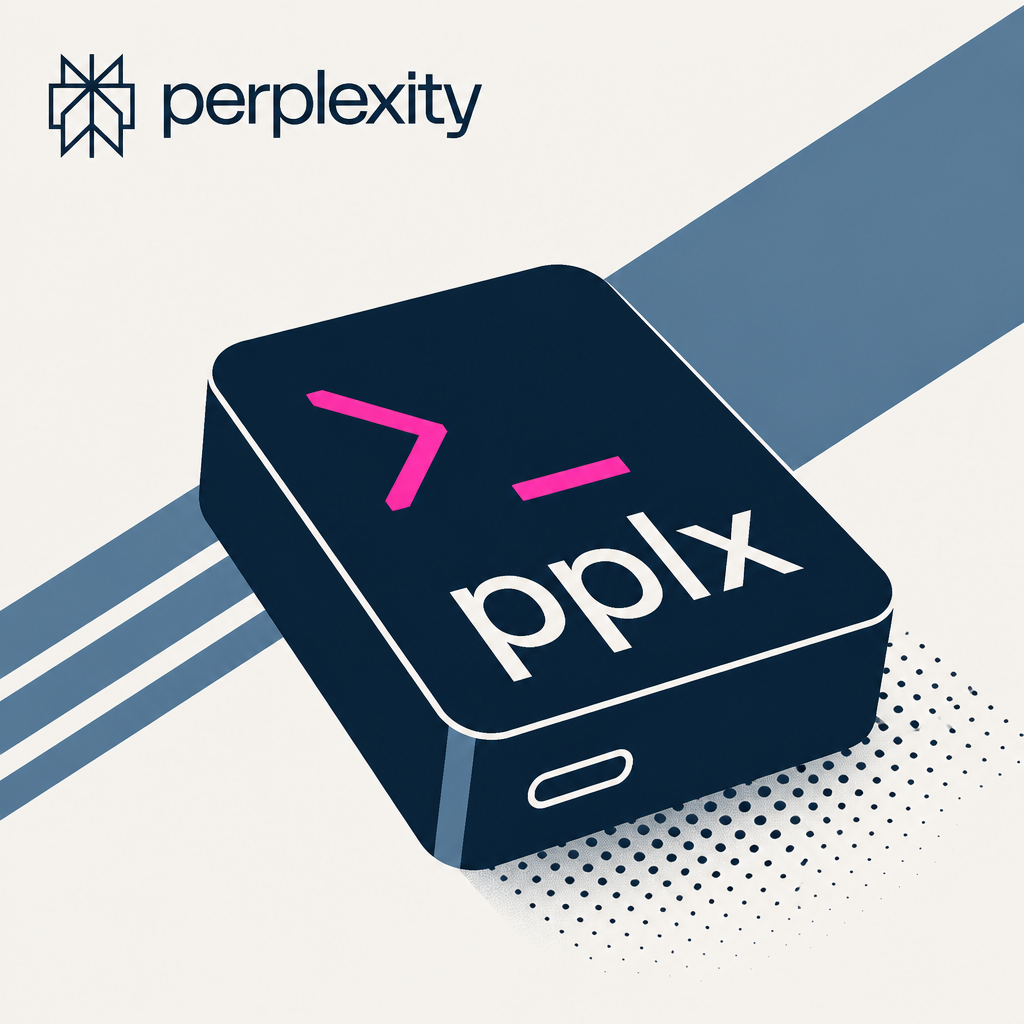
Perplexity released pplx, a command-line tool that provides programmatic access to its Search API and content-fetching capabilities for use by coding agents and humans. The tool costs $5 per 1,000 requests with a 50-queries-per-second rate limit and supports macOS on Apple Silicon, Linux x86_64, and Linux arm64. Developers can now integrate Perplexity's search and web-content extraction directly into automated workflows via JSON-based command outputs.
Epoch and METR released MirrorCode, a benchmark where AI systems reimplement large software programs through black-box access alone, with Claude Opus 4.7 completing a task in 14 hours that would take humans 2-17 weeks. AI models solved 17 of 25 target programs perfectly, with successful reimplementations of programs ranging from 16,000 to 61,000 lines of code across multiple programming languages. This demonstrates that advanced AI can self-orient within unfamiliar environments and bootstrap capabilities by reverse-engineering existing systems, suggesting broader implications for AI agents learning and adapting to new domains.
Openbase introduced voice control capabilities for code editors, allowing developers to start coding sessions with Claude or Codex via voice and manage them from their phones. The system uses voice commands to dispatch tasks, route them to workspaces, and requires approval for sensitive actions like database resets before changes are deployed. Developers can now approve commands, review code diffs, and manage deployments without being physically at their desk.
Roboto Agents can now trace robot failures from logs directly to the responsible code and propose fixes, combining multimodal sensor data analysis with repository access through the MCP protocol. BRINC reduced complex flight failure diagnosis time from hours or days to minutes using the system. This enables faster root cause analysis by consolidating investigation work that previously required bouncing between support, engineering, and repository teams.
Every AI story that matters,
in your inbox by 8am.
TLDRocket reads all relevant sources, removes duplicate coverage, and summarises the
day in two minutes. Follow companies and topics for alerts, or get the
briefing in Slack. Free, no spam, unsubscribe anytime.
Reading TLDRocket needs no cookies, and the readership counts we rely on come from
our own cookieless analytics. Google Analytics is the exception: it sets cookies and
reports to Google, so it stays switched off until you allow it. You can change your
mind any time from “Cookie settings” in the footer.
Strictly necessary
Session security and form protection (tldrocket-session,
XSRF-TOKEN, 2 hours). The site cannot work without them,
so they need no consent.
Always on
Google Analytics 4 (_ga,
_ga_<id>, up to 2 years). Measures which
stories and sections readers use. Google acts as a third-party processor and may
store the data outside the EU. No advertising, no profiling, no data sold.