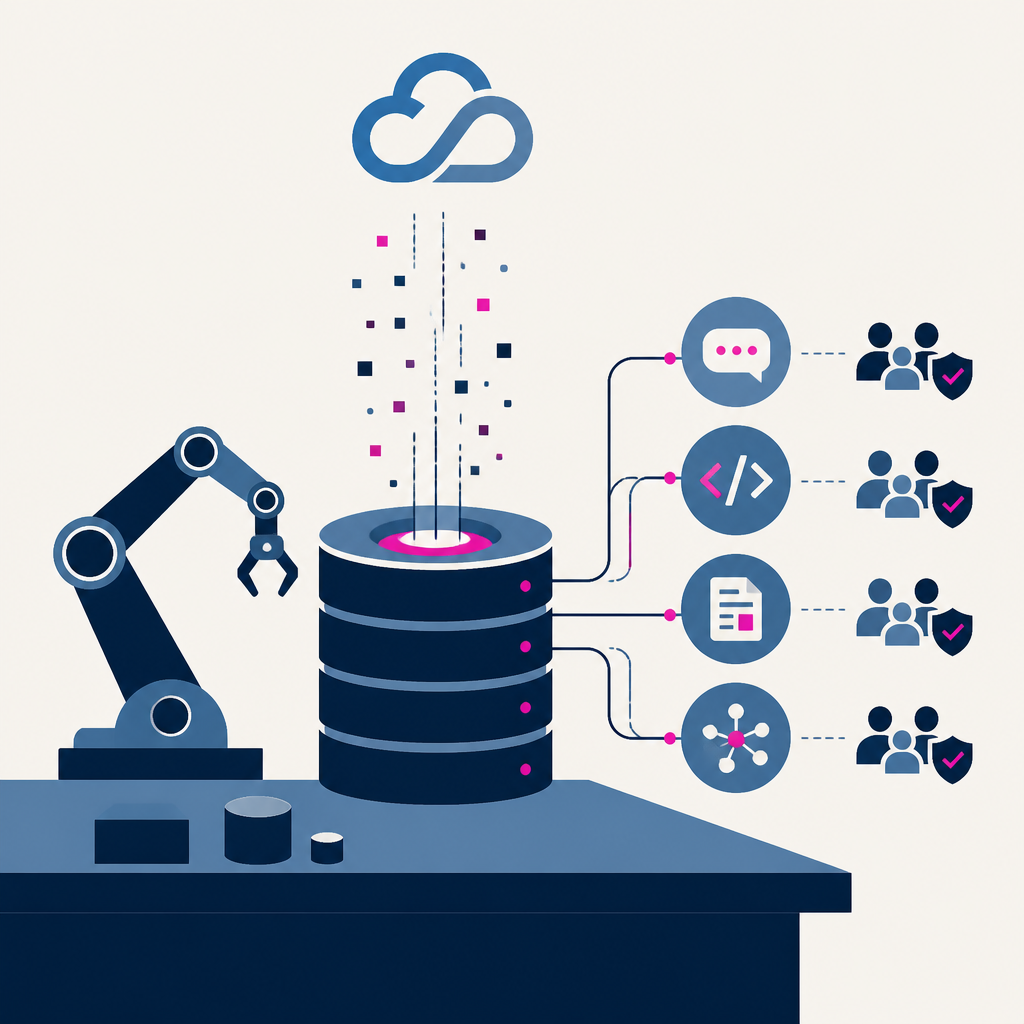
Tencent Cloud released TencentDB Agent Memory v2.0, an open-source memory system that lets AI coding agents share learnings across a team while maintaining access controls. The system distills conversations and code into four reusable asset types (Chat Memory, Skill, Wiki, CodeGraph) with multi-layer retrieval governed by permissions, supporting both Anthropic and OpenAI protocols through a proxy. Solo developers and small teams can deploy it immediately via Docker with MIT licensing, while large enterprises must pilot first since private repository features remain in development.
Simon Willison’s Weblog·2 months ago·
11
● 2 sources
A developer used Codex Desktop with GPT-5.6 Sol Ultra to generate a working browser-based raccoon heist game from a single prompt, producing a more complex version than Claude Fable 5 had created from the same premise. The GPT-5.6 Sol version took 52 minutes and featured raccoons stacking in a museum to steal a golden sardine, though it initially contained a bug with oversized eyeball spheres that required two follow-up prompts to fix. The developer published the full game, textures, and development transcript on GitHub, demonstrating how modern coding agents can build functional games from natural language descriptions despite occasional visual errors.
Meta launched Muse Code, a coding agent priced below Anthropic's Claude Code and OpenAI's Codex, at $1.25 per million input tokens and $4.25 per million output tokens for standard use. The cheapest tier costs more than 10 times less but requires developers to opt in to share their code and session data for model improvement. Engineering leaders are largely rejecting the offer, citing data privacy and intellectual property risks as non-negotiable, limiting Muse Code's appeal to open source and pet projects.
Coinbase, Shopify, and Ramp have each built internal coding agents for their developers but continue paying Anthropic for Claude and other frontier models, revealing that enterprises are taking ownership of the orchestration layer—the agent harness—rather than the underlying LLM. Shopify reports River participates in one out of every eight merged pull requests, while Coinbase reduced overall AI spending despite processing more tokens through intelligent routing, prompt caching, and model selection policies. This architectural pattern suggests the competitive advantage for enterprises is shifting from owning the model to controlling the execution environment, governance, and cost optimization layer that sits between developers and foundation models.
Apollo Research launched Watcher, a security platform that monitors and blocks dangerous actions by AI coding agents like Claude Code and Codex in real time across organizations. The system deploys policies via MDM, blocks risky operations during execution, and reviews sessions for incidents, with cloud and self-hosted deployment options available. Organizations gain centralized control over AI agent behavior, reducing the risk of breaches that cost an average of $6 million while maintaining developer velocity.
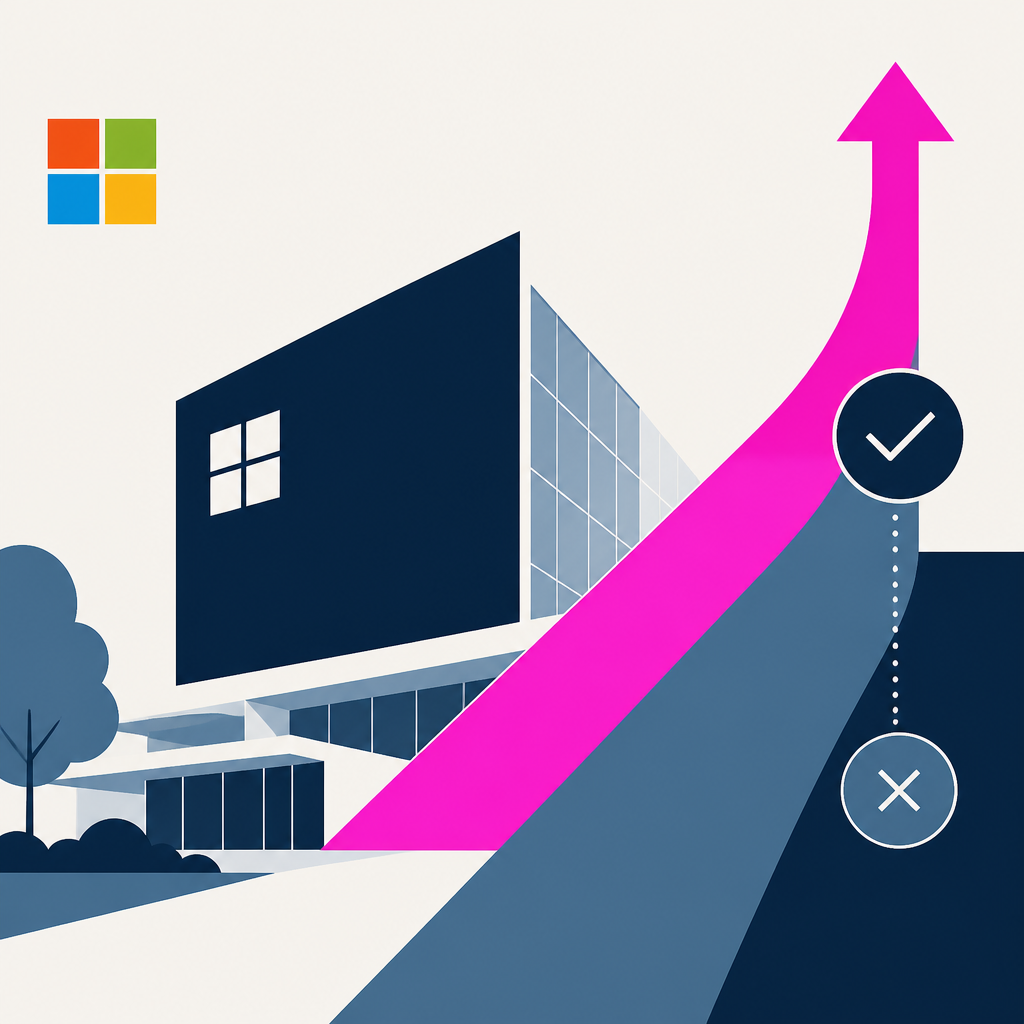
Microsoft open sourced code-testing-generator, a polyglot agent that writes unit tests by first analyzing the repository to understand framework and conventions, then planning and verifying the tests it creates. The agent achieved 92.1% task completion on an internal 152-task benchmark compared to 78.9% for stock GitHub Copilot using the same model. The improvement enables teams to fill gaps in test coverage across polyglot codebases without manual configuration or external dependencies.
Every AI story that matters,
in your inbox by 8am.
TLDRocket reads all relevant sources, removes duplicate coverage, and summarises the
day in two minutes. Follow companies and topics for alerts, or get the
briefing in Slack. Free, no spam, unsubscribe anytime.
Reading TLDRocket needs no cookies, and the readership counts we rely on come from
our own cookieless analytics. Google Analytics is the exception: it sets cookies and
reports to Google, so it stays switched off until you allow it. You can change your
mind any time from “Cookie settings” in the footer.
Strictly necessary
Session security and form protection (tldrocket-session,
XSRF-TOKEN, 2 hours). The site cannot work without them,
so they need no consent.
Always on
Google Analytics 4 (_ga,
_ga_<id>, up to 2 years). Measures which
stories and sections readers use. Google acts as a third-party processor and may
store the data outside the EU. No advertising, no profiling, no data sold.