TLDRocket
Sign in

AI Benchmarking

291 summarised stories about AI Benchmarking, each linking back to the original source. Browse all topics →

+ Follow this topic

Sunday, 30 August 2026

Lowest-Latency Inference APIs for Voice and Realtime Agents: A Time to First Token TTFT-First Benchmark

MarkTechPost 1 month ago 35

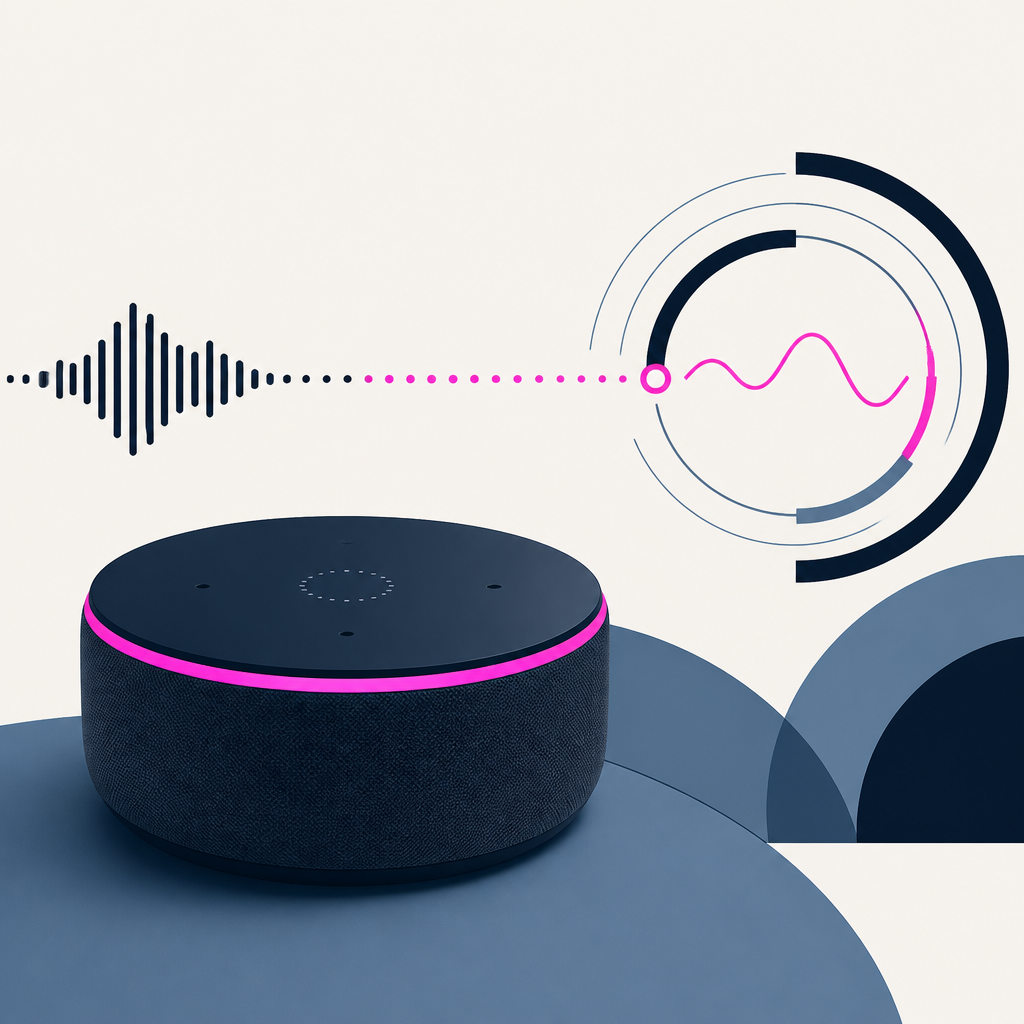
Voice-agent latency benchmarks based on time-to-first-token (TTFT) and related measures are published across the full voice stack, including LLMs, speech-to-text, text-to-speech, and speech-to-speech. The practical voice-to-voice target is about 700ms of TTFT budget within a 700ms to 1.2s end-to-end turn. Providers and teams are encouraged to separate generation-start latency (TTFT) from first-sentence completion (TTFS) and treat vendor timing definitions, workload settings, and warm-start behavior as the deciding factors instead of a single TTFT figure.
Google AI Introduces EnvHarness: A Programmable Layer That Turns Static Agent Environments Into Adaptive Training Worlds

MarkTechPost 1 month ago 23

Google AI researchers released EnvHarness, a programmable wrapper that converts static agent benchmarks into adaptive training environments without changing the underlying simulator or human-built verifiers. It reports up to a 9.0-point gain on held-out tasks and 9.8% fewer execution steps across five benchmarks. Skills mined this way improve when the same reset/step-based interfaces are used, and the release provides Apache-2.0 Python plus drivers for six environments while requiring resettable environments.

Meet ‘Code-as-World’: An Agentic Loop That Rewrites Real Videos Into Executable MuJoCo Physics Programs

MarkTechPost 1 month ago 33

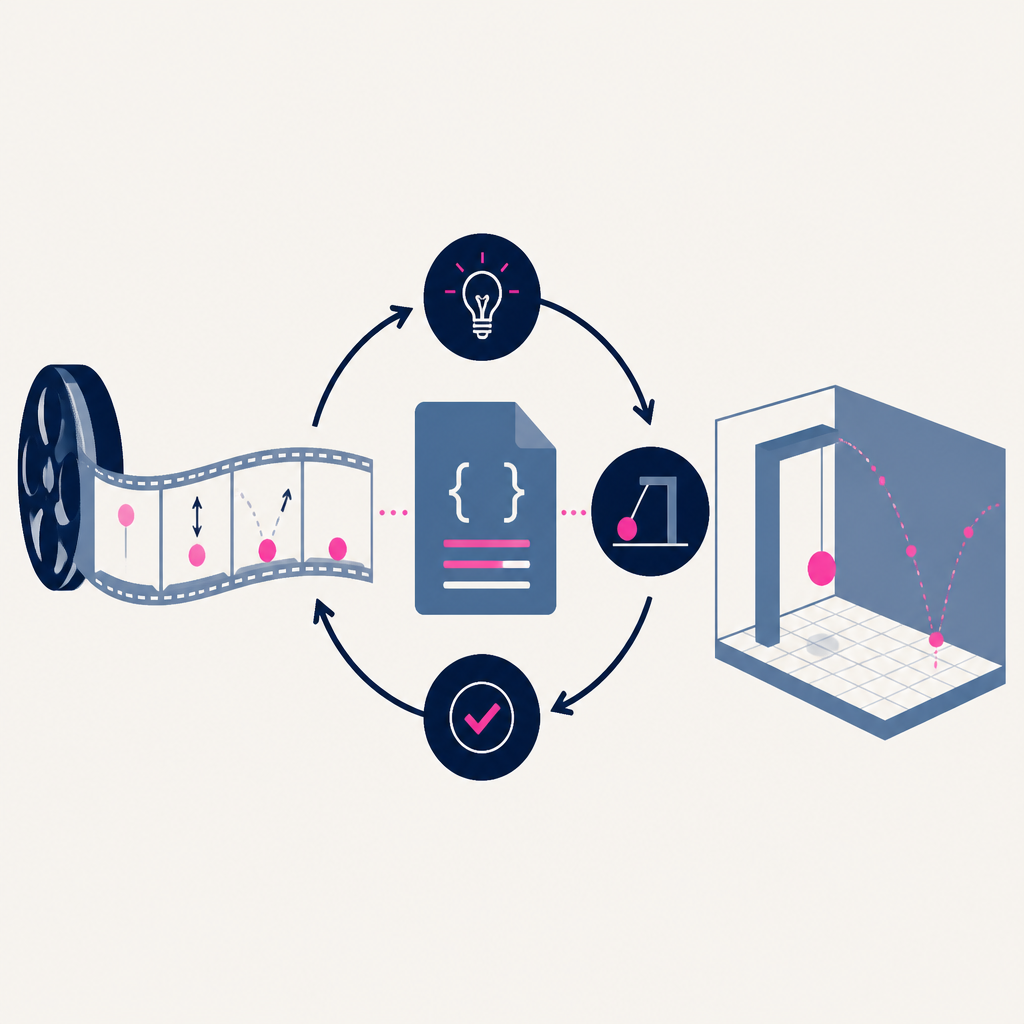
MirroS released Code-as-World, a method that converts real videos into executable MuJoCo physics programs by fitting an editable scene.json rather than predicting pixels, latents, or captions. The agentic propose→execute→verify loop recovers those programs in up to 5 rounds and Code-as-World-VL-9B scores 55.4 MRA on QuantiPhy-validation (above Gemini-3.1 Flash at 54.8). Verified worlds produced by this loop become training supervision with exact physical labels, and MirroS shipped Apache 2.0 code plus 4B and 9B checkpoints with an OpenAI-compatible /v1 vLLM endpoint for internal research use.

The daily briefing

Every AI story that matters, in your inbox by 8am.

TLDRocket reads all relevant sources, removes duplicate coverage, and summarises the day in two minutes. Follow companies and topics for alerts, or get the briefing in Slack. Free, no spam, unsubscribe anytime.