Halluminate raised a Series A to build AI training environments for financial workflows and is using benchmarks to identify where AI agents fail on deal due-diligence tasks. The round brought in $30 million and increased its total funding to $38.5 million. The company will turn benchmark failure modes into reinforcement-learning environments and focus first on frontier model labs rather than enterprise customers.
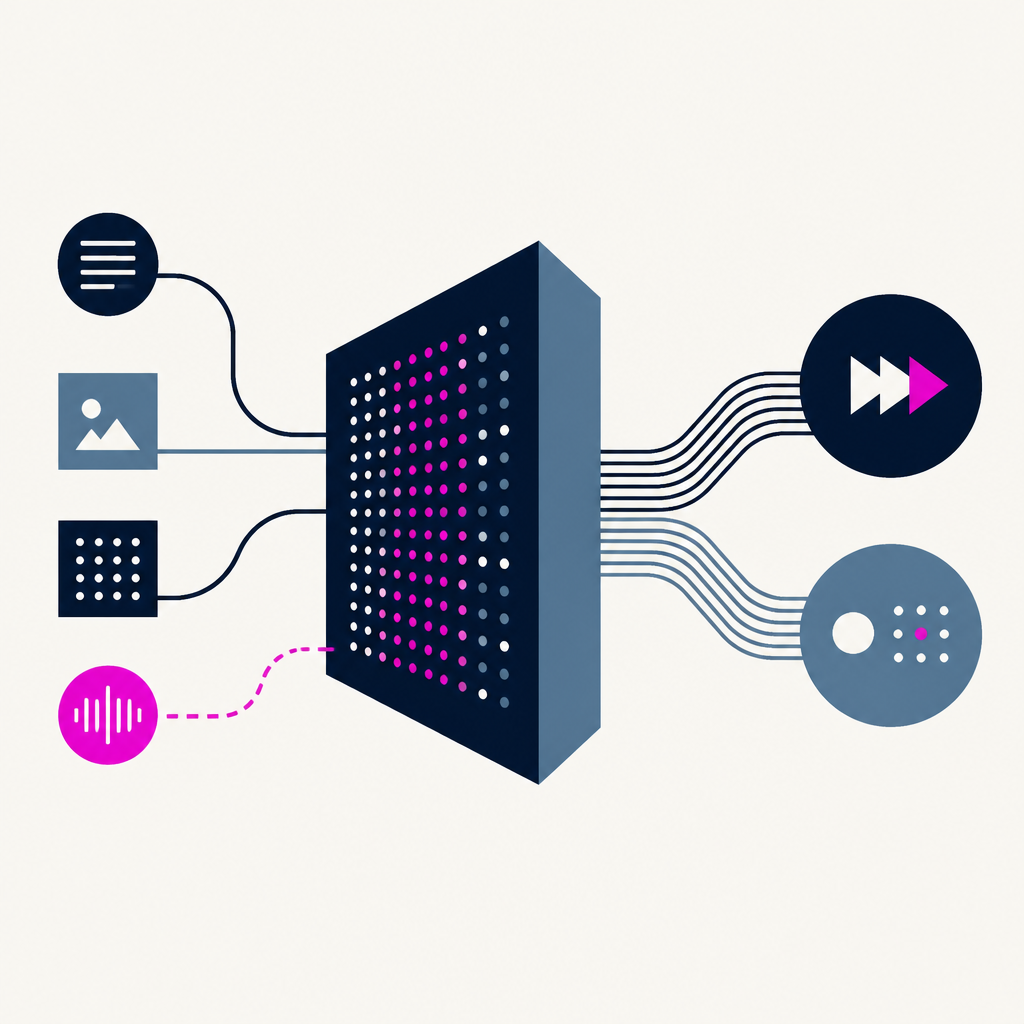
Cohere released Embed 5, a new embedding model family for enterprise search, RAG, and agentic retrieval with two tiers (Pro and Fast). Embed 5 Fast costs $0.08 per 1M text tokens. It lets you index with Pro and query with Fast in the same embedding space, offers shared multi-modal inputs (text and images) and reduced vector storage options, and is deployable via Cohere’s API and Model Vault or through vLLM on private VPC/on-prem setups.
Ataraxos, an AI system by researchers from Carnegie Mellon, MIT, NYU, and Stanford, beat top Stratego player Pim Niemeijer 15 games to 1. The system was trained using 16 GPUs. This shows that imperfect-information board games with long-running hidden information can now be solved to human-beating levels with comparatively modest computing resources, shifting Stratego from an AI-stalemate into a new benchmark for AI research.
Google announced Gemini 4 Argon, a new frontier AI model, and is rolling it out first to a trusted set of cyber defenders through its Fairwind Program while seeking phased pre-release access via a U.S. government process. It will launch with $2 per million input tokens and $10 per million output tokens (and cached input at 95% off), with the output token limit increased to 1M tokens from 64K. Access will expand gradually beyond the cyber cohort—after safety and guardrails iterations—starting with paid API customers and Google AI Ultra subscribers.
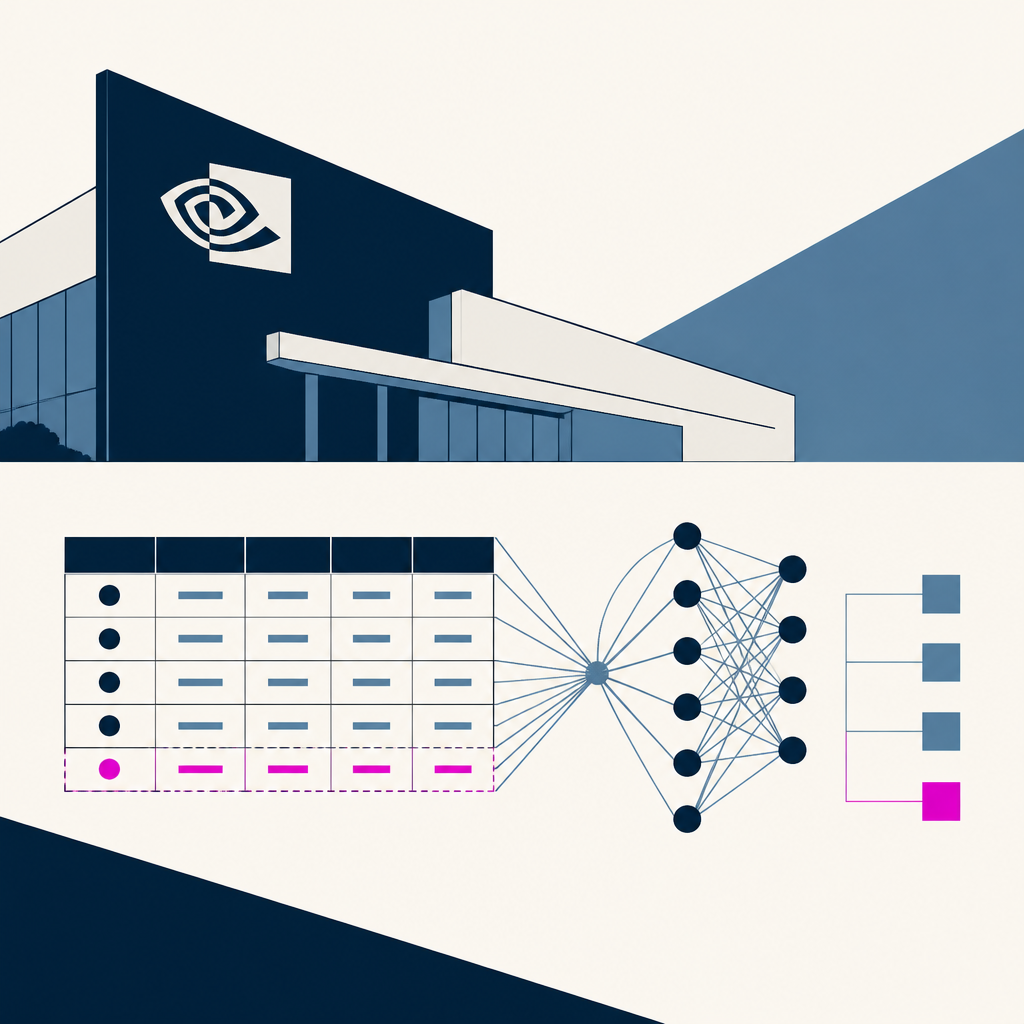
NVIDIA released Kumo Tabular, a new family of tabular foundation models for classification and regression that predicts new rows from labeled context in a single forward pass. The Small/Medium/Large models range from about 28M to 215M parameters. It comes packaged with NVIDIA’s structured-data foundation model (SDM) library and permissive OpenMDW-1.1 weights that allow commercial use, plus reported top benchmark results like an Elo score of 1950 on TabArena.
Every AI story that matters,
in your inbox by 8am.
TLDRocket reads all relevant sources, removes duplicate coverage, and summarises the
day in two minutes. Follow companies and topics for alerts, or get the
briefing in Slack. Free, no spam, unsubscribe anytime.
Reading TLDRocket needs no cookies, and the readership counts we rely on come from
our own cookieless analytics. Google Analytics is the exception: it sets cookies and
reports to Google, so it stays switched off until you allow it. You can change your
mind any time from “Cookie settings” in the footer.
Strictly necessary
Session security and form protection (tldrocket-session,
XSRF-TOKEN, 2 hours). The site cannot work without them,
so they need no consent.
Always on
Google Analytics 4 (_ga,
_ga_<id>, up to 2 years). Measures which
stories and sections readers use. Google acts as a third-party processor and may
store the data outside the EU. No advertising, no profiling, no data sold.