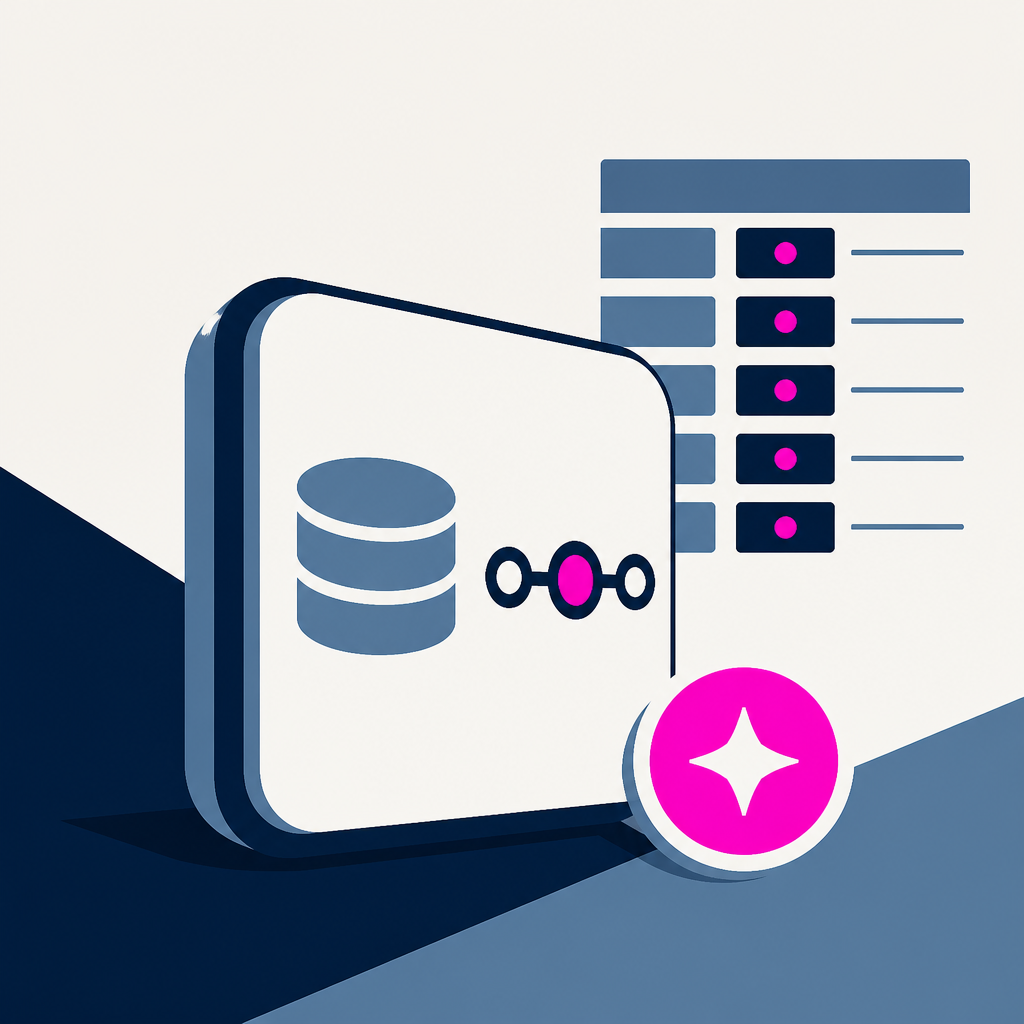
datasette-mcp 0.2 changed the “rows” returned by execute_sql from an array of arrays to an array of objects. The plugin now requires mcp>=2.1.1. As a result, outputs are easier for weaker models to map values to columns, and it’s now a first non-alpha release.
Relaticle launched an open-source, approval-gated AI CRM that lets an MCP client use OAuth to access first-party tools and have workspace custom fields mapped into each agent’s schema. It offers 37 first-party tools. Writes happen as record-by-record proposals that must be approved, with everything available for self-hosting under AGPL (including local inference with Ollama) and free self-hosting plus flat per-workspace cloud pricing.
Subanana launched Live Captions that provide accurate subtitles for multiple languages by routing each language to the speech model that works best for it rather than using a single vendor. The launch is happening today. The service also turns the same audio into meeting summaries and publish-ready documents, with users able to try it free before paying for exports.
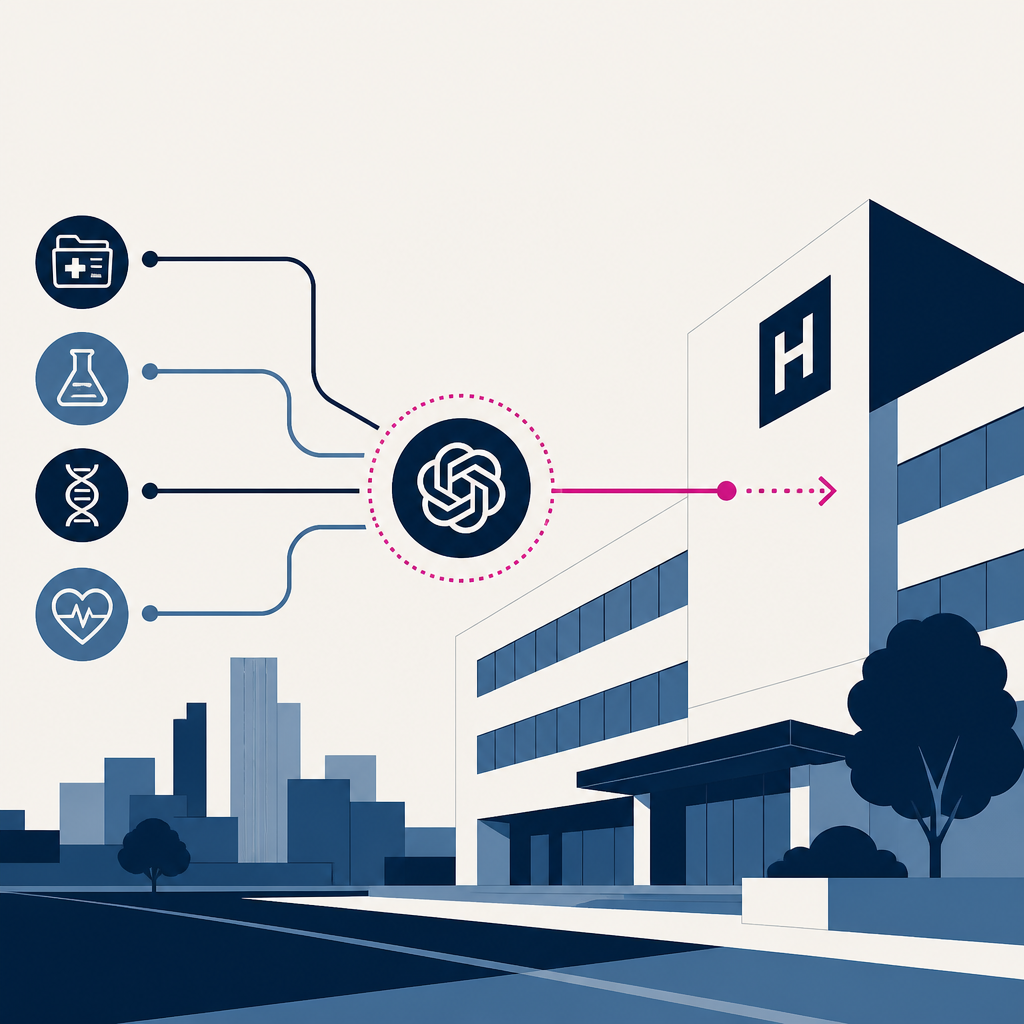
ChatGPT was updated so healthcare organizations can connect it to trusted healthcare data, including EHR and other industry datasets. The article specifies that organizations can “now” connect these sources. As a result, clinicians can access added patient context and medical research through ChatGPT rather than only general information.
Google released Google Pics, a new set of creative design tools for Google Workspace that lets users edit and generate business images using AI.
The tools are built on Gemini and the Nano Banana generative AI model.
Workspace users get more granular object- and text-targeted controls for prompt-based image making and manipulation.
Every AI story that matters,
in your inbox by 8am.
TLDRocket reads all relevant sources, removes duplicate coverage, and summarises the
day in two minutes. Follow companies and topics for alerts, or get the
briefing in Slack. Free, no spam, unsubscribe anytime.
Reading TLDRocket needs no cookies, and the readership counts we rely on come from
our own cookieless analytics. Google Analytics is the exception: it sets cookies and
reports to Google, so it stays switched off until you allow it. You can change your
mind any time from “Cookie settings” in the footer.
Strictly necessary
Session security and form protection (tldrocket-session,
XSRF-TOKEN, 2 hours). The site cannot work without them,
so they need no consent.
Always on
Google Analytics 4 (_ga,
_ga_<id>, up to 2 years). Measures which
stories and sections readers use. Google acts as a third-party processor and may
store the data outside the EU. No advertising, no profiling, no data sold.