Smartsheet built a remote Model Context Protocol server on AWS that allows AI agents to access Smartsheet data and capabilities through natural language interfaces and autonomous workflows. The infrastructure uses AWS Fargate, Kinesis, Neptune, and Bedrock, with optimizations that have saved over 3 billion tokens through techniques like progressive disclosure, schema-driven tool contracts, and proprietary serialization reducing token count by 35–47 percent. The system includes layered security, governance controls, observability through OpenTelemetry and Datadog, and automated deployment with canary testing to ensure AI agents can reliably work with enterprise data while maintaining performance and compliance.
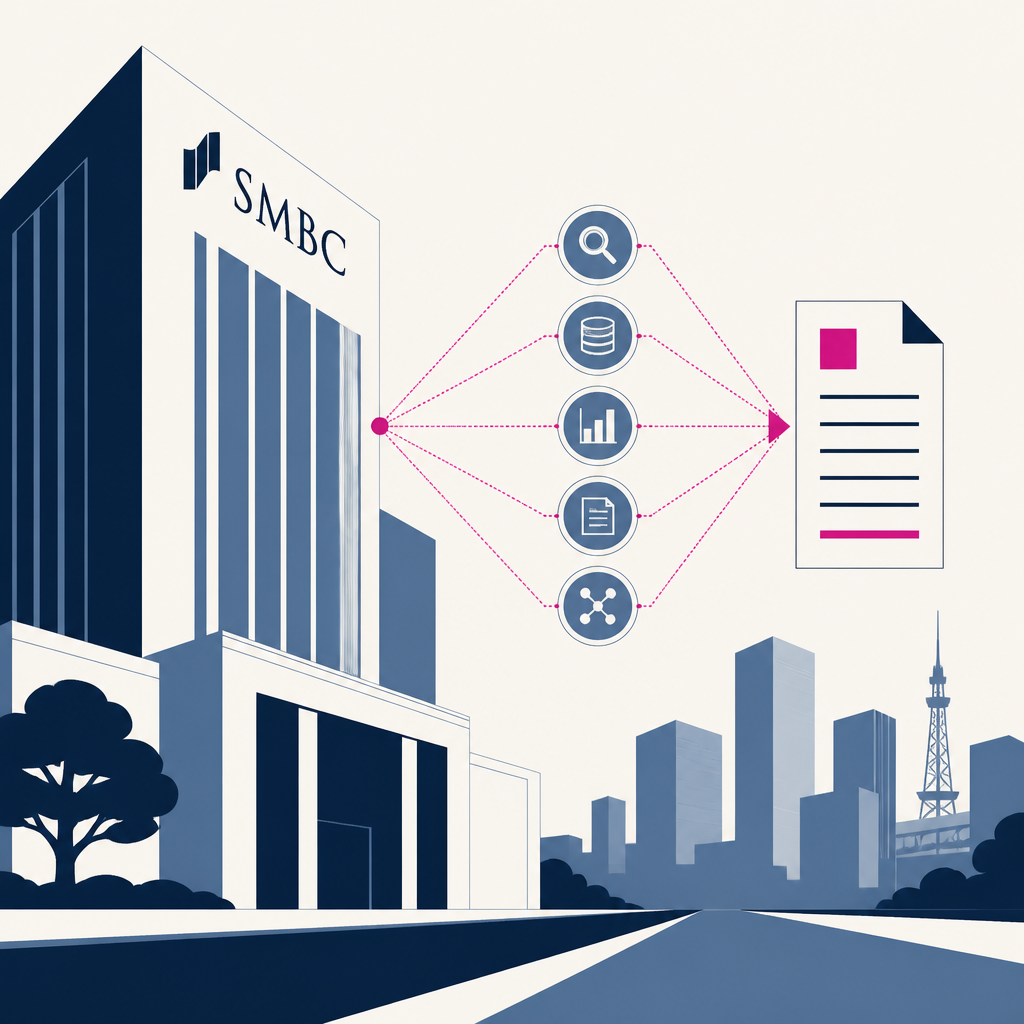
Sakana AI developed an automated proposal generation application for Sumitomo Mitsui Banking Corporation to streamline wholesale banking processes. The application reduces proposal writing time from one to two weeks to several hours or tens of minutes by deploying multiple AI agents that perform data collection, analysis, hypothesis building, and fact-checking. Bank employees can now focus on strategic problem-solving while AI handles document creation and identifies insights humans might overlook.
Dust CEO Gabriel Hubert describes a shift from individual employees using isolated AI chatbots to multiplayer AI systems where agents work collaboratively across departments, learning from company data and sharing workflows. By 2027, Hubert expects organizations will focus on managing multiple agents rather than debating whether to use them at all. Companies must address governance challenges, prevent unauthorized AI use, and maintain human oversight as agents take on more execution while human judgment becomes increasingly valuable.
Every AI story that matters,
in your inbox by 8am.
TLDRocket reads all relevant sources, removes duplicate coverage, and summarises the
day in two minutes. Follow companies and topics for alerts, or get the
briefing in Slack. Free, no spam, unsubscribe anytime.
Reading TLDRocket needs no cookies, and the readership counts we rely on come from
our own cookieless analytics. Google Analytics is the exception: it sets cookies and
reports to Google, so it stays switched off until you allow it. You can change your
mind any time from “Cookie settings” in the footer.
Strictly necessary
Session security and form protection (tldrocket-session,
XSRF-TOKEN, 2 hours). The site cannot work without them,
so they need no consent.
Always on
Google Analytics 4 (_ga,
_ga_<id>, up to 2 years). Measures which
stories and sections readers use. Google acts as a third-party processor and may
store the data outside the EU. No advertising, no profiling, no data sold.