Harvey introduced Harvey Tenet, its first post-trained Kimi K3 checkpoint for long-horizon legal agent work, based on asynchronous reinforcement learning in sandboxed legal environments. Tenet was trained using roughly 150 NVIDIA B300 GPUs over two months and improves held-out performance on Harvey’s Legal Agent Benchmark by almost twice as many tasks and 20% more for LAB: Contracts. It is being offered only as a research preview announced August 20, 2026 (recipe but no weights/API), with enterprise access via Harvey’s platform and plans to move the method into production over time.
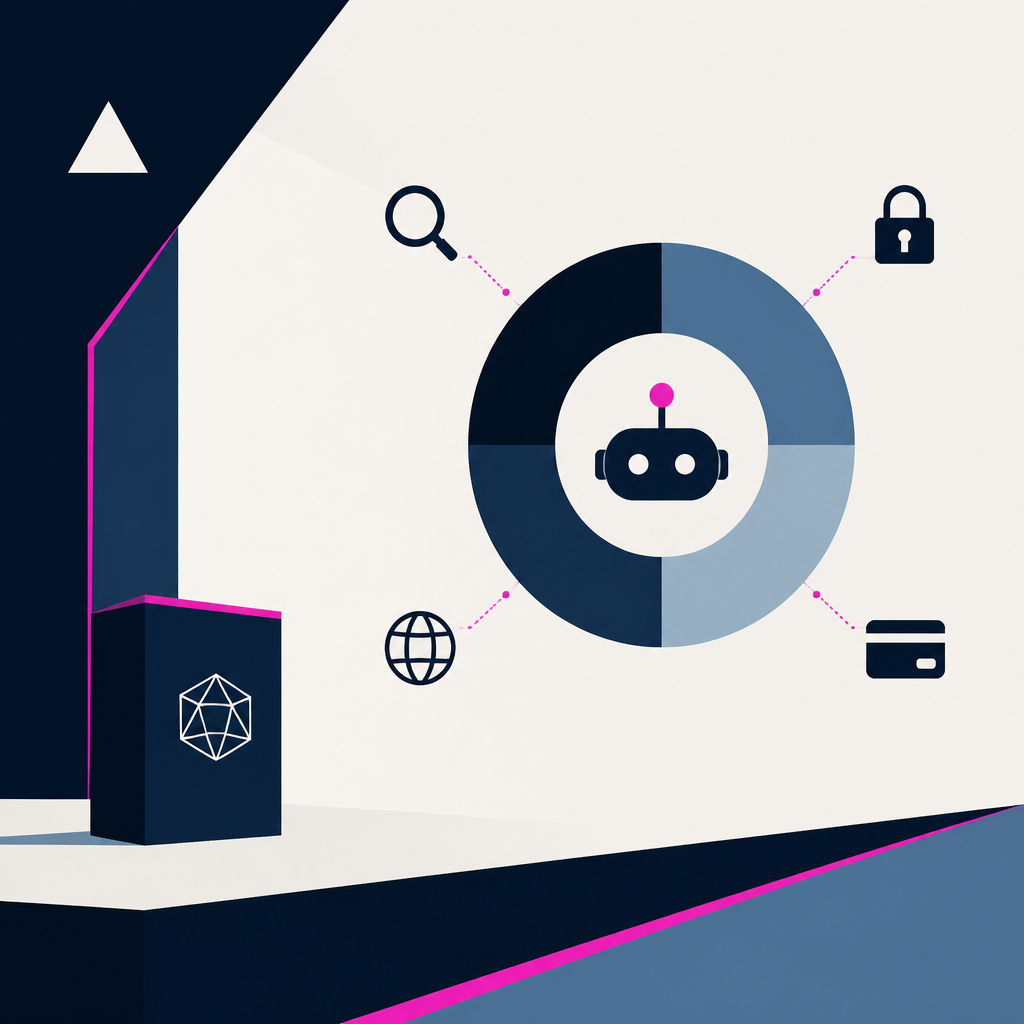
Vercel launched Is Agentic, a free tool that scores how easily AI agents can discover, access, understand, and use a public website. It uses Ora’s 118 checklist checks split into discovery, access, usability, and payments scoring tiers. Access to the scoring is now available via a website, read-only API, CLI, and MCP server with no API key and no billing.
Four-agent decision tests run by Anthropic mostly failed when shared evidence pushed the group toward the wrong choice. Most model families got it right in only 17-36% of runs, while a single agent with the full evidence base was correct nearly every time. The takeaway is that agent “groupthink” persists, so better outcomes likely require fewer-but-informed agents and/or stronger mechanisms for dissent and diversity, though a related token price-elasticity finding suggests pricing “useful work” is still the bottleneck.
Every AI story that matters,
in your inbox by 8am.
TLDRocket reads all relevant sources, removes duplicate coverage, and summarises the
day in two minutes. Follow companies and topics for alerts, or get the
briefing in Slack. Free, no spam, unsubscribe anytime.
Reading TLDRocket needs no cookies, and the readership counts we rely on come from
our own cookieless analytics. Google Analytics is the exception: it sets cookies and
reports to Google, so it stays switched off until you allow it. You can change your
mind any time from “Cookie settings” in the footer.
Strictly necessary
Session security and form protection (tldrocket-session,
XSRF-TOKEN, 2 hours). The site cannot work without them,
so they need no consent.
Always on
Google Analytics 4 (_ga,
_ga_<id>, up to 2 years). Measures which
stories and sections readers use. Google acts as a third-party processor and may
store the data outside the EU. No advertising, no profiling, no data sold.