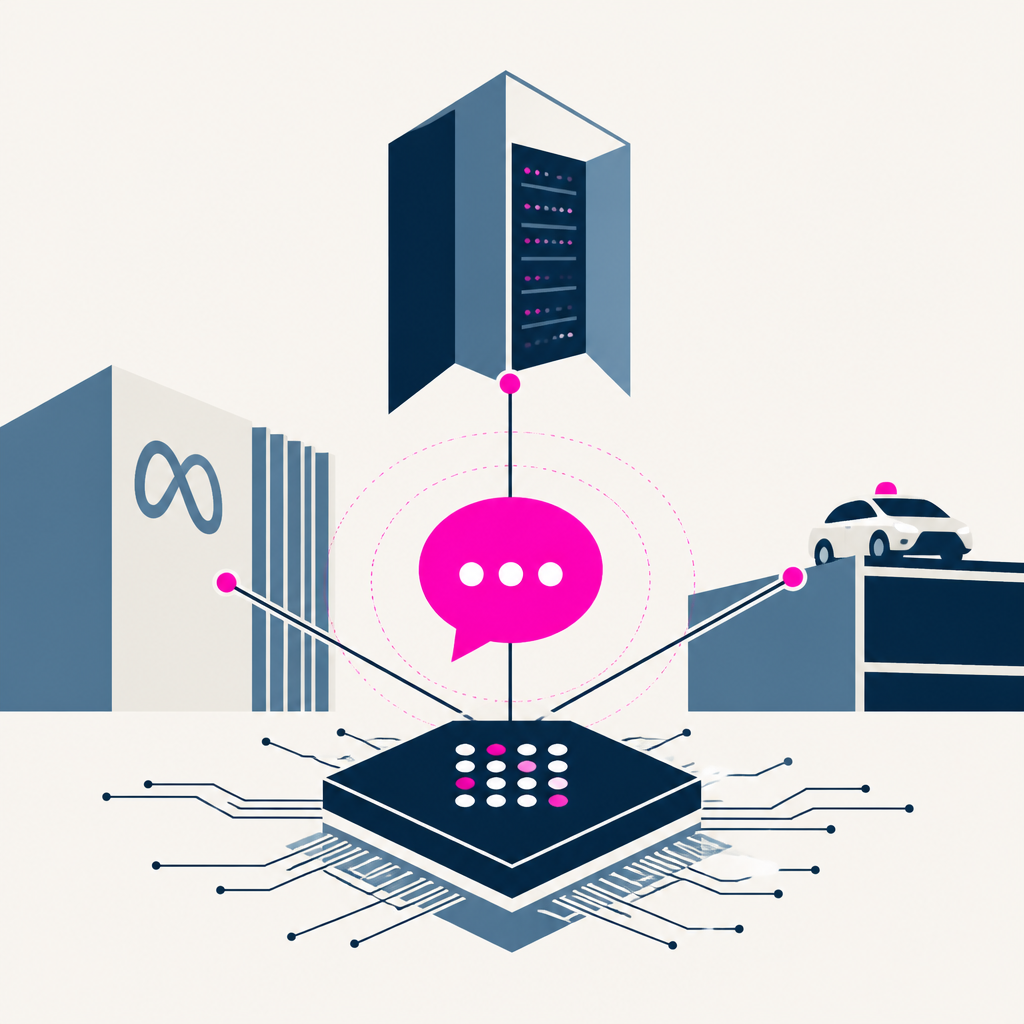
Text-message-based AI agents are increasingly being packaged so people can text an assistant to remember context, connect to other apps, and carry out tasks like scheduling, research, reservations, and reminders. Instinct’s latest funding round valued the company at $10 billion after raising $1 billion in September 2026. More personal- and family-focused assistants are rolling out across iMessage/RCS, WhatsApp, Telegram, and dedicated apps, with subscriptions and added autonomy features like agent email addresses and phone-call support.
Anthropic updated Claude by folding its Cowork feature into the main app, positioning Claude as an always-on agent option alongside OpenAI’s Dots and Meta’s Muse. Cowork had been working since July 7 to run scheduled jobs after a user closes their laptop without being asked. As a result, Claude Pro and Max customers get the integrated always-on workflow in the Claude app instead of requiring separate agent setup, while Anthropic plans Team and Free access later.
Linda launched today as a free private AI coworker for Mac that performs tasks in its own browser using your folders and can be supervised step-by-step. It is available with no account and is set up to run local AI on Apple Silicon or use your own key. It lets you control specialist agents and take over actions, with prompts before it performs sensitive actions like sending, buying, deleting, or posting.
Meta’s Muse, OpenAI’s Dots, and Uber’s driver assistant launched proactive AI agents that speak first to users with booking, monitoring, or marketplace advice. OpenAI’s Dots was announced on Sept 29 as part of a new $500 monthly tier. Proactive delivery shifts the main challenge from generating answers to deciding when, where, and whether to interrupt, using decision models that predict the value of sending a message versus the cost to the user.
Every AI story that matters,
in your inbox by 8am.
TLDRocket reads all relevant sources, removes duplicate coverage, and summarises the
day in two minutes. Follow companies and topics for alerts, or get the
briefing in Slack. Free, no spam, unsubscribe anytime.
Reading TLDRocket needs no cookies, and the readership counts we rely on come from
our own cookieless analytics. Google Analytics is the exception: it sets cookies and
reports to Google, so it stays switched off until you allow it. You can change your
mind any time from “Cookie settings” in the footer.
Strictly necessary
Session security and form protection (tldrocket-session,
XSRF-TOKEN, 2 hours). The site cannot work without them,
so they need no consent.
Always on
Google Analytics 4 (_ga,
_ga_<id>, up to 2 years). Measures which
stories and sections readers use. Google acts as a third-party processor and may
store the data outside the EU. No advertising, no profiling, no data sold.