TLDRocket
Sign in

Agent Infrastructure

209 summarised stories about Agent Infrastructure, each linking back to the original source. Browse all topics →

+ Follow this topic

Monday, 27 July 2026

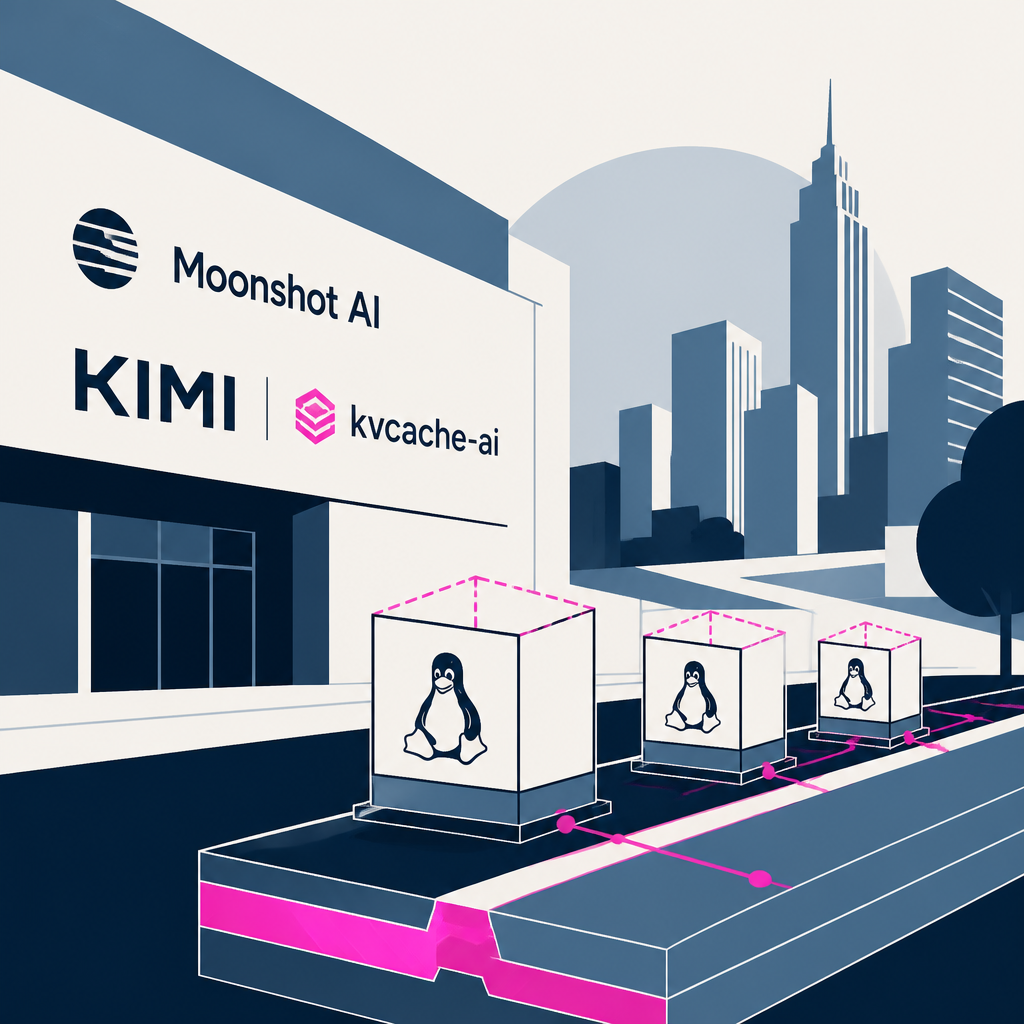
Kimi AI and kvcache-ai Open Sources ‘AgentENV’: A Distributed System that Powers Agentic Reinforcement Learning (RL) Training for Kimi K3

MarkTechPost 2 months ago 18 ● 33 sources

Moonshot AI's Kimi team and kvcache-ai open-sourced AgentENV, a distributed platform for running isolated Linux environments needed to train language models with reinforcement learning on real computer tasks. The system uses Firecracker microVMs with shared read-only storage layers and memory ballooning to run training at scale, with each sandbox maintaining its own kernel and filesystem while reducing startup overhead. This infrastructure enables agentic RL training for Kimi K3, a 2.8-trillion-parameter model, making it feasible to train agents that interact with real computing systems.

Yugabyte targets the missing memory and knowledge layer for enterprise AI agents

SiliconANGLE 2 months ago 54

Yugabyte launched Meko, a data infrastructure platform designed to provide persistent memory, shared knowledge, and traceability for multi-agent systems in enterprise environments. The platform addresses the gap where current AI agents remain stateless and unable to share context or reasoning with other agents, resulting in repeated work and higher token consumption. By enabling agents to learn from each other's interactions and preserving decision lineage, enterprises can transition from isolated agent interactions to collaborative machine intelligence with better auditability and governance.

“Developers see this as the future”: Pilot Protocol launches to power the agent economy

The New Stack 2 months ago 13

Pilot Protocol launched a platform that lets software agents discover and interact with each other through a network-based app store, enabling agents to autonomously find and pay for tools and services without human intervention. The platform hosts approximately 250,000 agents generating two billion requests daily, with the network growing by up to 10% per day and adding 16,000 agents in 24 hours during early months. This shift toward agent-to-agent transactions could disrupt SaaS pricing models by enabling usage-based and short-term billing cycles rather than traditional annual subscriptions.

The daily briefing

Every AI story that matters, in your inbox by 8am.

TLDRocket reads all relevant sources, removes duplicate coverage, and summarises the day in two minutes. Follow companies and topics for alerts, or get the briefing in Slack. Free, no spam, unsubscribe anytime.