Amazon Bedrock AgentCore Observability helps diagnose performance issues in production AI agents by identifying bottlenecks and memory problems using CloudWatch monitoring. The article provides specific CloudWatch queries and metrics to detect slow response times (e.g., P95 latency exceeding 3 seconds) and unbounded memory growth in long-running sessions, with solutions including parallelizing tool calls, optimizing prompts, and configuring memory consolidation strategies. Production best practices include setting up comprehensive instrumentation, CloudWatch alarms, and operational dashboards to proactively catch degradation before users notice it.
Agent Manager is a tmux-based terminal UI that runs multiple AI coding agents (Claude Code, Codex, OpenCode, Grok, Gemini CLI) simultaneously in separate sessions, displaying their status in a unified project tree where users can send prompts and review file changes without switching between tabs. The tool supports live status detection for supported agents, keeps sessions persistent after the manager closes, and includes features like syntax-highlighted diff review with inline comments that feed back to agents as review prompts. Users can now manage multiple coding agents in a single interface with keyboard shortcuts for spawning, killing, reviving sessions, and reviewing code changes instead of manually tracking each agent's progress across separate terminal windows.
World Model Optimizer is an open-source tool that converts agent traces into smaller optimized models and routes requests between frontier and smaller models to reduce costs. On RouterBench, the routing system maintains frontier model quality while reducing costs by 27%. Users can now run smaller, cheaper models for most requests while falling back to more capable models only when needed, with continuous improvement as new traces arrive.
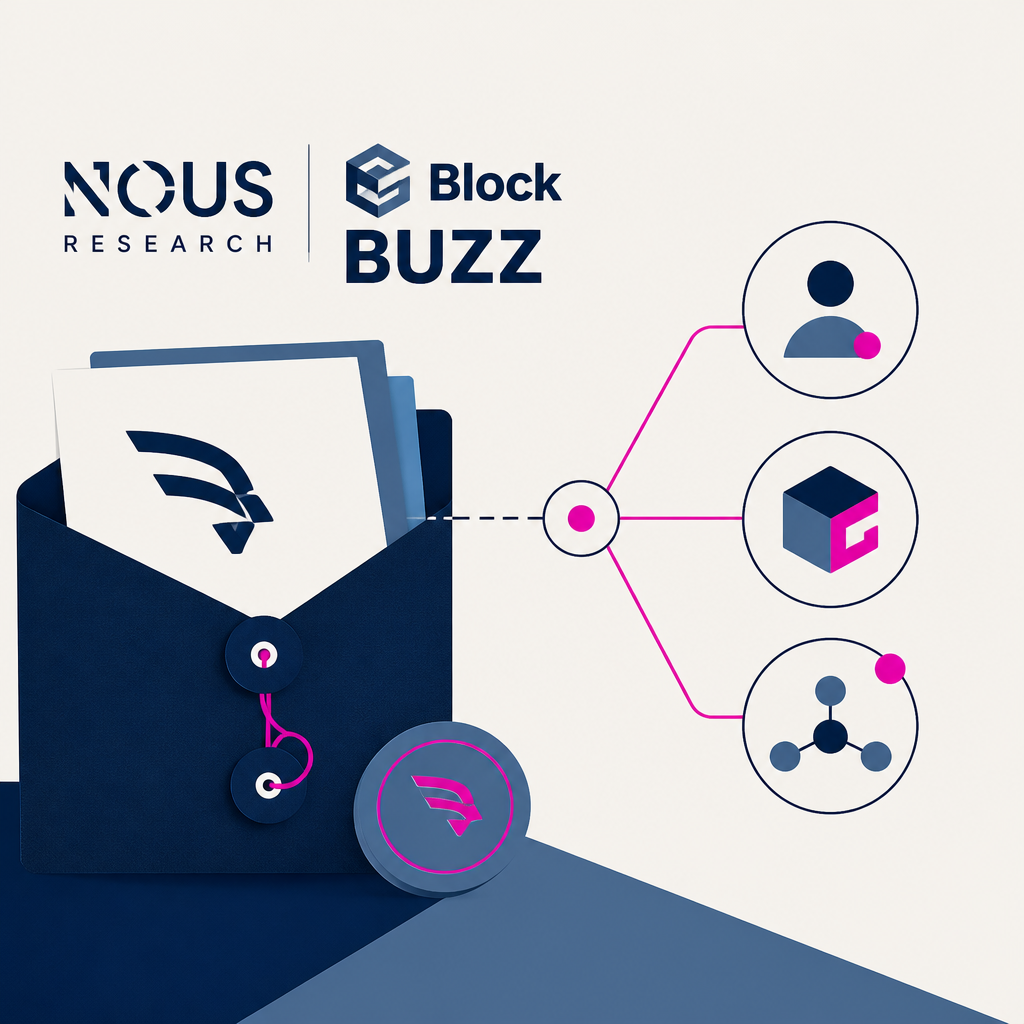
Nous Research released integration paths for Hermes Agent with Buzz, Block's open source workspace built on Nostr that allows humans and AI agents to share channels with their own cryptographic identities instead of bot tokens. The integration provides three deployment options: Buzz Desktop for solo developers, relay bridge for mid-market teams using Postgres and Redis, and native gateway for deeper Hermes integration with full memory and approval systems. The setup defaults to private mode with mention-gating enabled and tool logs suppressed, allowing both solo developers and enterprise teams to self-host the infrastructure.
Every AI story that matters,
in your inbox by 8am.
TLDRocket reads all relevant sources, removes duplicate coverage, and summarises the
day in two minutes. Follow companies and topics for alerts, or get the
briefing in Slack. Free, no spam, unsubscribe anytime.
Reading TLDRocket needs no cookies, and the readership counts we rely on come from
our own cookieless analytics. Google Analytics is the exception: it sets cookies and
reports to Google, so it stays switched off until you allow it. You can change your
mind any time from “Cookie settings” in the footer.
Strictly necessary
Session security and form protection (tldrocket-session,
XSRF-TOKEN, 2 hours). The site cannot work without them,
so they need no consent.
Always on
Google Analytics 4 (_ga,
_ga_<id>, up to 2 years). Measures which
stories and sections readers use. Google acts as a third-party processor and may
store the data outside the EU. No advertising, no profiling, no data sold.