
Up to 3.2x Faster Inference with LFM2.5-DSpark
Hugging Face ● Covered by 2 sources
Liquid AI released DSpark draft checkpoints for three LFM2.5 models. They claim up to 3.18x faster inference with unchanged output quality.
Based on reporting by Hugging Face — read the original for the full story.
Summary, retelling and take written by AI under human oversight; images are AI-generated illustrations. How we work · Report an error
Liquid AI has released DSpark draft model checkpoints for three members of its LFM2.5 family: LFM2.5-1.2B-Instruct, LFM2.5-2.6B, and LFM2.5-8B-A1B. The pitch is simple enough: keep the answer the same, but make the decoding step move faster by letting a smaller draft model do some of the work first.
The company says that trade buys a lot of speed for very little memory overhead. On an H100, the best case in its own tests hits 3.18x throughput improvement; on-device, the top figure is 2.87x. For LFM2.5-2.6B, the average function-calling latency drops by 57%, which is the number that matters if you care about agent-like use on a laptop rather than in a datacenter.
DSpark sits in the speculative decoding family, where a draft model proposes tokens and the target model checks them in one pass. Liquid AI describes its version as a mix of three pieces: a DFlash-style parallel backbone, a lightweight sequential head that models token-to-token dependence, and a confidence-scheduled verifier that can skip low-value suffixes when verification would cost more than it saves.
The draft models themselves are small by design. Each is around 300 million parameters, built from a 5-layer attention-only draft and trained for 15 epochs over a mix of SFT, chat, code, and function-calling data. Liquid AI says it picked the checkpoint with the highest acceptance rate, not the lowest loss, which is a nice reminder that this system is optimized for useful tokens, not elegant training curves.
The company is also pushing the integration path hard. DSpark support is available day one in llama.cpp and SGLang, and the checkpoints are up on Hugging Face in both Safetensors and GGUF formats. That makes this feel less like a lab demo and more like an attempt to make speculative decoding a default option for people who actually ship models.
My take — AI-written commentary, not fact-checked reporting
The real story here isn’t the headline speedup, it’s that Liquid AI is treating speculative decoding like plumbing, not wizardry. That’s the right instinct. The AI industry loves to sell bigger models and louder demos; the useful work is often a smaller model, fewer surprises, and a faster path from prompt to answer.
Read more about this at: Hugging Face
Related stories
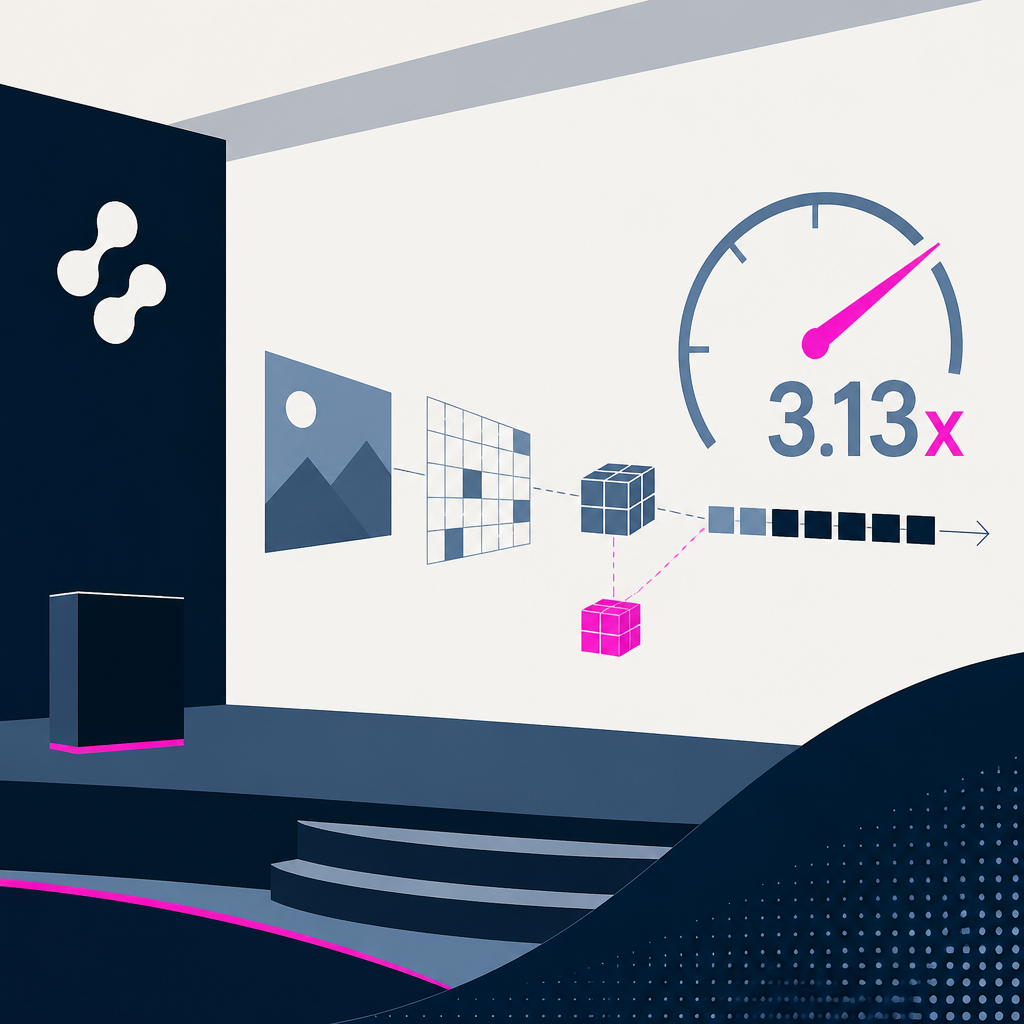 Liquid AI Releases LFM2.5-VL-3B-DSpark: Speculative Decoding for Vision-Language Models With Up to 3.13x Faster Decoding
MarkTechPost · 3 weeks ago ·
41
Deploy local agents everywhere with LFM2.5-2.6B
Hugging Face · 2 months ago ·
9
Liquid AI Releases LFM2.5-VL-3B-DSpark: Speculative Decoding for Vision-Language Models With Up to 3.13x Faster Decoding
MarkTechPost · 3 weeks ago ·
41
Deploy local agents everywhere with LFM2.5-2.6B
Hugging Face · 2 months ago ·
9