
This Might Be the Earliest Known Spear Murder In Earth’s History
404 Media Becky Ferreira
A Neanderthal in Iraq may have been killed by a spear 75,000 years ago. That could be one of the oldest direct signs of murder in our family tree.
Based on reporting by 404 Media, Becky Ferreira — read the original for the full story.
Summary, retelling and take written by AI under human oversight; images are AI-generated illustrations. How we work · Report an error
A Neanderthal named Shanidar A may have been killed by a sharpened wooden spear about 75,000 years ago, then buried by others in Shanidar Cave in what is now Iraqi Kurdistan. If the team is right, this is not just an old wound. It may be one of the earliest direct signs of interpersonal violence ever found in a hominin, the group that includes humans and our close relatives.
The bones were dug up in 2020 from deep in the cave floor. What survived tells a grim story: a puncture in the shoulder blade suggests the spear passed through the chest and out the back, likely hitting the heart. Shanidar A also had a severe facial injury that had partly healed, which points to care from others while the person recovered.
The burial context matters just as much as the injury. The remains were placed in a small area of the cave that also held other Neanderthal bones, a setup the researchers say looks like an intentional burial ground. Emma Pomeroy and colleagues at the University of Cambridge argue that the positioning strongly suggests care during and after death, not a random pile of bones.
There’s still a catch, and it’s a big one. The wound could have come from a fight with another Neanderthal, from a member of Homo sapiens, or from an accident while hunting. However it happened, Shanidar A adds to the picture of Neanderthals as capable of care, recovery, and funerary ritual, not just rough survival in caves.
My take — AI-written commentary, not fact-checked reporting
The useful part here is not the murder mystery; it’s the burial. Too often Neanderthals get flattened into either cave-brutes or soft-focus cousins, and both versions are lazy. This one points to a species that could wound, heal, and grieve without needing a TED Talk about what made them “human.”
Read more about this at: 404 Media
Related stories
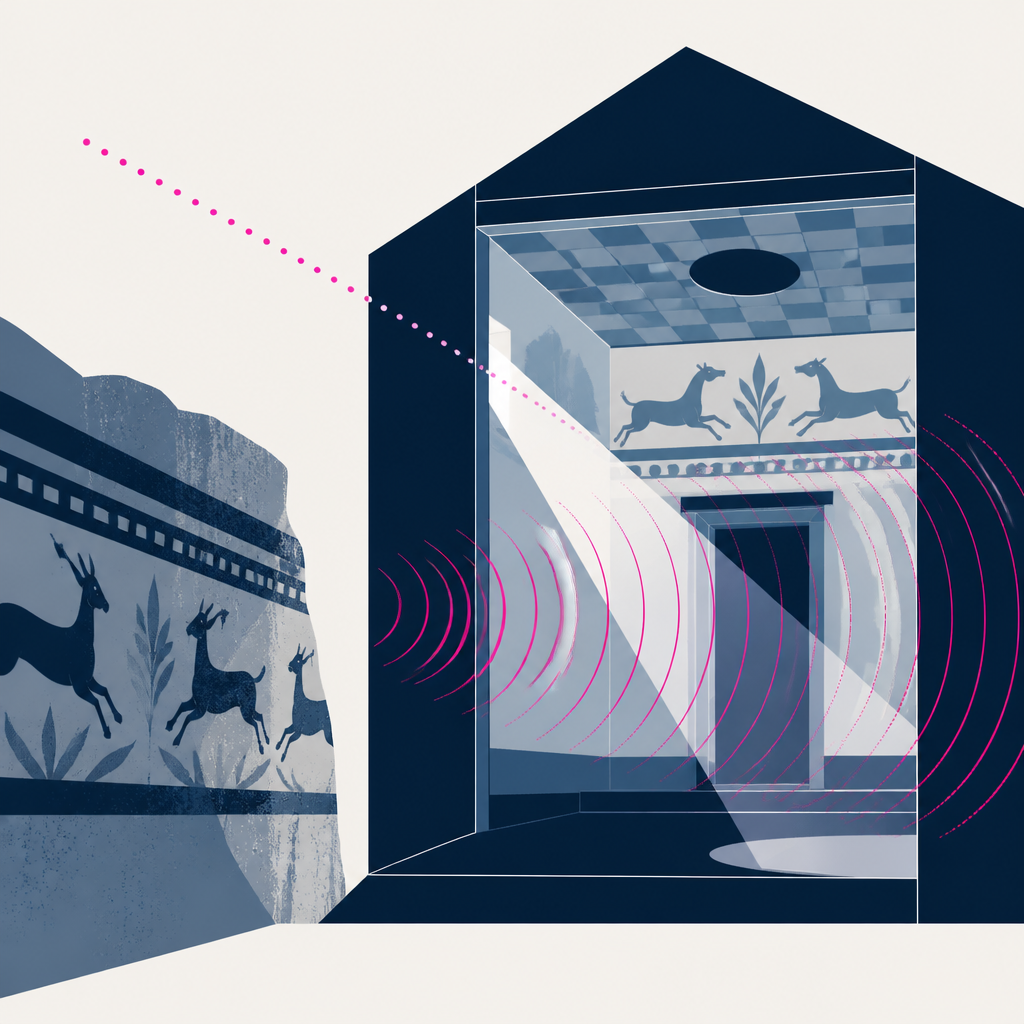 Researchers modeled surprise “special effects” inside Etruscan tombs with AI and sound
link.springer.com · 6 days ago ·
19
Michael Polansky is training an AI model on skin that’s still alive
TechCrunch · 1 month ago ·
45
Researchers modeled surprise “special effects” inside Etruscan tombs with AI and sound
link.springer.com · 6 days ago ·
19
Michael Polansky is training an AI model on skin that’s still alive
TechCrunch · 1 month ago ·
45
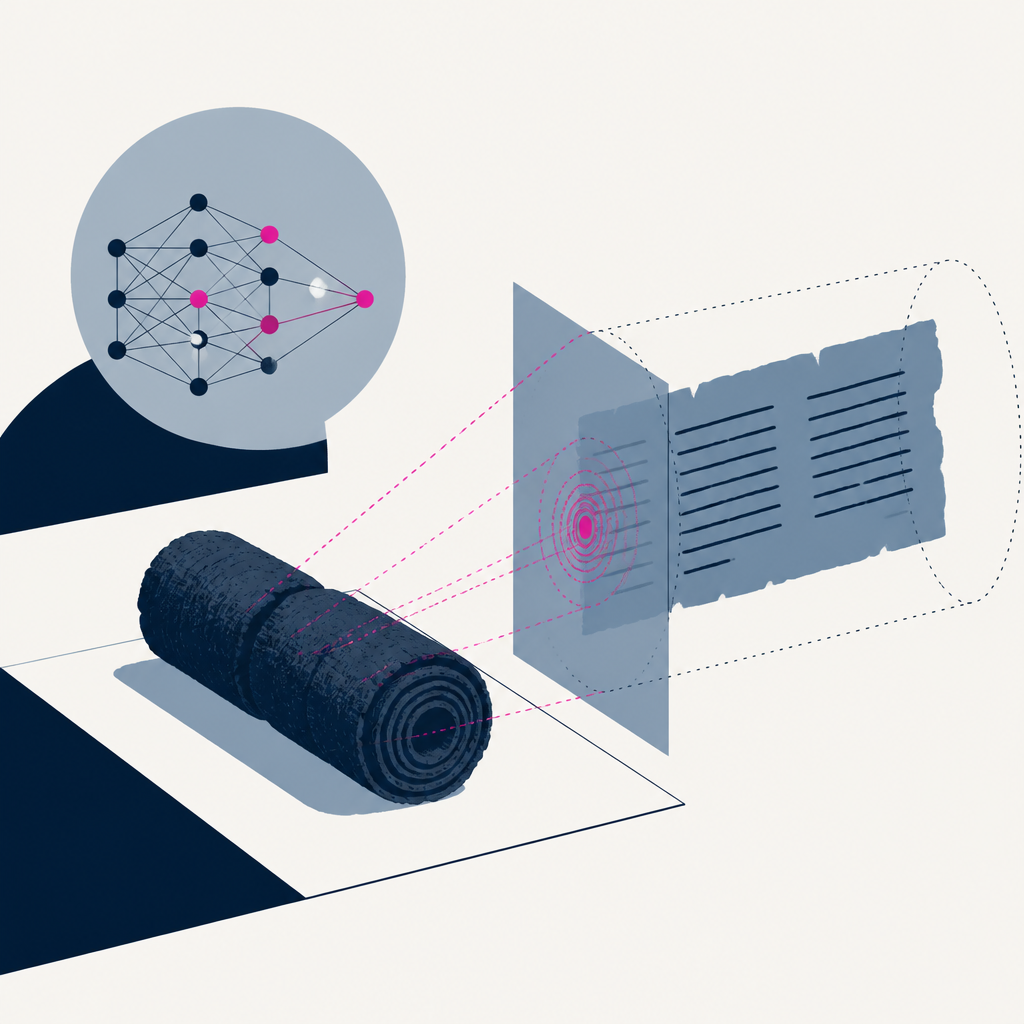 Scientists develop new method for deciphering ancient scrolls
Ars Technica · 1 month ago ·
50
Scientists develop new method for deciphering ancient scrolls
Ars Technica · 1 month ago ·
50