
Solinide closes €4M to commercialise photonic chips for AI data centres
Tech.eu Tamara Djurickovic ● Covered by 2 sources
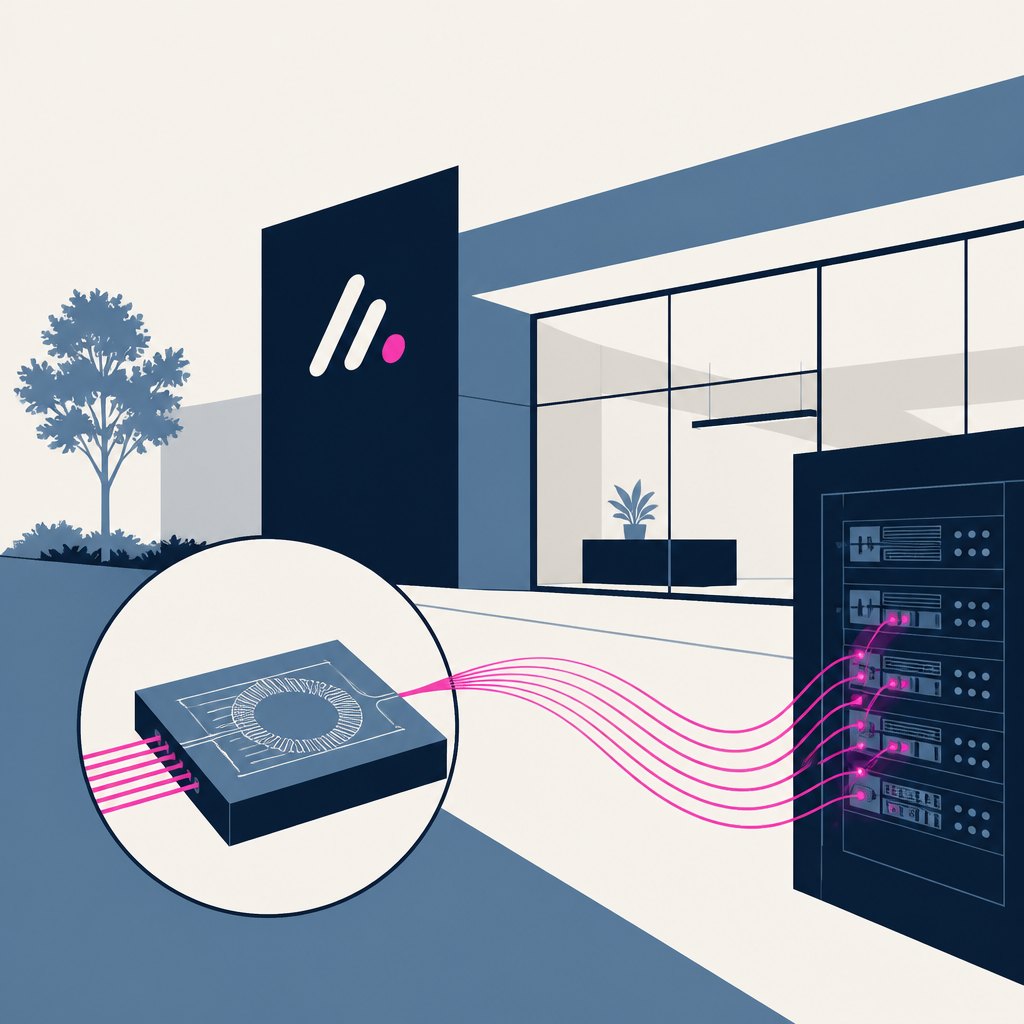
Solinide just raised €4M to turn its photonic chips into something AI data centres can actually buy. Its trick could cut the lasers, power draw and clutter that come with moving all that data.
Based on reporting by Tech.eu, Tamara Djurickovic — read the original for the full story.
Summary, retelling and take written by AI under human oversight; images are AI-generated illustrations. How we work · Report an error
Solinide Photonics, a Swedish deeptech spin-out from Chalmers University of Technology, has raised €4 million in seed funding to push its silicon nitride photonic integrated circuit technology toward commercial use. The company wants to get from promising lab hardware to scalable manufacturing, and the round was co-led by Navigare Ventures and PSV Hafnium, with backing from Chalmers Ventures, Turbine Capital, Norrsken Evolve and Almi Greentech Fund.
The pitch is built around a problem AI infrastructure keeps making worse: more data has to move between chips, but data centres can’t keep letting power use rise at the same pace. Solinide’s answer is a photonic chip and microcomb approach for optical interconnects. Instead of relying on several separate lasers, the company says a single chip can generate dozens of precise wavelengths of light at once.
That matters because each extra wavelength can carry more data through an optical fibre. Solinide argues that this should reduce the energy consumption, cost and physical footprint of the links that connect processors and other hardware inside AI data centres. The company also says the same technology could fit telecommunications and other uses that need high-capacity optical communications.
Solinide says its microcomb technology has already shown the performance needed for data centre links and has been built into a rack-mounted system. The next step is commercial readiness, launch and real-world deployment. The money will go into expanding engineering and commercial teams, building out in-house prototyping, and preparing the technology for manufacturing in Europe, while the company deepens work with strategic industry partners.
My take — AI-written commentary, not fact-checked reporting
This is the kind of hardware story that actually deserves attention: less hype, more physics. AI data centres are running into boring constraints like power, heat and packaging, and that usually means the winners are the companies shaving complexity instead of shouting about intelligence. Photonics keeps looking less like a side quest and more like the plumbing everyone will end up paying for.
Read more about this at: Tech.eu
Related stories
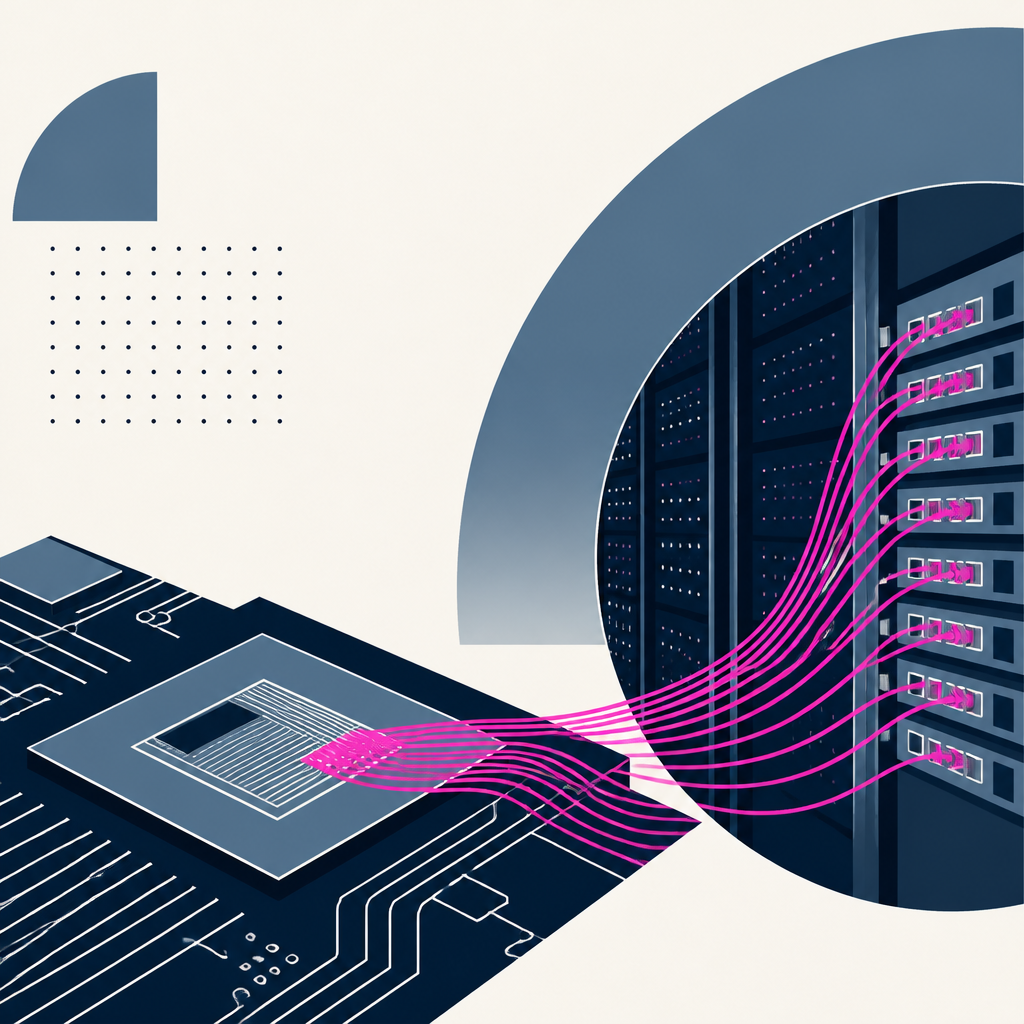 Salience Labs secures $125M to scale photonic chips for AI data centres
Tech.eu · 5 days ago ·
1
Salience Labs secures $125M to scale photonic chips for AI data centres
Tech.eu · 5 days ago ·
1
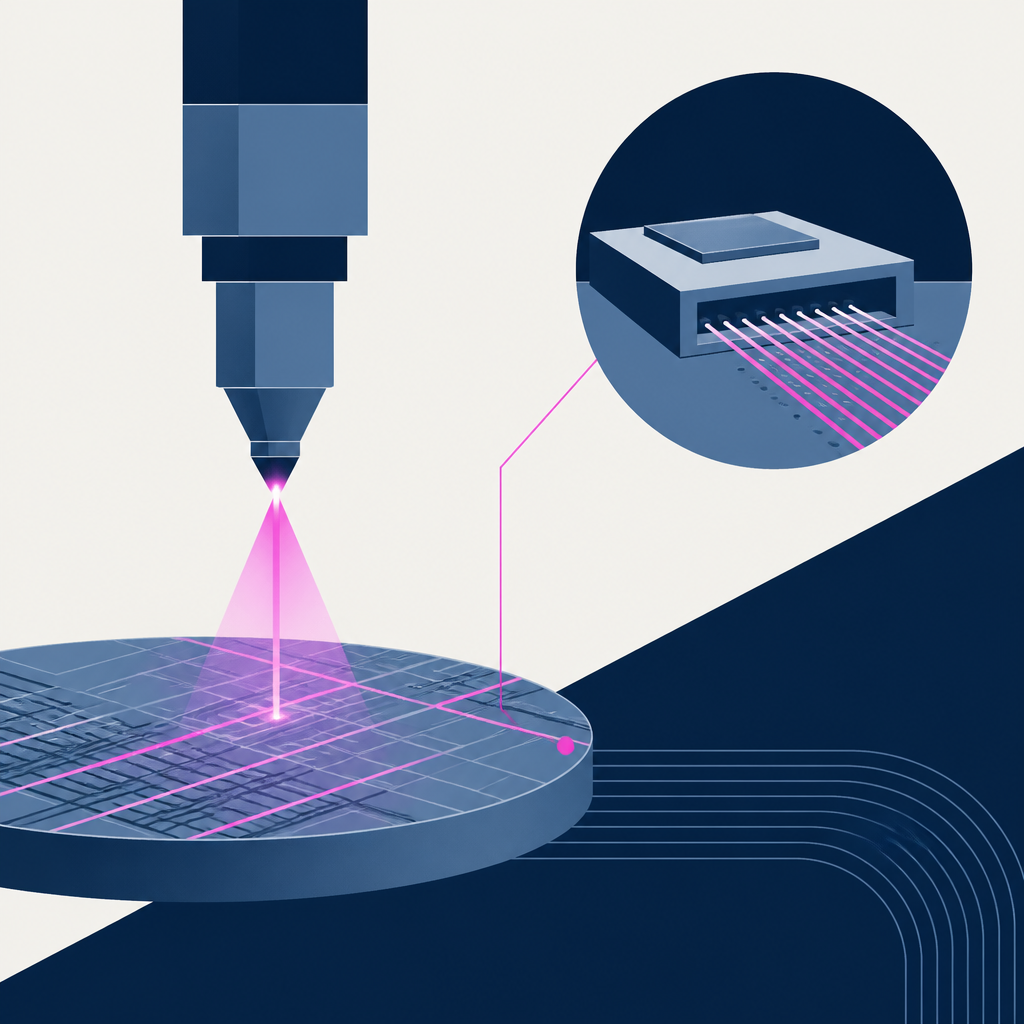 Lightspring raises €3.5M to tackle photonic chip manufacturing bottleneck
Tech.eu · 4 weeks ago ·
37
iPronics: Spanish Photonics Startup Raises $125 Million From Nvidia and Others
Trending Topics · 1 month ago ·
31
Lightspring raises €3.5M to tackle photonic chip manufacturing bottleneck
Tech.eu · 4 weeks ago ·
37
iPronics: Spanish Photonics Startup Raises $125 Million From Nvidia and Others
Trending Topics · 1 month ago ·
31