
Slack Code taps into collective vibe, puts AI agents into the group chat
The Register ● Covered by 4 sources
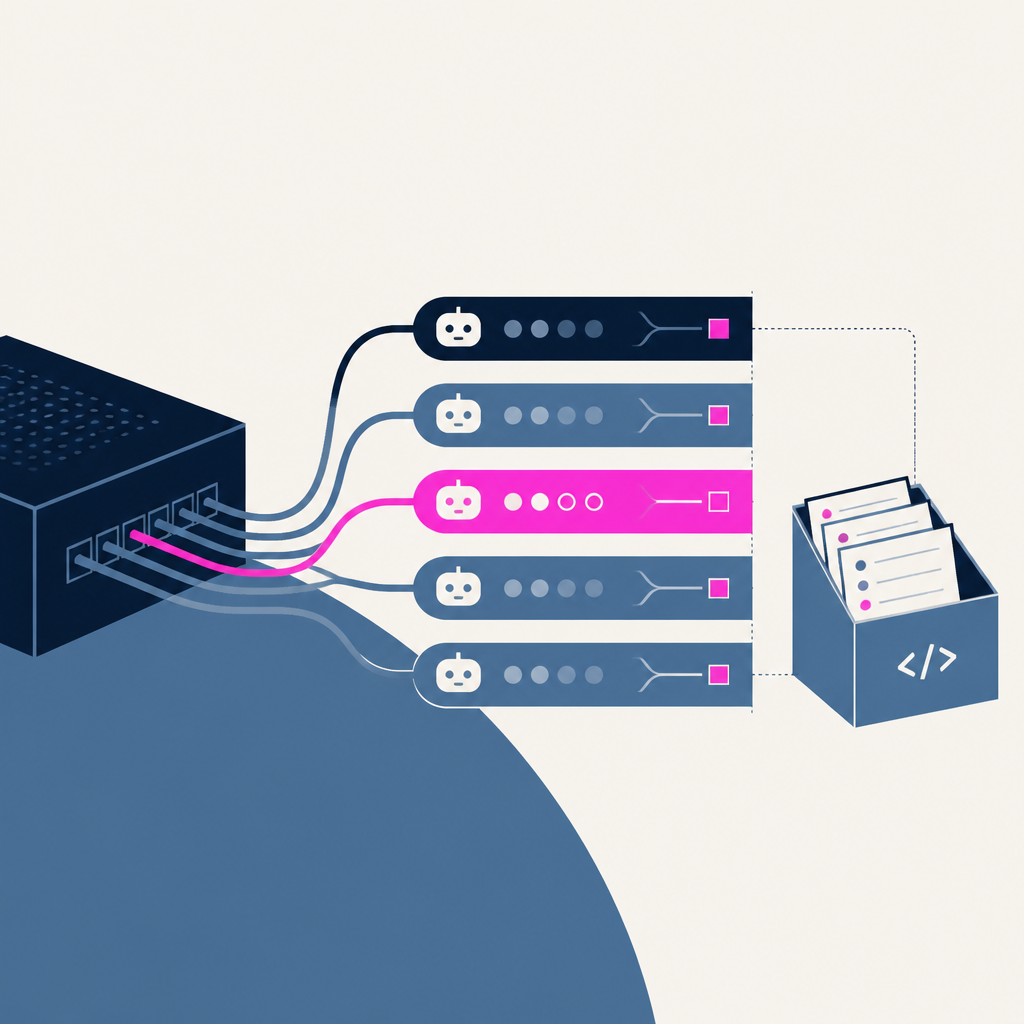
Slack put AI coding agents into group chats, not just terminals. Now everyone can watch, steer, and maybe stop the bot before it gets clever.
Based on reporting by The Register — read the original for the full story.
Summary, retelling and take written by AI under human oversight; images are AI-generated illustrations. How we work · Report an error
Slack has decided coding agents shouldn’t be left alone in a terminal. They should be in the group chat, where the whole team can watch them work and jump in if things start to wobble. The company’s new Slack Code gives agents their own project channels, which Slack is calling “multiplayer AI.”
The setup is simple enough. Tag an agent in a Slack conversation and it can spin up a code channel for the task. From there, people can follow its progress, inspect the changes it proposes, look at live HTML previews, and redirect it when needed. When the job is done, the channel can archive itself, leaving a searchable record behind.
Slack’s pitch is not just for developers. Product managers, designers, and other non-engineers are supposed to join in without opening a terminal or learning a separate tool. The company’s example has a product manager spotting a bug, asking an agent to fix it, then looping in an engineer to review the diff before the agent opens a pull request and merges the change. Slack sums it up as: “No ticket, no meeting, no waiting – just a fix, shipped.”
The company is also trying to reassure everyone that the humans still hold the leash. People in a code channel can pause, redirect, or stop an agent, and anything more serious, like pushing code to production, is meant to go to an expert for approval. Slack says the agents also inherit its existing permissions, security policies, and admin controls, so companies do not have to bolt on a separate management layer.
Slack is not alone in this. It says Anthropic, Cognition, GitHub, OpenAI’s ChatGPT, and Vercel are building integrations for Slack Code, with Claude, Devin, Copilot, and ChatGPT among the agents headed into those channels. The company plans to open the APIs more broadly later, and says the same setup could eventually be used for things beyond software, including marketing work and legal document review. It’s a neat bet: pull the AI work into public view, and maybe make it less mysterious, or at least less sneaky.
My take — AI-written commentary, not fact-checked reporting
This is classic enterprise AI: take something messy, put it in a shared channel, and call it governance. It’s not wrong, just very Slack. The real test is whether teams use these channels to catch mistakes early, or whether they end up with one more place where robots announce confidence in public.
Read more about this at: The Register