
Sakana AI Begins Commissioned Research from Defense Innovation Science and Technology Institute
Sakana AI ● Covered by 6 sources
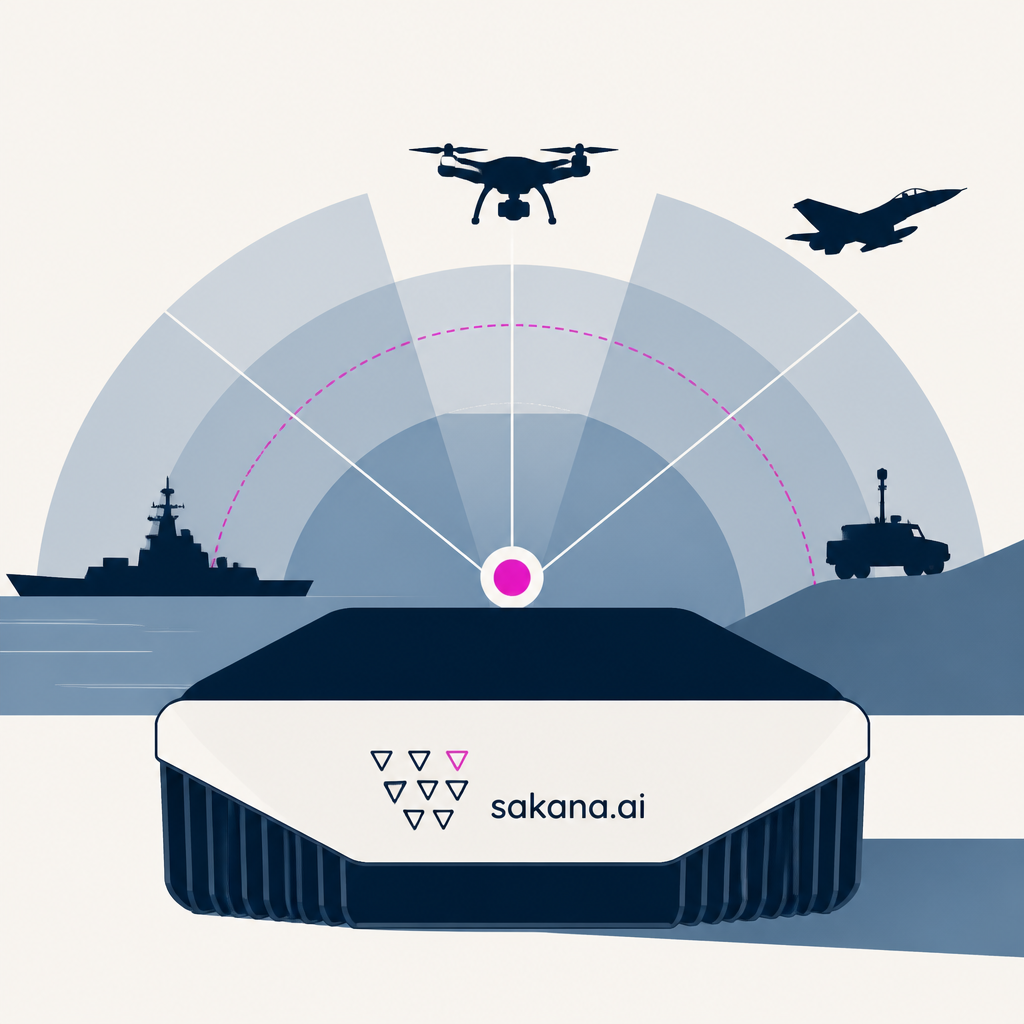
Sakana AI just signed a multi-year deal with Japan's defense tech institute to build AI that fuses drone, land, sea and air data. It's the Tokyo AI lab's biggest step yet into military command systems.
Based on reporting by Sakana AI — read the original for the full story.
Summary, retelling and take written by AI under human oversight; images are AI-generated illustrations. How we work · Report an error
Sakana AI, the Tokyo-based foundation model startup known for its work combining multiple AI systems, has landed a commissioned research contract with Japan's Defense Innovation Science and Technology Institute, part of the Acquisition, Technology and Logistics Agency. The project's stated goal is blunt: speed up observation, reporting, information integration and resource allocation by combining several AI technologies, feeding directly into upgrades for command and control, or C2, systems.
The scope is large and the timeline is long. Sakana AI plans to build a system capable of pulling in the flood of data generated across land, sea, air and drone operations, then analyzing it as a single integrated picture rather than in disconnected streams. That kind of fusion has been a persistent bottleneck for military planners everywhere, not just in Japan, because sensors and units generate data faster than humans can synthesize it into usable decisions. The company frames this as strengthening the core of C2 systems with AI, letting commanders issue orders based on real-time, unified intelligence instead of fragmented reports.
This isn't a side project for Sakana AI. The company has named defense and intelligence as one of its two priority sectors, alongside finance, and has already stood up a dedicated domestic team to carry the work from research into deployment. That's a notable move for a startup built mostly on frontier AI research credibility rather than defense contracting history. The institute has classified this contract under its 'demonstration-type breakthrough research' program, meaning Sakana AI is expected to fuse its own AI techniques with existing military hardware and validate real-world effectiveness on an agile, iterative schedule rather than a slow multi-year waterfall process.
Sakana AI is also actively hiring for the effort, posting openings for applied research engineers, software engineers and project managers who want to work directly on Japan's defense AI infrastructure. The company is positioning itself explicitly as a Japan-based alternative to the mostly American and Chinese AI labs currently shaping how militaries think about automation and intelligence fusion, betting that open collaboration with hardware partners will get real capability into the field faster than closed, single-vendor systems typically do.
My take — AI-written commentary, not fact-checked reporting
Japan doing defense AI in the open, hiring publicly and naming the program instead of burying it in a classified black box, is the right instinct — it's a sharp contrast to how a lot of Western defense-AI work gets handled behind NDAs and vague euphemisms. I'm generally skeptical of hype-driven AI contracts, but multi-domain sensor fusion for C2 is a genuinely hard, boring, useful problem, not a flashy chatbot demo, and that's exactly the kind of work that deserves more scrutiny and less marketing.
Read more about this at: Sakana AI
Related stories
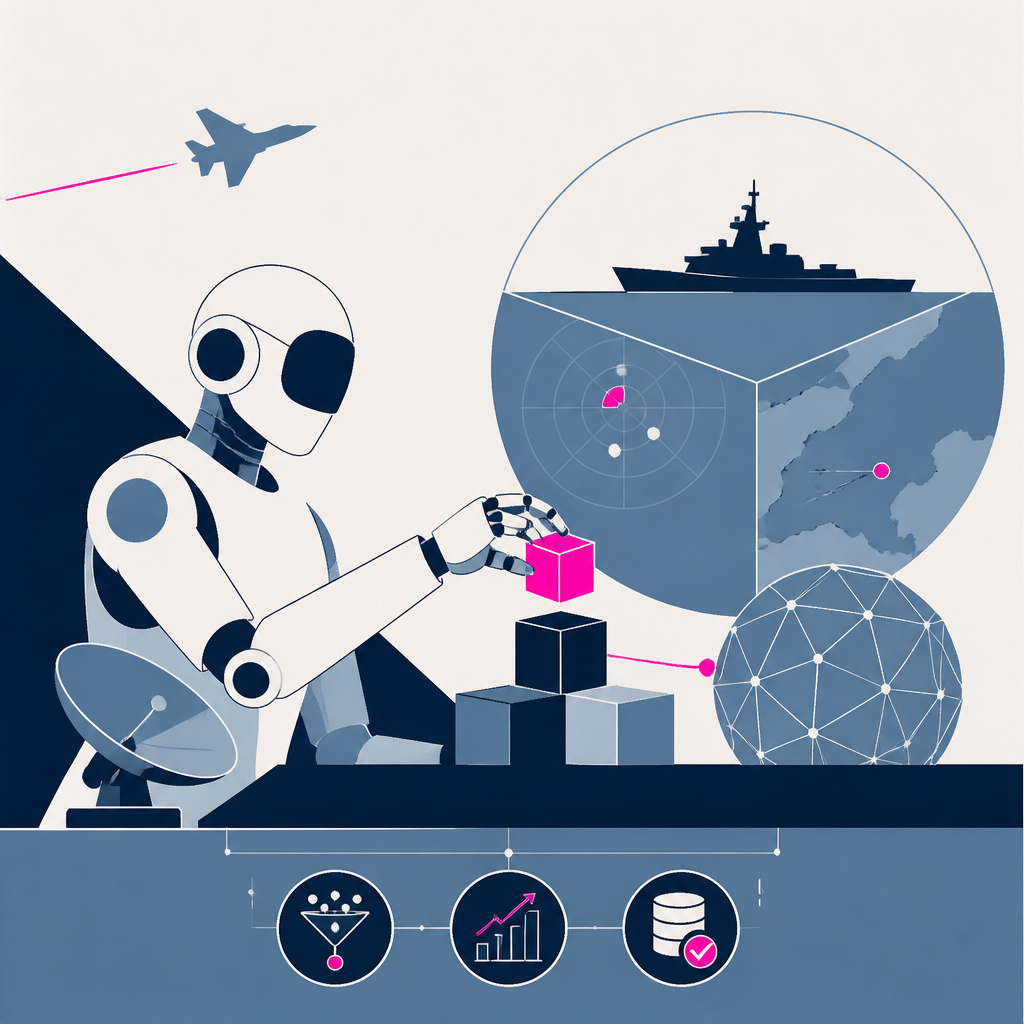 Sakana AI Wins Contract for Survey and Proof-of-Concept of AI Functions Needed for Comprehensive Analysis Work from the Ministry of Defense
Sakana AI ·
25
Sakana AI Wins Contract for Survey and Proof-of-Concept of AI Functions Needed for Comprehensive Analysis Work from the Ministry of Defense
Sakana AI ·
25
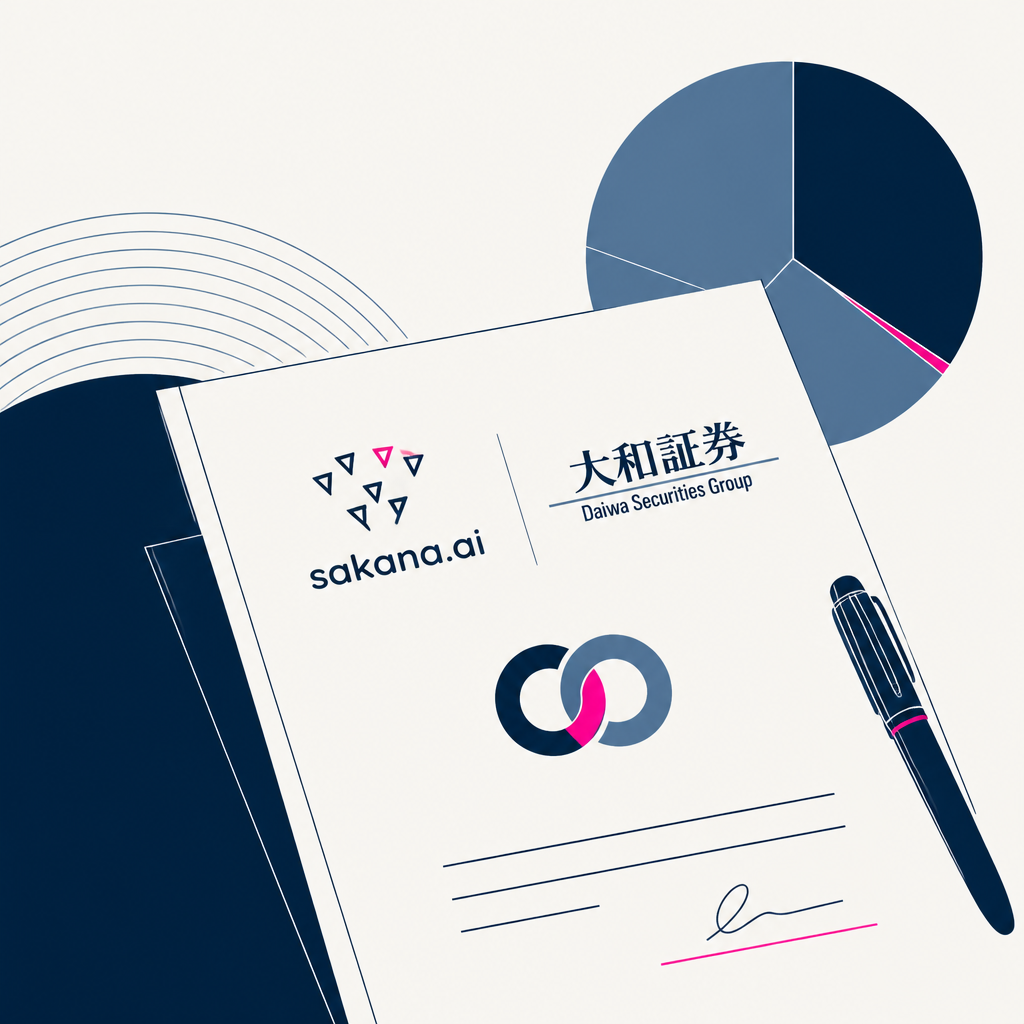 Sakana AI to Develop Advanced AI for Asset Consulting in Partnership with Daiwa Securities Group
Sakana AI ·
31
Sakana AI to Develop Advanced AI for Asset Consulting in Partnership with Daiwa Securities Group
Sakana AI ·
31
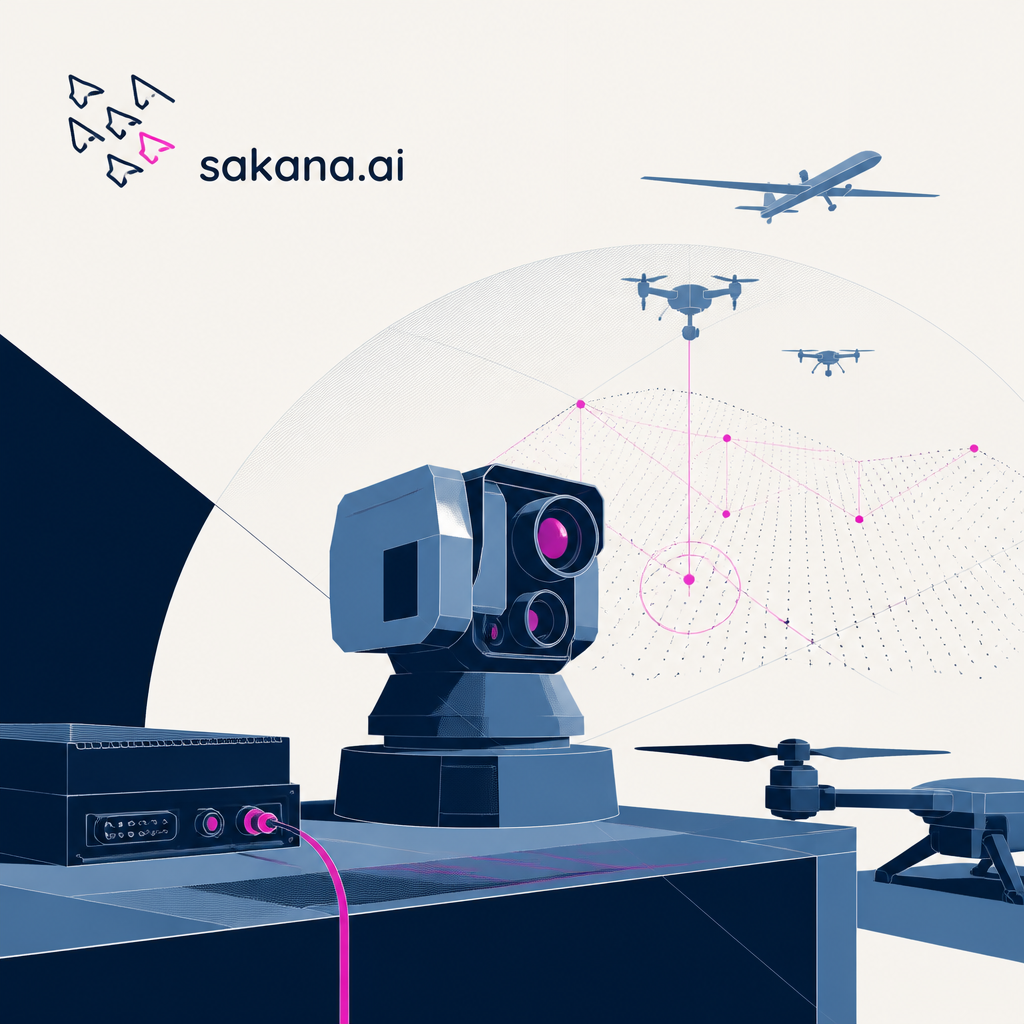 Frontline Development in Defense Sector: Sakana AI Software Engineer Interview
Sakana AI ·
12
Frontline Development in Defense Sector: Sakana AI Software Engineer Interview
Sakana AI ·
12