
Rabot Energy secures $50M to transform homes into a virtual power plant
Tech.eu Tamara Djurickovic
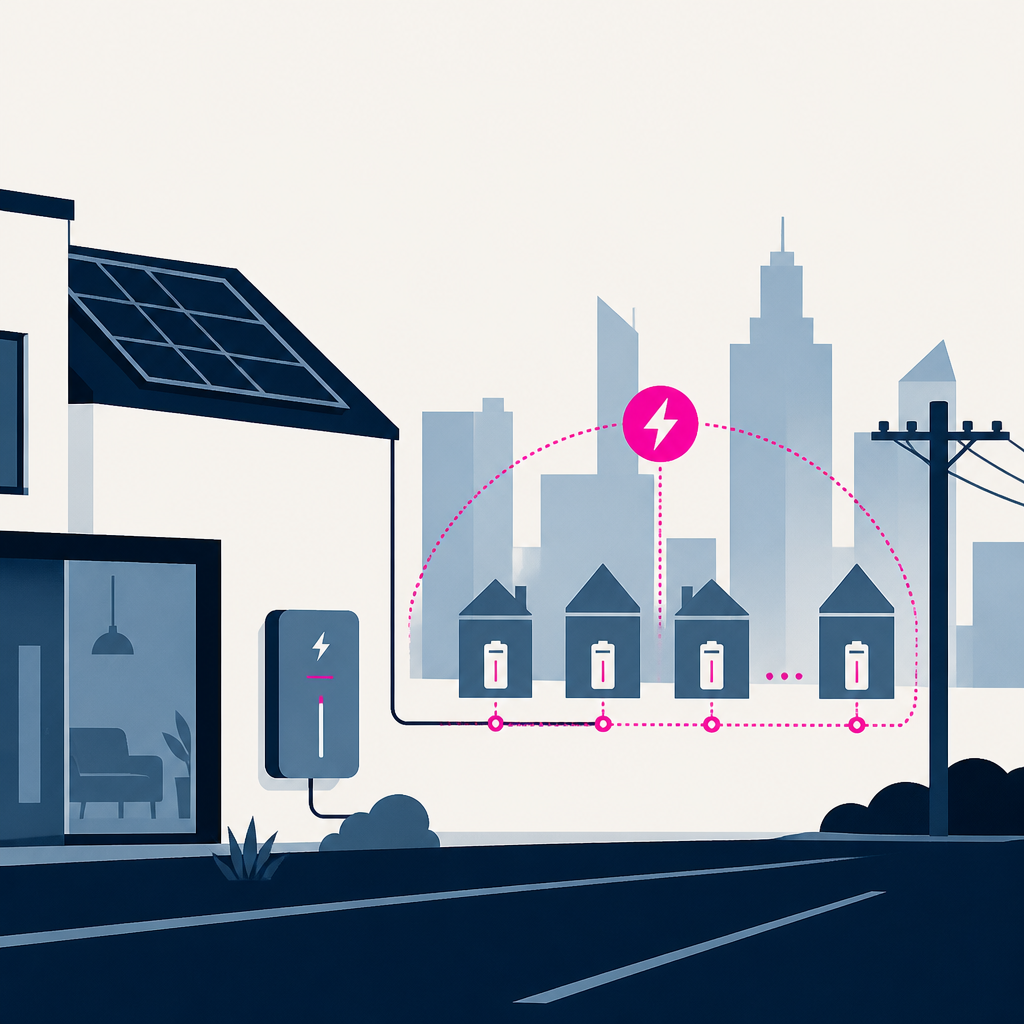
Rabot Energy raised $50 million to grow its smart-tariff platform. It wants homes to act like a virtual power plant, not just bill payers.
Based on reporting by Tech.eu, Tamara Djurickovic — read the original for the full story.
Summary, retelling and take written by AI under human oversight; images are AI-generated illustrations. How we work · Report an error
Rabot Energy has brought in $50 million in Series B funding as it pushes deeper into the idea that households can help run the grid, not just draw from it. The round was led by Endeit and the DeepTech & Climate Fonds, with support from existing backers including HV Capital, High-Tech Gründerfonds, Bosch Ventures, CNI, Acurio Ventures and vent.io.
The company’s core product is a dynamic electricity tariff that nudges consumption toward cheaper periods when renewable power is more available. It also links with home batteries, so electricity can be stored when generation is high and released later when supply is tighter. That is the real bet here: flexible demand, spread across many homes, can do some of the work that used to fall to bulky central infrastructure.
Rabot is already selling that idea through Rabot Flow, launched in June 2026. The package combines a dynamic tariff, a smart meter and a plug-and-play home battery, and the company says it can cut household energy costs by 15 per cent. The battery plugs into a standard socket, does not require rooftop solar and can be used by renters, which broadens the pitch beyond the usual owner-occupier crowd.
The next step is bigger still. Rabot is building a virtual power plant model that would coordinate connected home batteries across households, along with other devices such as electric vehicle chargers and heat pumps. In the company’s telling, the future power plant is not a single site but a network. That is also the logic behind its growth targets: Rabot says it has passed 200,000 customers in a little over three and a half years, including about 15,000 commercial and industrial clients, generated €200 million in revenue, and now wants to reach one million customers.
My take — AI-written commentary, not fact-checked reporting
Virtual power plants are one of those ideas that sound futuristic until you notice how much of the hardware already sits in people’s homes. The clever part is not the battery; it is making a million small decisions look like one useful system. That’s the sort of boring magic energy markets badly need.
Read more about this at: Tech.eu
Related stories
 Metris secures $5M to build a unified data layer for energy assets
Tech.eu · 3 weeks ago ·
33
Efficient Computer raises $97M at $650M valuation to cut AI’s power bill, from robots to data centres
Tech Funding News · 2 weeks ago ·
32
Metris secures $5M to build a unified data layer for energy assets
Tech.eu · 3 weeks ago ·
33
Efficient Computer raises $97M at $650M valuation to cut AI’s power bill, from robots to data centres
Tech Funding News · 2 weeks ago ·
32