Public brings AI trading agents to prediction markets with Kalshi tie-up
Fortune Camila Grigera Naón
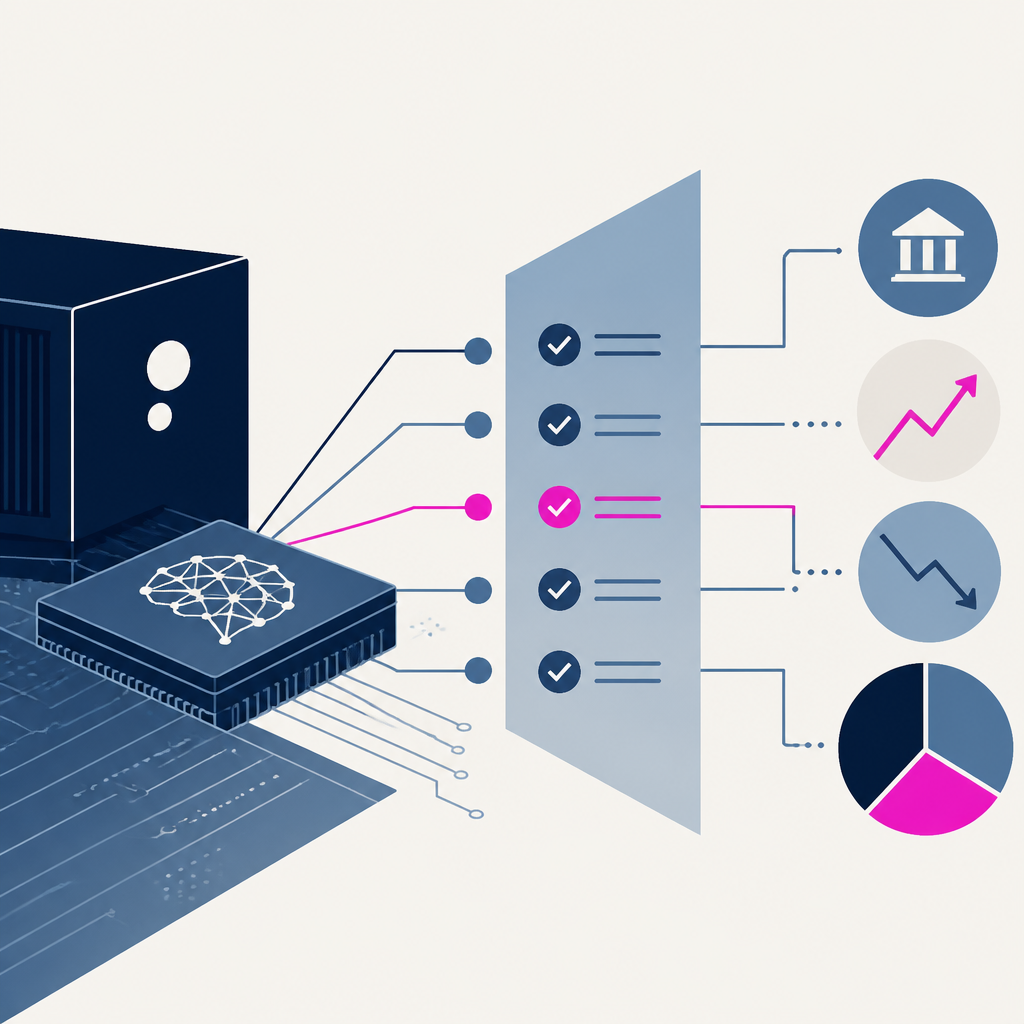
Public now lets AI agents trade prediction markets through Kalshi. It’s a push to make investing more automatic, and a lot less hands-on.
Based on reporting by Fortune, Camila Grigera Naón — read the original for the full story.
Summary, retelling and take written by AI under human oversight; images are AI-generated illustrations. How we work · Report an error
Public is folding prediction markets into its investing app. The New York company said Wednesday that users can set up AI agents to act on real-world events, either by trading those events directly or by using the market signal as input for a wider portfolio strategy.
The setup is meant to be simple on the surface and tightly boxed underneath. A user chooses a strategy, tells Public’s AI what they want, and the system turns that into fixed rules. Those rules can be as light as an alert when odds move, or as direct as an automatic buy or sell. Before anything runs, the investor has to approve the plan.
Public says the product is built for people tracking events that could affect their holdings, from Federal Reserve rate decisions to regulatory approvals to company metrics such as quarterly shipments. It is also trying to make a point about what an investing app should do: not just place trades, but shoulder more of the repetitive work that sits around them.
Kalshi is the partner that makes the whole thing possible. Public said the prediction market will supply the event contracts and handle the trades, while giving Public users access through its own platform. Leif Abraham, Public’s cofounder and co-CEO, described the pitch as AI agents doing work investors can’t always do while staring at a screen.
The move fits a broader push by Public to brand itself as an “agentic brokerage.” Founded in 2019 and backed by firms including Accel and Tiger Global, the company says it manages billions in assets across millions of users. It is aiming at self-directed investors, not people handing decisions to wealth managers, and it wants to stand apart from discount brokerages that mostly compete on price.
There is also a bigger market story underneath it. Agentic finance has been getting louder, especially in payments, with Visa, Mastercard and Stripe all building tools for AI agents. Prediction markets have been hot too, especially in the U.S. since the 2024 presidential election, with Kalshi and Polymarket drawing multibillion-dollar valuations and huge trading volumes.
My take — AI-written commentary, not fact-checked reporting
This is the cleanest use case for AI agents in finance: narrow rules, user approval, and no freewheeling robot cowboying around your account. The bigger trend is obvious too, because every company wants to be the layer that “handles” the boring part and quietly taxes your attention. The joke, of course, is that finance keeps inventing new ways to make old caution look innovative.
Read more about this at: Fortune