Preserving languages for the future
OpenAI
Iceland is teaming up with OpenAI, feeding GPT-4 its language to keep it alive online. With under 400,000 speakers, Icelandic risked getting drowned out by English in every chatbot and voice assistant.
Based on reporting by OpenAI — read the original for the full story.
Summary, retelling and take written by AI under human oversight; images are AI-generated illustrations. How we work · Report an error
Iceland has a language problem that most countries never have to think about: not enough people speak it for Silicon Valley to bother. Icelandic has roughly 370,000 native speakers, a rounding error next to English or Spanish, and that scarcity has quietly pushed the language toward the margins of the internet's biggest AI systems. So instead of waiting for that to become permanent, Iceland went to OpenAI directly.
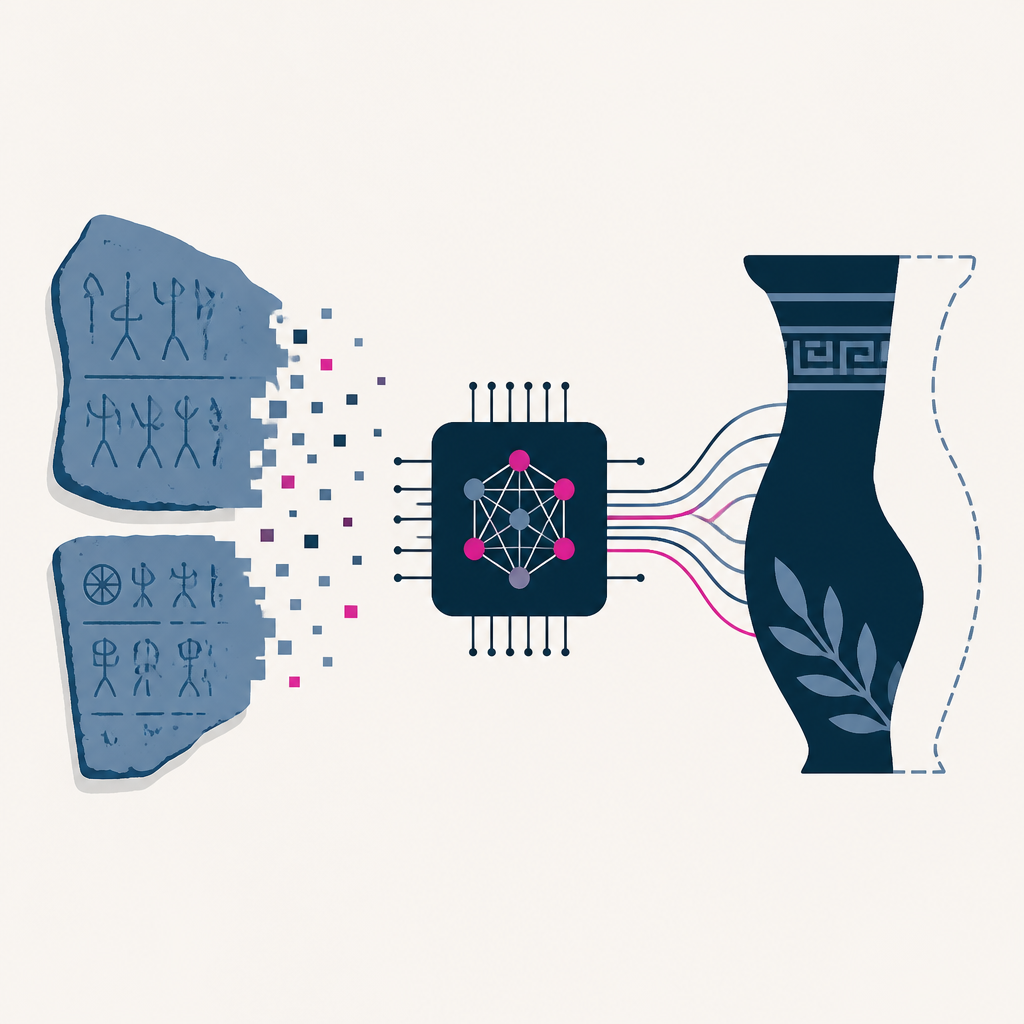
The partnership feeds Icelandic text and speech into GPT-4, training the model to actually understand the language's grammar, its odd compound words, its centuries-old vocabulary that resisted borrowing from other tongues the way English happily does. This isn't a translation layer bolted on top. It's an attempt to get the model fluent enough that Icelandic speakers get the same quality of AI assistance that English speakers take for granted, rather than a clumsy approximation.
What makes this interesting is the stakes involved. Iceland has spent decades fighting to keep its language from eroding under the weight of English media, tourism, and now AI assistants that default to English the moment a request gets complicated. Icelanders already worry their kids talk to Alexa and Siri in English because Icelandic support barely works. If every smart speaker, every customer service bot, every AI tutor speaks better English than Icelandic, the language slowly loses ground in daily life, not through any dramatic event but through a thousand small conveniences that push people toward the dominant language.
This effort is part of a broader Icelandic government push to digitize the language, an initiative that predates GPT-4 and has included building speech datasets and funding NLP research specifically because market forces alone were never going to prioritize a few hundred thousand speakers. Pairing that groundwork with OpenAI's models is a bet that language preservation now runs through AI training pipelines as much as through schools or literature.
Whether GPT-4's Icelandic actually holds up under real use, idioms, regional dialects, the language's notoriously complex case system, remains to be seen. But the attempt itself says something about where language survival battles are heading next.
My take — AI-written commentary, not fact-checked reporting
This is the kind of story that gets buried under bigger AI headlines but actually matters more long-term: small languages either get baked into these models early or they get flattened by default-English AI creeping into every device. I'd rather see ten more countries doing what Iceland just did than one more benchmark showing GPT-5 is 2% better at coding, because linguistic diversity doesn't survive on its own against convenience.
Read more about this at: OpenAI