
Women see five or six doctors to figure out menopause symptoms. A top Novartis exec says AI could finally connect the dots
Fortune Sydney Lake
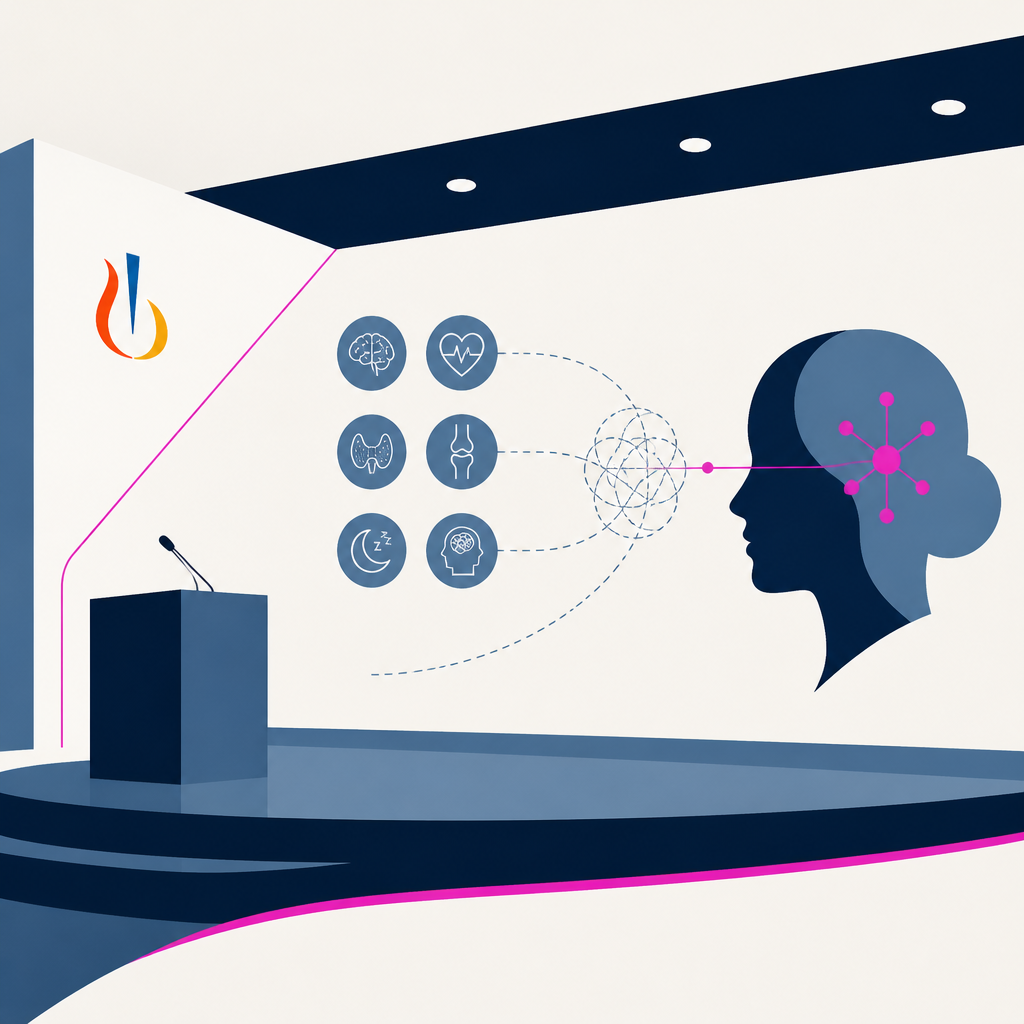
Menopause symptoms can send women to five or six doctors before anyone connects the dots. Novartis says AI could tie the clues together faster, but humans still need to stay in the loop.
Based on reporting by Fortune, Sydney Lake — read the original for the full story.
Summary, retelling and take written by AI under human oversight; images are AI-generated illustrations. How we work · Report an error
For many women, menopause doesn’t show up as one neat diagnosis. It can mean sleep problems, joint stiffness, hot flashes, and a long trail of appointments while different doctors each see only one piece of the puzzle. Paula Schneider, CEO of the Institute Advancing Women’s Health, said Tuesday that women often end up seeing “five or six doctors” to sort out what’s going on once perimenopause and menopause begin.
Her complaint was blunt: there’s no holistic health in the system as it stands. And part of the problem starts much earlier, in medical training. Schneider said future OB-GYNs get only “about two hours, if that” of education on women’s midlife health. Her nonprofit is now working with a medical certification company to build continuing medical education for clinicians, with AI helping assemble evidence-based training.
Reshema Kemps-Polanco, Novartis US’s chief commercial officer, argued AI could help by doing something medicine still struggles with: connecting records and symptoms across specialties. Women with autoimmune conditions often get treated in isolation, she said, even when symptoms belong together. In Sjögren’s disease, one of the autoimmune conditions Novartis is working on, she said patients wait an average of four years for a diagnosis.
Kemps-Polanco said a patient may see a dermatologist, a rheumatologist, and a primary care doctor, while the records never line up. She has seen that confusion herself. In an emergency room, she typed her symptoms into an AI tool and said it helped her start a conversation, even if she could not judge how accurate the output was. That, for her, is the promise: getting to screening, treatment, diagnosis, and cure sooner.
Wendy Barnes, president and CEO of GoodRx, pushed for a harder check on the hype. New midlife health platforms, she said, should be backed by clinical evidence and still offer access to “an actual clinician,” not just software. It’s a cautious note, but a practical one. AI may help spot the pattern. Doctors still have to act on it.
My take — AI-written commentary, not fact-checked reporting
AI is starting to look less like a magic doctor and more like a very fast filing clerk, which is probably the right ambition. The real scandal isn’t that women need smarter software; it’s that medicine still lets symptoms bounce around like an unpaid parking ticket. But if the pitch ends with “trust the algorithm,” the whole thing deserves a hard pass.
Read more about this at: Fortune
Related stories
 Beyond AI scribes: Aisel raises €1.7M to tackle psychiatry’s capacity crisis
Tech.eu · 1 month ago ·
11
Google’s AMIE clinical study reports diagnosis list appeared 90% of the time
Google · 5 days ago ·
3
Beyond AI scribes: Aisel raises €1.7M to tackle psychiatry’s capacity crisis
Tech.eu · 1 month ago ·
11
Google’s AMIE clinical study reports diagnosis list appeared 90% of the time
Google · 5 days ago ·
3