Introducing GPT-Live
OpenAI ● Covered by 6 sources
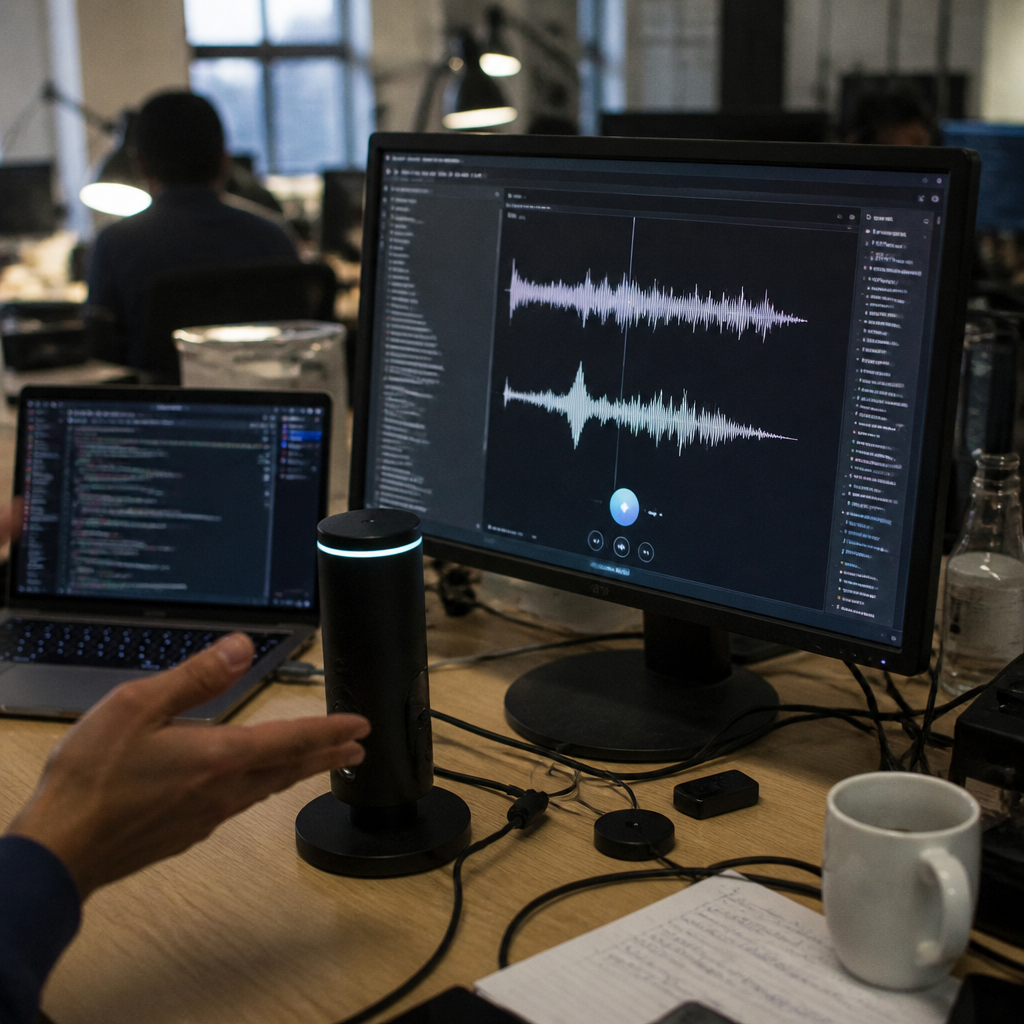
OpenAI dropped GPT-Live, voice models built for real back-and-forth talk, not the walkie-talkie style we're used to. It can listen and speak at the same time, so it might finally stop cutting you off mid-sentence.
Based on reporting by OpenAI — read the original for the full story.
Summary, retelling and take written by AI under human oversight; images are AI-generated illustrations. How we work · Report an error
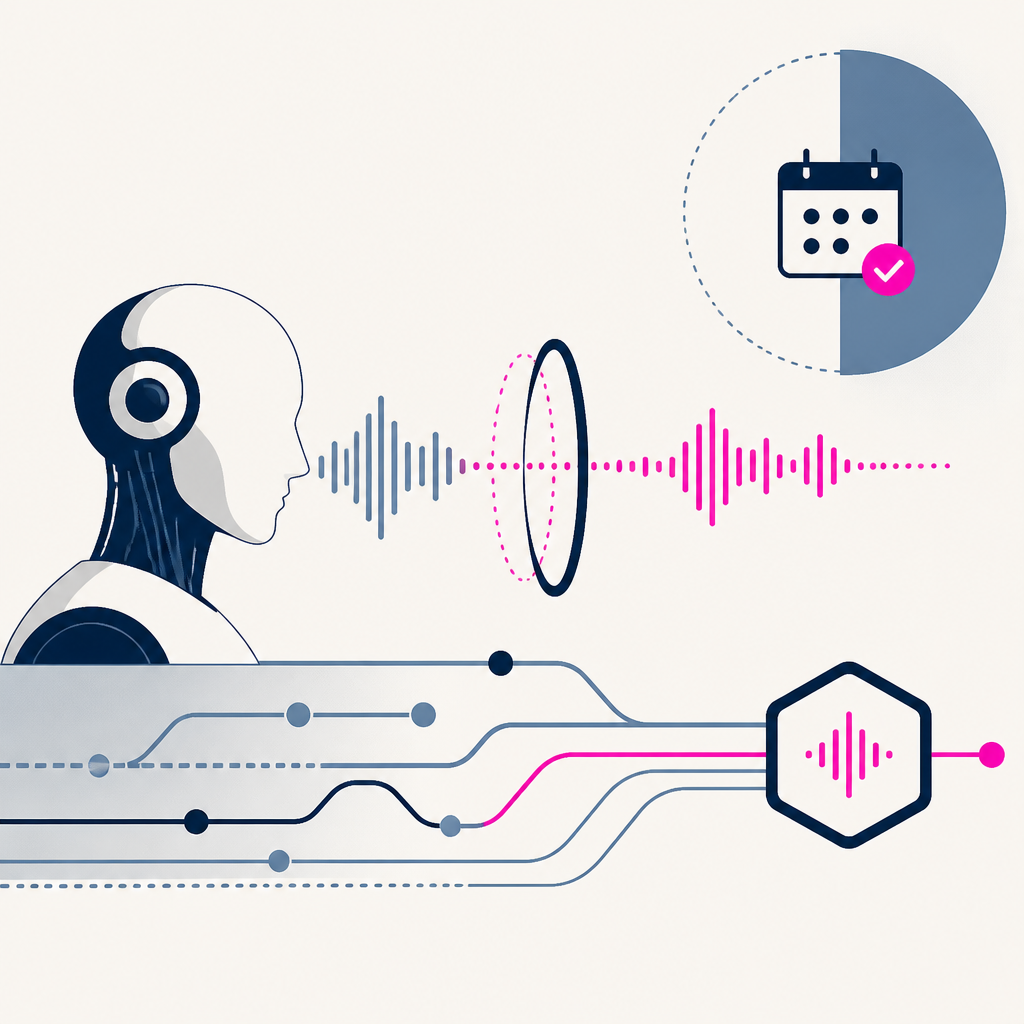
Every voice assistant you've used so far has basically worked like a CB radio: you talk, then it talks, and if you both go at once things break. GPT-Live is OpenAI's attempt to kill that dynamic for good. The new models run on a full-duplex setup, meaning the system can process incoming audio and generate speech output at the same moment, rather than waiting politely for its turn.
That sounds like a small engineering tweak, but it's the difference between a conversation and a transaction. Humans interrupt, overlap, and backchannel constantly — little "mm-hmm" and "yeah" moments that keep a chat feeling alive. Voice bots that can't do that end up sounding like customer service scripts, no matter how good the underlying language model is. OpenAI is betting that duplex audio is the missing piece, not smarter text generation.
The timing lines up with a broader shift happening across the industry this year, where several labs have been racing to make voice interfaces feel less like dictation software and more like talking to a person. GPT-Live is OpenAI's specific answer to that push, and it's aimed squarely at products where latency and turn-taking actually matter — voice agents, live customer support, maybe even something closer to a phone call with an AI than a chat window.
What's still unclear from the announcement is how this holds up outside a demo. Full-duplex audio is notoriously hard to get right at scale; overlapping speech recognition and generation in real time introduces a lot of ways for things to go wrong, from garbled interruptions to the model talking over a user who's mid-thought. OpenAI is framing this as a foundational shift in how voice AI works, and if the latency numbers hold once developers get their hands on it, that framing might actually be earned.
My take — AI-written commentary, not fact-checked reporting
I'll believe the natural-conversation pitch once I've used it somewhere other than a controlled OpenAI demo video — full-duplex audio has been the industry's white whale for years, and everyone who's tried it has run into the same overlapping-speech mess. Still, if any lab has the compute and data to actually pull off real-time turn-taking, it's the one that already trained Whisper and the GPT-4o voice stack. Cautiously curious, not sold yet.
Read more about this at: OpenAI