
Emily Bender Sets the Record Straight on “Stochastic Parrots”
IEEE Spectrum Gwendolyn Rak
Emily Bender, lead author of the 2021 paper "On the Dangers of Stochastic Parrots," clarified common misconceptions about the work in a recent blog post marking its five-year anniversary. The original paper specifically addressed risks of large language models producing synthetic text, not artificial intelligence broadly, and the "stochastic parrot" metaphor was descriptive rather than insulting. Bender emphasized that clearer technical language is needed for informed discussions about technology regulation and deployment, and noted the paper should have covered exploitative labor practices and intellectual property theft underlying these systems.
Why it matters
In March 2021, a group of four researchers—a collaboration of linguists and computer scientists—published their now legendary paper “On the Dangers of Stochastic Parrots: Can Language Models Be Too Big? 🦜” The paper received significant attention at the time (in part because Google fired two of the authors, Timnit Gebru and Margaret Mitchell, shortly before its publication). It argued that large language models (LLMs) generate text by statistically predicting likely sequences of words rather than understanding what they are saying—a process the authors captured with the metaphor of a “stochastic parrot,” a system that repeats patterns without comprehension. And over the past five years, the analogy has spread well beyond the academic field where it originated, spawning debates and inspiring projects such as a shoulder-mounted robot named the Stochastic Parrot. But that wider usage has also led to misconceptions about what the phrase originally meant. Lead author Emily M. Bender, a prof
Related stories
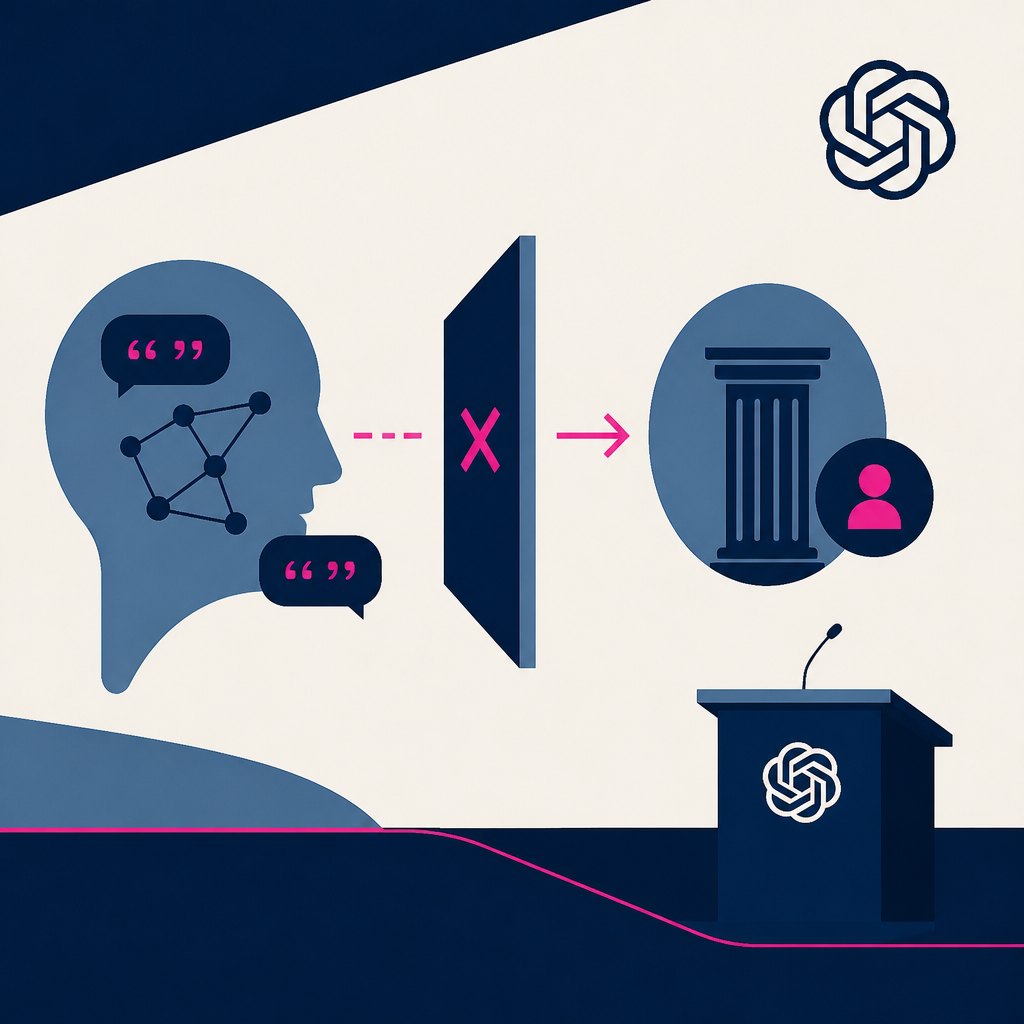 “Going rogue”: Is it time to stop talking about faulty AI frontier models as if they are people?
Fortune ·
24
“Going rogue”: Is it time to stop talking about faulty AI frontier models as if they are people?
Fortune ·
24