
College grads shut out of AI-exposed majors since 2022 are ending up in retail and food service instead of the white-collar jobs they studied for
Fortune Catherina Gioino
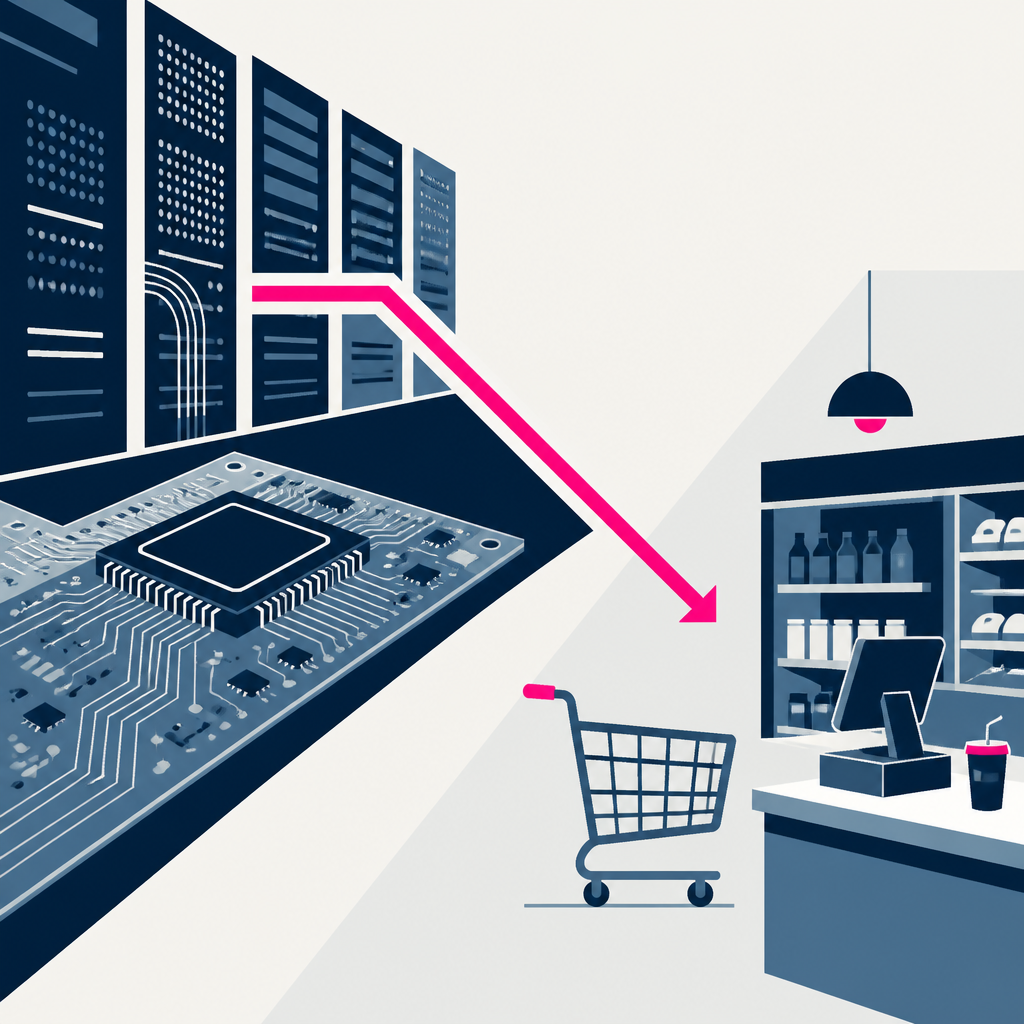
AI-hit majors lost the entry-level jobs they were aimed at, and many new grads are ending up in retail and restaurants. The market turned fast after ChatGPT; students noticed much later.
Based on reporting by Fortune, Catherina Gioino — read the original for the full story.
Summary, retelling and take written by AI under human oversight; images are AI-generated illustrations. How we work · Report an error
ChatGPT arrived in late 2022, and the first thing to go was not the whole tech job market but the lowest step on the ladder. Two Census Bureau papers show that new graduates with computer science and other AI-exposed majors are finding fewer white-collar openings and more work behind counters, in dining rooms, and in retail.
One April 2026 paper followed matched employer-employee records and found that hiring of workers ages 22 to 24 fell sharply in industries most exposed to AI. Hiring in less-exposed industries stayed steady. Over the ten quarters after ChatGPT’s release, employment for early-career workers in the most exposed fifth of industries dropped 12%. Lee Tucker, one of the authors, said the main driver was a collapse in hiring, not a wave of people getting laid off from jobs they already had.
That hit hardest where you’d expect: software and information technology. The second paper, released last week and also coauthored by Tucker, tracked graduates from the most AI-exposed decile of college majors. Their odds of having a job one quarter after graduation fell by five percentage points, and their initial full-quarter earnings dropped 13% after ChatGPT arrived. That kind of pay hit is usually associated with a severe recession. Here, the rest of the labor market was mostly fine.
The ugly part is what that pay cut looks like in real life. About half the earnings loss came from graduates taking lower pay in industries that still hired them. The other half came from moving into different fields altogether, especially lower-wage work in restaurants and retail. So the computer science graduate who once would have been slotted into an entry-level software job ends up ringing up groceries or bussing tables instead.
Hiring has recovered somewhat. The earlier paper says job volumes were mostly back by early 2025, but from a smaller base, so the opening was only partial. The pain also lingers: the more recent paper says the employment and earnings gaps shrink over time but stay meaningful for the most exposed majors. And the student response came late. Undergraduate computer science enrollment fell 8.4% in spring 2026 from a year earlier, after a 3.6% drop the previous fall, while Goldman Sachs said computer science and computer programming enrollment each fell more than 10% in the 2025-26 academic year. The broader bad-news backdrop is not limited to tech, either: the New York Fed put recent-graduate underemployment at 42% in the second quarter of 2026, and a separate analysis found 52% of graduates were in jobs that don’t require a degree within a year of leaving school.
My take — AI-written commentary, not fact-checked reporting
This is what labor-market disruption looks like before the PowerPoints catch up. Companies get the productivity upside, new grads eat the downside, and then everyone acts surprised when computer science enrollment finally bends. The real tell is that the first warning came from hiring data, not from students.
Read more about this at: Fortune
Related stories
 AI is hitting entry-level jobs hardest, Stanford study finds
Ars Technica · 4 weeks ago ·
26
AI is hitting entry-level jobs hardest, Stanford study finds
Ars Technica · 4 weeks ago ·
26
 ChatGPT said you'd lose your jobs right now — it's more like 3% of workers
Fortune ·
40
ChatGPT said you'd lose your jobs right now — it's more like 3% of workers
Fortune ·
40
 The betrayal behind the data-center backlash: AI promised to break the rules of class but is just rewarding them so far
Fortune ·
10
The betrayal behind the data-center backlash: AI promised to break the rules of class but is just rewarding them so far
Fortune ·
10