Asia’s founders are going global faster, sometimes even before they're sure what their business is, says Stripe's SEA MD
Fortune Angelica Ang

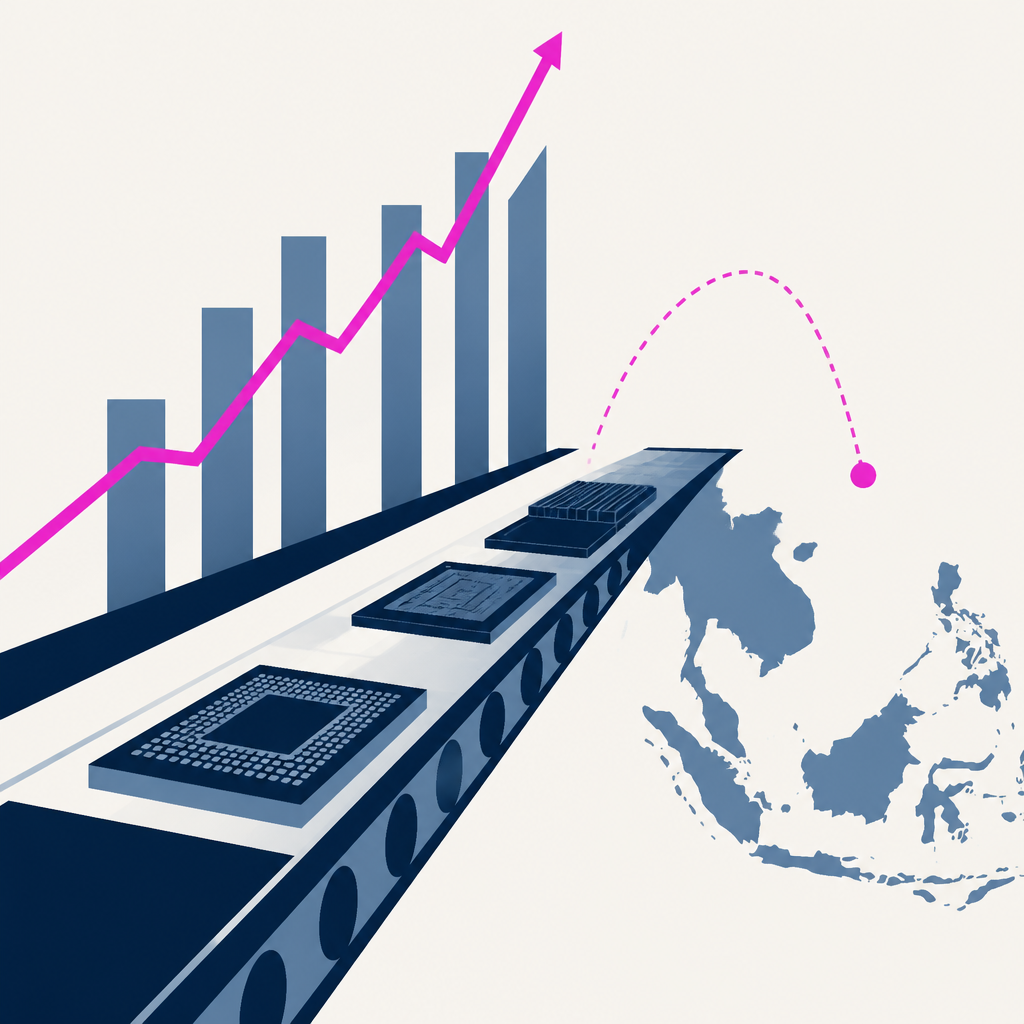
Asian founders are going global faster, Stripe says, sometimes before the business is fully settled. That’s forcing payment tools to catch up across a very fragmented region.
Based on reporting by Fortune, Angelica Ang — read the original for the full story.
Summary, retelling and take written by AI under human oversight; images are AI-generated illustrations. How we work · Report an error
Asia’s startup playbook is changing, and Stripe says the pace is the big story. Sarita Singh, who leads the company’s Southeast Asia, Greater China and South Korea business, says founders across the region are now pushing hard to find customers beyond their home markets instead of perfecting a local setup first.
That’s a break from the slower pattern Singh describes: build for one country, refine the product, then expand step by step while stitching together local banking ties along the way. Now the order is different. Growth comes first, and the cross-border machinery has to keep up.
AI-native companies are making that shift even more obvious. A 2025 study found the top 100 AI companies on Stripe reached a median of 11.5 months to annualized revenue of $1 million, four months faster than the quickest SaaS firms during the subscription boom. The money is coming sooner. The rollout is, too.
But Asia is a tough place to scale payments quickly. Singh calls the region one of the world’s most fragmented ecosystems, with different countries and very different buying habits. To deal with that, Stripe on Tuesday announced partnerships with Samsung Pay, Touch ’n Go, ShopeePay, GCash and TrueMoney, so businesses on its platform can accept cross-border payments through those local providers.
Stripe is also leaning into the agentic economy, where AI agents make purchases on a user’s behalf. Last December, it launched the Agentic Commerce Suite, which uses shared payment tokens so agents can pass buyer credentials securely to merchants. Coach, Kate Spade, Etsy and Halara are among the early users, while Visa and Mastercard are making their own bets on the same shift. Singh says it is still early, though, and Stripe is trying to help companies avoid rebuilding their systems twice.
My take — AI-written commentary, not fact-checked reporting
This is the right instinct: don’t wait for the future to become obvious before wiring up the rails. The fun part of AI commerce is the demo; the boring part is payments, and boring usually wins. Stripe is betting that the people who build for the mess now will save themselves a nasty rewrite later.
Read more about this at: Fortune