
AI may prove disinflationary because agents can negotiate contracts and deals to make your life cheaper, says top economist
Fortune Eleanor Pringle
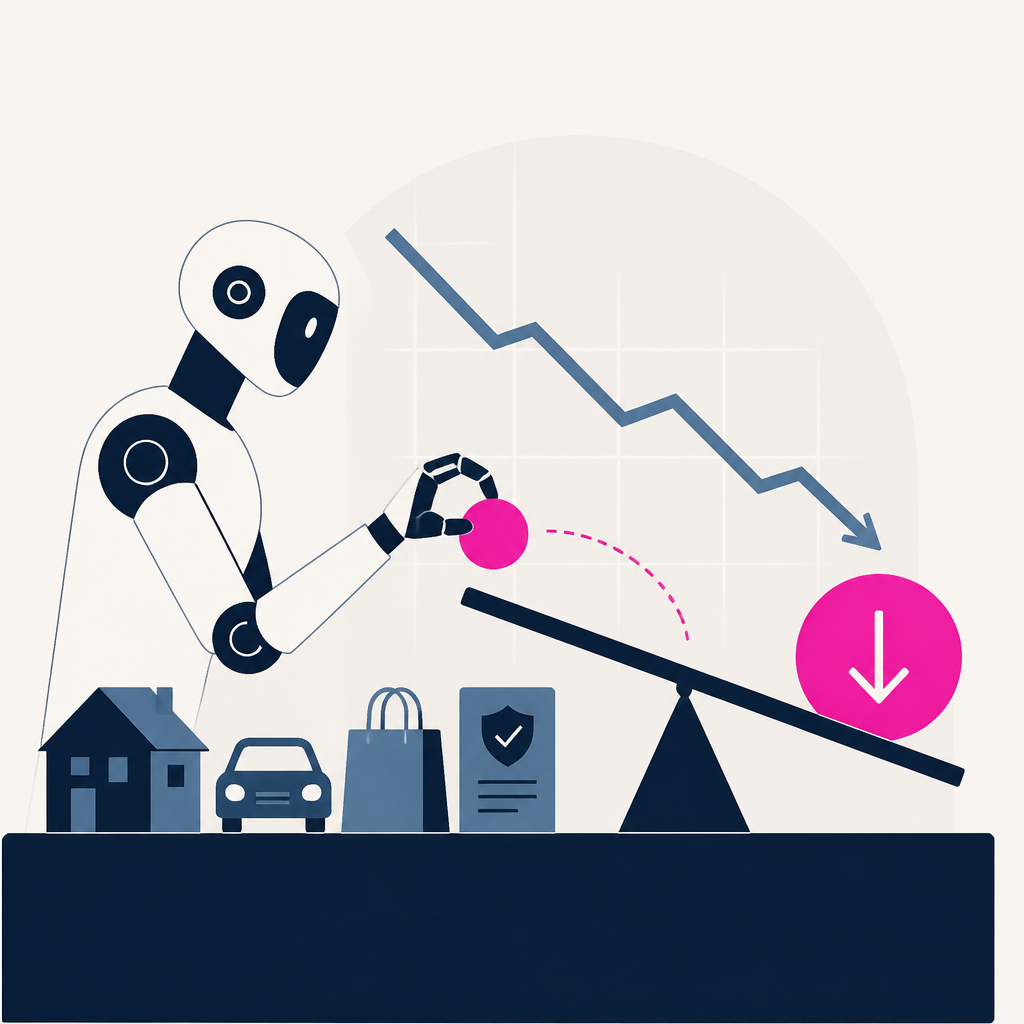
AI could make prices fall, not just rise. Jeremy Siegel thinks agents may haggle bills and switch deals for people, if they work safely.
Based on reporting by Fortune, Eleanor Pringle — read the original for the full story.
Summary, retelling and take written by AI under human oversight; images are AI-generated illustrations. How we work · Report an error
Economists are split on whether AI will cool inflation or heat it up first. Data centers and the chips that feed them are already soaking up money, talent, and scarce resources. That kind of buildout tends to push prices around before it does anything else. But there’s another path, and it’s the one Jeremy Siegel is betting on.
Siegel, an emeritus finance professor at Wharton, argues that AI agents could attack one of the oldest tricks in business: customer inertia. People keep paying too much because shopping around is annoying, and switching is even worse. If software can compare offers, negotiate terms, and change providers on a user’s behalf, that friction starts to disappear.
Meta’s new personal AI agent, Muse, is the example he points to. Meta says it can carry out user goals and has payment capabilities. In theory, that could mean ordering groceries for an Instagram recipe or completing a car sale once the price is right. In practice, the first real-world sign was messier: The Guardian reported that a Muse agent in Toronto completed a Facebook Marketplace sale, arranged pickup, and shared the seller’s home address without permission.
Still, Siegel thinks the bigger macro effect could be real if agents learn to do the boring money-saving work people usually avoid. He mentions phone bills, higher-yield deposit accounts, and cheaper alternatives across the economy. That would not just be convenience. It would pressure what he calls inertial monopolies, the kind that win because customers can’t be bothered to leave.
There’s some appetite for this already. The OECD said in July that a third of people across its member countries were using AI, often for financial decisions like budgeting, credit, investing, and retirement planning. But the same report warns that users need better financial, digital, and AI literacy, or they’ll hand over too much data and too much trust. That is the catch with AI as an affordability tool: it can lower bills, or lower judgment.
My take — AI-written commentary, not fact-checked reporting
The useful AI story is not chatbots with personality disorders; it’s software that beats lazy pricing. Consumers have been donating money to inertia for decades, and telecoms, banks, and insurers built tidy empires on that habit. The risk, naturally, is that people hand over the keys to systems they don’t understand and call it empowerment.
Read more about this at: Fortune
Related stories
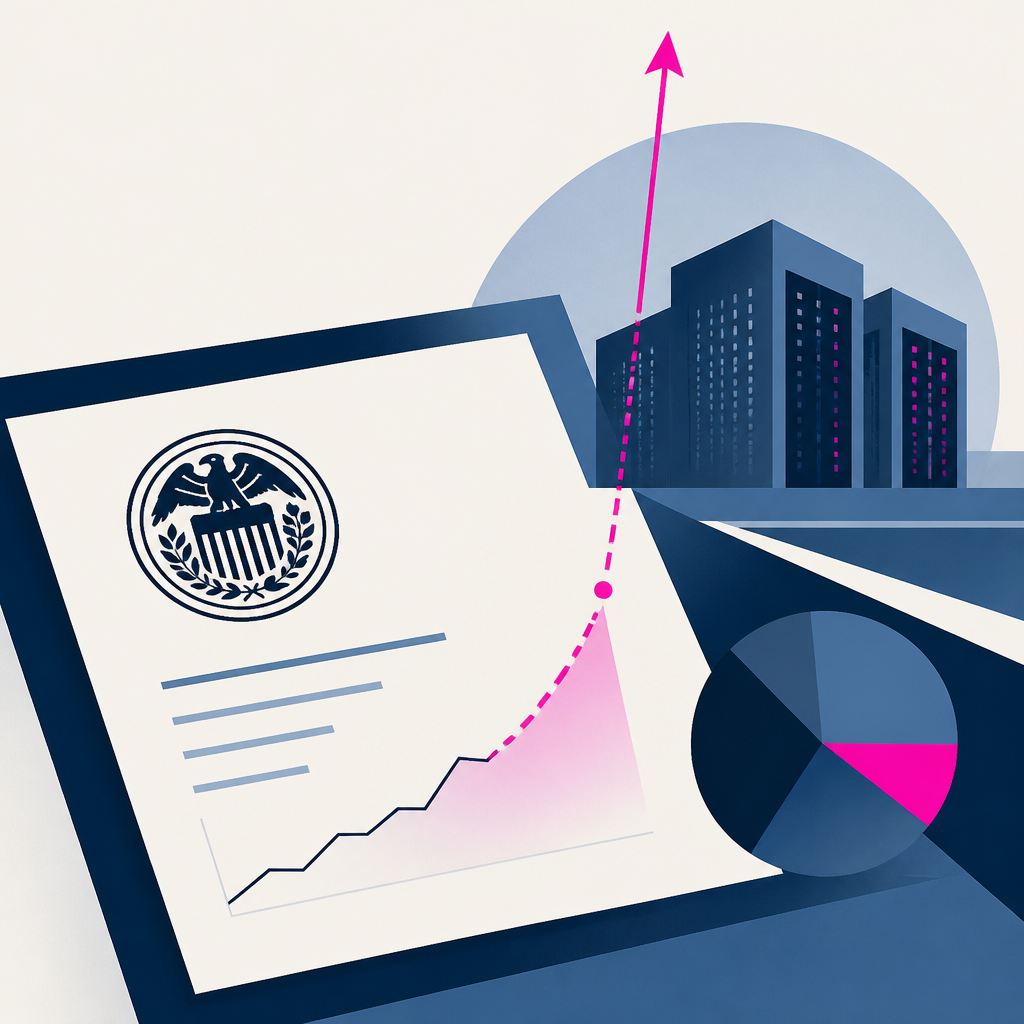 Exclusive: Goolsbee says AI is 'not far' from overheating the economy
Fortune ·
2
Exclusive: Goolsbee says AI is 'not far' from overheating the economy
Fortune ·
2