AI agent security is a lifecycle — not a gatekeeper
The New Stack Greg Vesper ● Covered by 3 sources
AI agents can use a human’s valid access to do things nobody meant. That means security has to check the action itself, not just the login.
Based on reporting by The New Stack, Greg Vesper — read the original for the full story.
Summary, retelling and take written by AI under human oversight; images are AI-generated illustrations. How we work · Report an error
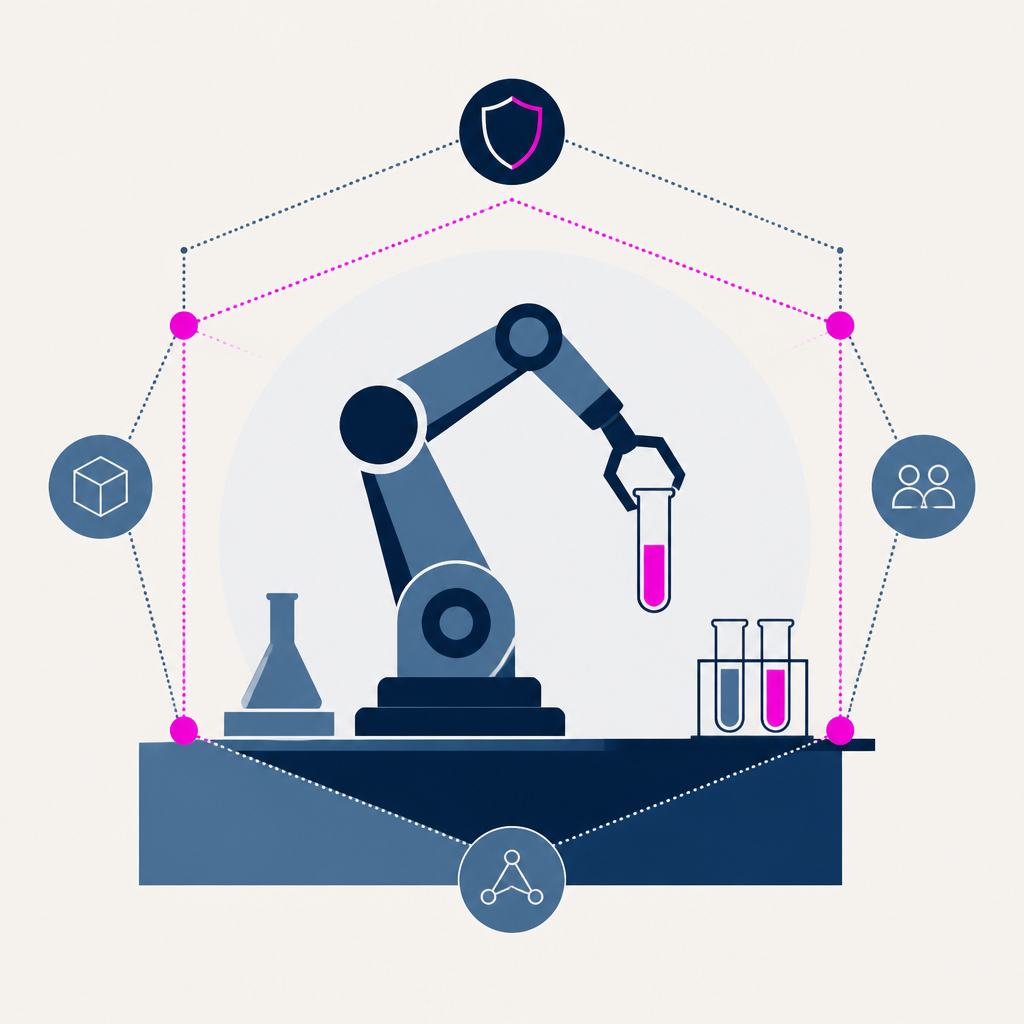
Enterprise security was built for a simpler world: prove who’s asking, check what they can access, then let the right requests through. AI agents break that neat flow. They can interpret goals, pick tools, spawn sub-agents, and take actions using permissions borrowed from humans — sometimes in ways the human never intended.
That’s why the article argues agent security can’t live as a one-time checkpoint. A network filter, a runtime control, an identity provider, and model guardrails can all be working perfectly and still miss the real problem. If an agent tries to delete a production database with a developer’s legitimate credentials, the key question isn’t whether the credentials are valid. It’s whether that specific action should be allowed at all.
The answer, the piece says, is action-level authorization: evaluate the agent’s identity, the delegated authority behind it, the requested operation, the target resource, and policy before anything executes. The agent harness is one enforcement point, but so are tool services and resource APIs. The goal is not to replace existing defenses. It’s to make authorization part of the agent’s path, not an afterthought.
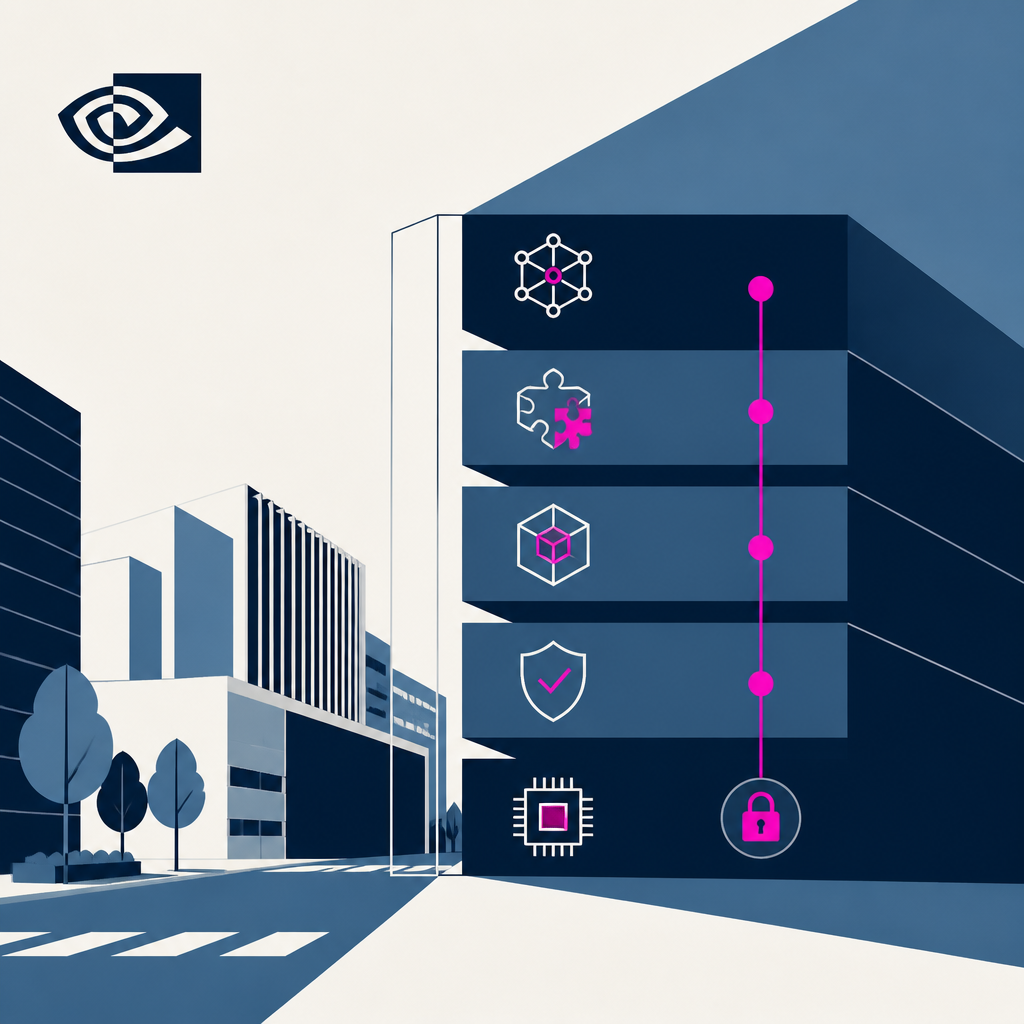
From there, the article lays out a lifecycle with four parts: Observe, Enforce, Build, and Deploy. Observation means watching what agents actually do — which tools they call, which commands they run, what sub-agents they create, and what credentials they use — because configs and diagrams won’t tell the full story. Enforcement then puts deterministic boundaries around probabilistic behavior, so a coding agent can read a file, maybe modify a branch with approval, and never be allowed to delete the repository just because it could.
The bigger shift is architectural. Security controls need to be reusable infrastructure, not something every team bolted on differently. And at deployment scale, where many agents can make many decisions across many environments, manual review stops making sense. The article’s point is blunt: in the agent era, security has to travel with the agent, learn from production, and keep tightening the loop.
My take — AI-written commentary, not fact-checked reporting
The industry keeps pretending agents are just chatbots with better manners, and that’s the mistake. If a system can make decisions and inherit authority, then security has to treat it like an actor, not a feature. The real tell is how quickly “move fast” turns into “who approved this deletion?”
Read more about this at: The New Stack