Agora Labs raises €4.3M to expand clinical data infrastructure for medical research
Tech.eu Tamara Djurickovic

Agora Labs raised €4.3M to expand its hospital data network. It lets researchers use clinical data without pulling patient records out of hospital systems.
Based on reporting by Tech.eu, Tamara Djurickovic — read the original for the full story.
Summary, retelling and take written by AI under human oversight; images are AI-generated illustrations. How we work · Report an error
Agora Labs has closed a €4.3 million round led by P101 SGR, with backing from the Mussetto family through Infinite Five. The Italian deeptech company was founded in Rome by Davide Zaccagnini, a vascular surgeon and biomedical informatician, and Fabio Giulietto, an engineer.
Its pitch is straightforward, even if the plumbing behind it is not: hospitals sit on huge amounts of clinical data, but the information is scattered across systems and often trapped in messy formats. Agora Labs says it can standardise that data inside the hospital itself, without moving it outside the institution’s own systems.
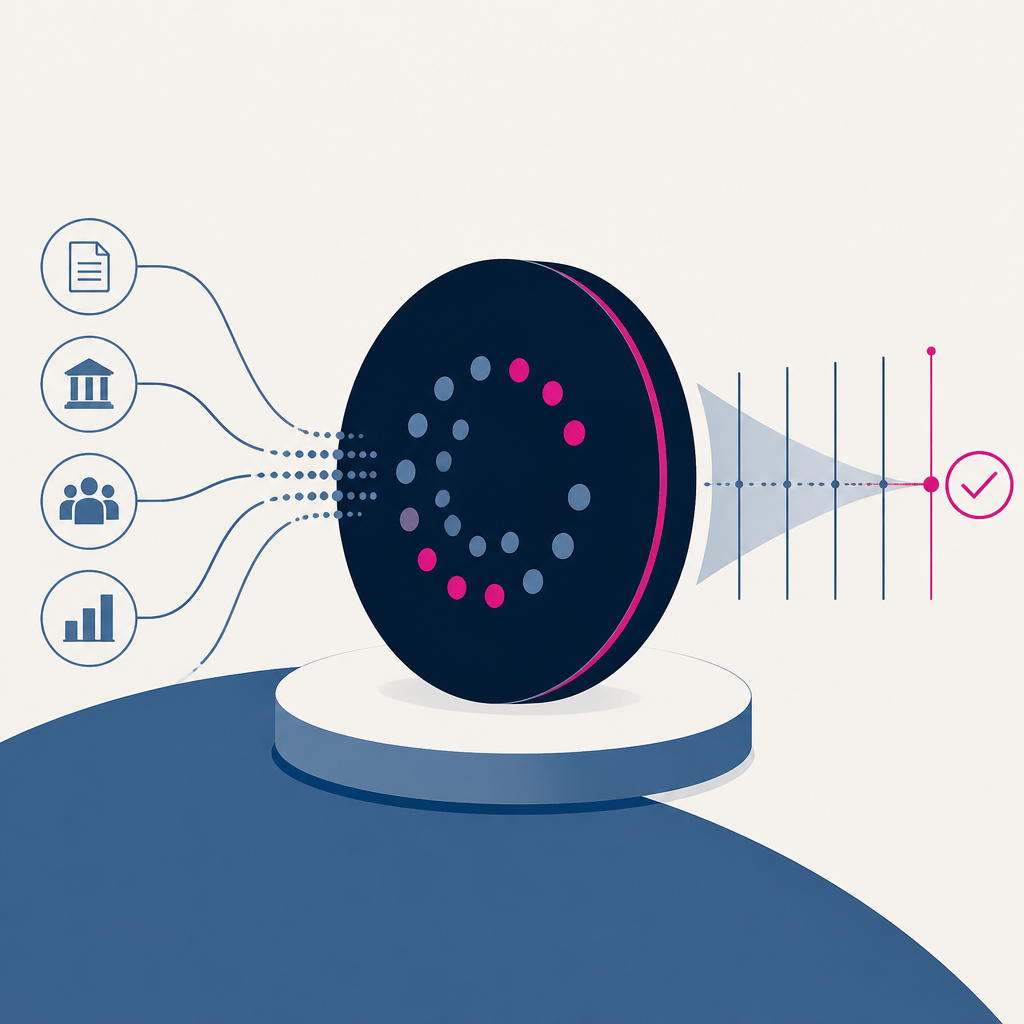
The setup relies on dedicated computing nodes installed at participating healthcare facilities, with GPUs supplied by NVIDIA. Specialised large language models structure the data, anonymisation protects patient information, and federated AI links hospitals so research centres and pharmaceutical companies can run studies across multiple sites without directly touching patient records.
That same network can also train and validate AI models locally, while only outputs and inferences are shared. The company says this gives healthcare institutions more control over their data while still opening the door to research across larger patient groups in different countries.
Agora Labs already works with 50 healthcare facilities internationally and wants to double that footprint in the coming months. The new money is meant to speed up that expansion, support larger international research projects, and strengthen its presence in Europe and the US, while it also looks toward the Middle East and India. It plans to hire about 20 technical and commercial staff to help make that happen.
My take — AI-written commentary, not fact-checked reporting
This is the kind of AI story that actually matters: boring infrastructure, real constraints, and a clear reason for hospitals to care. The industry loves flashy model demos; data access and privacy are where the grown-up work lives. Fancy dashboards are cheap. Trust and integration are the expensive part.
Read more about this at: Tech.eu