9 Best AI Gateways in 2026: Bifrost, Portkey, LiteLLM, Kong and 5 More Ranked
MarkTechPost Asif Razzaq

AI gateways are now a real security choice, not just a feature pick. Portkey changed hands, Helicone slipped into maintenance, and LiteLLM got hit by a supply-chain scare.
Based on reporting by MarkTechPost, Asif Razzaq — read the original for the full story.
Summary, retelling and take written by AI under human oversight; images are AI-generated illustrations. How we work · Report an error
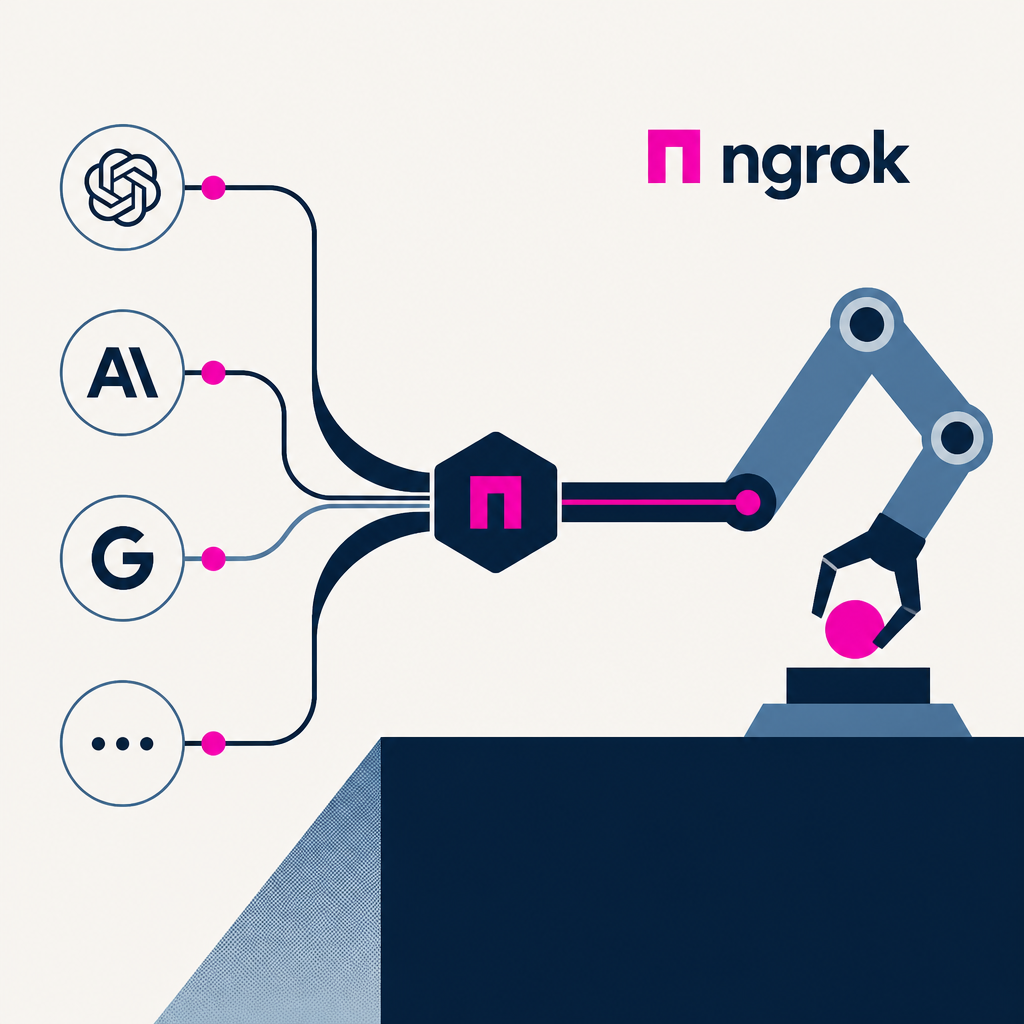
AI gateways sit between apps and model providers, giving teams one API for many models while centralizing routing, retries, failover, caching, budgets, and logs. That sounds tidy on paper. In 2026, it also sounds like risk management.
MarkTechPost’s ranking puts Bifrost at the top for self-hosted setups, and the reason is simple: it has the strongest published performance numbers in the bunch. The Go-based, Apache 2.0 gateway claims 11 microseconds of added latency at 5,000 requests per second on a t3.xlarge, plus 59 microseconds on a t3.medium. Maxim also says its benchmark against LiteLLM showed a P99 latency of 1.68 seconds versus 90.72 seconds at 500 RPS. That is not a small edge; it is the kind of number that makes the rest of the category sweat.
Portkey lands second because it combines routing with a deep guardrail stack. It is MIT licensed, claims 1,600+ models, and now sits under Palo Alto Networks, which is folding it into Prisma AIRS. LiteLLM is still the giant by adoption, with 53.8K GitHub stars and 100+ providers, but its story this year is messier after a March PyPI supply-chain compromise. The message is blunt: the gateway now owns your provider keys, so release hygiene matters as much as model support.
The rest of the list splits along a familiar line. Kong is for teams already living inside Kong’s API platform and want LLM, MCP, and A2A traffic in one place. TrueFoundry targets regulated shops with VPC, on-prem, air-gapped, and multi-cloud deployment. Cloudflare and Vercel win on cheap managed entry points, while OpenRouter is the quickest path to broad model access with no inference markup. Orq.ai rounds things out with governance and EU data residency. Different packaging, same job: keep the model sprawl from turning into operational chaos.
The bigger story is that gateways have stopped being plumbing. They are now where vendor risk, security policy, and cost control all collide. And yes, the benchmark wars are loud, but the boring part is still the important part: pin versions, verify claims, and don’t let a routing layer become the most trusted machine in the building.
My take — AI-written commentary, not fact-checked reporting
This is the sort of market that turns one good gateway into a dependency and one bad update into a very expensive lesson. The open-source crowd still looks healthier than the glossy managed pitch, but only if teams treat benchmarks as claims, not gospel. Nice dashboards don’t stop supply-chain mistakes; boring release discipline does.
Read more about this at: MarkTechPost