AWS Machine Learning
·
6 days ago
● 4 sources
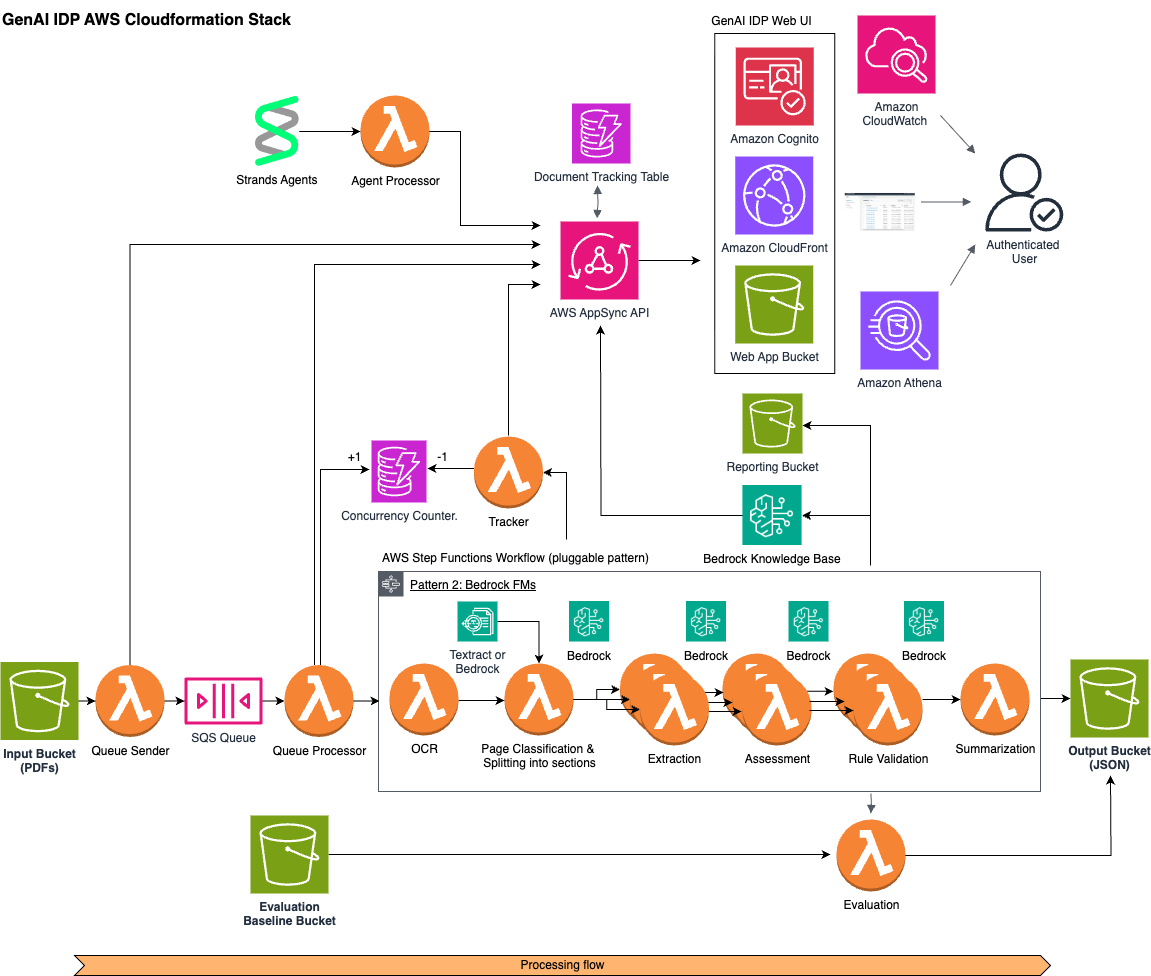
Built Technologies deployed an AI-powered document processing system on AWS Bedrock and the Intelligent Document Processing Accelerator to automate analysis of real estate finance documents. The system reduces workflows that previously took days to minutes and supports over 250 document types with over 95 percent accuracy for production use. The solution serves as a foundation for agentic products across the real estate finance lifecycle, from draw review to loan analysis to compliance workflows.

Hugging Face Blog
·
6 days ago
● 2 sources
Shippy, an AI agent for maritime domain awareness, was built with a three-part architecture—system prompt ("soul"), task-specific instructions ("skills"), and configuration settings—designed to prioritize reliability over raw model capability in high-stakes operational decisions. The system includes a purpose-built CLI layer that standardizes API calls to prevent subtle bugs, isolated user sandboxes running on Kubernetes for data privacy, and a custom evaluation framework that scores the entire agent against weighted criteria on live data rather than static benchmarks. This approach enables Shippy to serve 70+ countries while maintaining data isolation between users and prevents deployment of versions that regress on guardrails or accuracy thresholds.

The Verge
·
6 days ago
Fountain 0 announced an AI-generated film adaptation of The Odyssey called Odysseus: The Fall, capitalizing on interest from Christopher Nolan's concurrent theatrical release of the same source material. Nolan's film is projected to earn $80-$100 million in its opening weekend. The studio's AI-made version represents a shift toward low-cost synthetic film production as a direct-to-consumer alternative to traditional studio releases.

Wired AI
·
6 days ago
Hemispheric, founded by an Apple FaceID co-inventor, raised $52 million to develop AI models that diagnose cognitive disorders by analyzing brain electrical activity from EEG headsets. The startup trained its deep-learning model on 250,000 hours of brain data collected from 100,000 people and plans to submit its first product for PTSD diagnosis to the FDA in early 2025, with public availability targeted for late 2027. The approach aims to replace subjective questionnaires with objective AI-assisted diagnosis that could eventually function as simply and cheaply as a blood test.

TLDR Dev
·
6 days ago
Generative AI has dramatically lowered the barrier to copying game ideas, as demonstrated when developer Freya Holmér's rotating Tetris prototype was cloned by multiple people within days using AI code generation, each taking roughly a day to create. The ease of AI-assisted cloning amplifies a pre-existing problem of game storefronts being flooded with low-effort knockoffs by companies like Voodoo and Midnight Works, which have built billion-dollar businesses around copying popular games. Developers now face increased anxiety about sharing work publicly, and the devaluation of skill and effort discourages original creativity as clone makers can bypass the knowledge and execution that traditionally made copying expensive and difficult.
NVIDIA
·
6 days ago
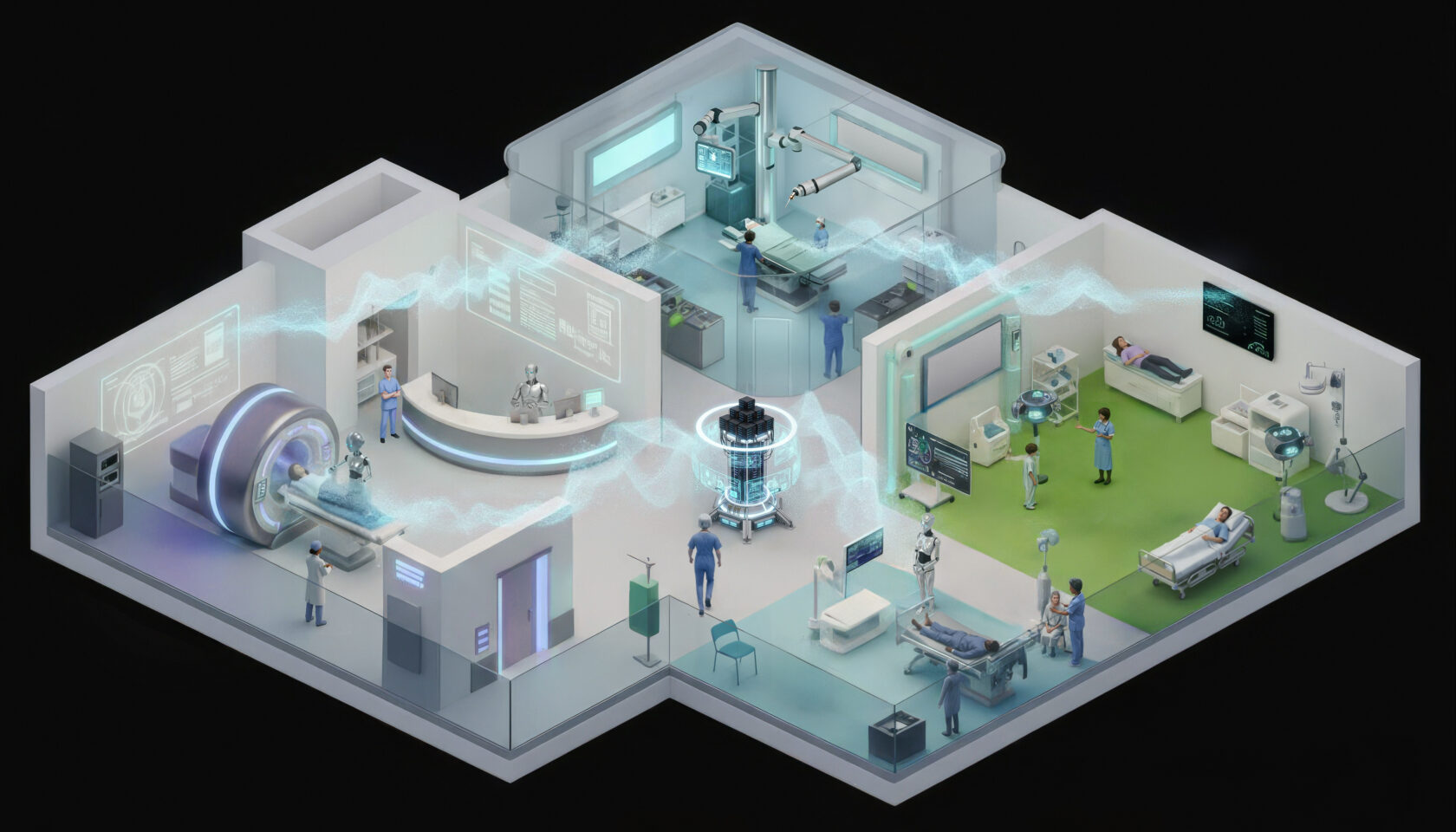
NVIDIA and Japanese partners are deploying AI technology across healthcare, robotics, vision systems, and financial services, with pharma companies using NVIDIA BioNeMo for drug discovery, medical device makers building surgical robots, and banks like Mizuho planning large on-premises AI factories. Mizuho is building what is expected to be Japan's largest on-premises AI factory for the financial industry starting with DGX B200 systems, while companies like Biomy achieved 90% faster spatial transcriptomics analysis using NVIDIA single-cell RAPIDS. These deployments represent a shift from experimental AI to production infrastructure across Japanese industry, with NVIDIA technology integrated into core workflows for drug discovery, medical imaging, industrial inspection, and financial services.
.jpg)
Wired AI
·
6 days ago
A customer's $2,000 ebike was marked as delivered and signed for by someone else, and when he attempted to track it down, he encountered AI chatbots at FedEx, the bike retailer, his bank, and even his local police department that consistently prevented him from reaching human representatives. Across all customer service interactions, 59 percent of consumers reported frustration with AI agents, while 85 percent preferred speaking with humans, and Verizon's CEO stated that AI will likely replace a large percentage of the company's customer service workforce. Corporations are deploying AI in customer service at the expense of human employees, sometimes intentionally using chatbots as a tactic called sludge to discourage customers from seeking resolution.

Rest of World
·
6 days ago
Venezuelan programmers and diaspora developers used AI tools like Claude and facial recognition software to rapidly build websites for missing-person reports, aid coordination, and damage assessment after earthquakes killed over 3,800 people, filling gaps left by slow government response. Key sites included Desaparecidos Terremoto Venezuela which received 30,000 reports in two days, Ayuda en Camino built in four hours, and Somos Acompañamiento with over 84,000 registrations. The civilian-led AI platforms became the primary source of disaster information, though experts warn they cannot replace government responsibility and must include stronger data privacy protections for sensitive biometric information.
The Neuron
·
6 days ago
● 4 sources
Samsara deployed AI agents that monitor trucks and dispatch centers to predict accidents before they occur, expanding from reactive accident detection to proactive safety measures. The company's AI dash cams now analyze driving behavior and road conditions in real time to issue warnings. This shift enables fleet operators to intervene before incidents happen, reducing crashes and associated costs.
Tech.eu
·
6 days ago
Finland approved Bliq.ai to operate driverless vehicles on public roads immediately, with initial deployments including a safety driver onboard. Testing will begin in Helsinki with Bliq's AI-based Level 2 driving system combined with remote human supervision. The approval enables Bliq to validate its retrofit autonomous technology in European conditions and move toward broader driverless mobility deployment across the continent.

Sifted
·
6 days ago
Neko Health, a preventative healthtech company founded by Hjalmar Nilsonne and Spotify's Daniel Ek, uses unflattering avatars of users' bodies alongside health scan results to motivate behavioral changes. The company raised $700 million in Series C funding and reports 80% yearly customer retention, with retention improving from the second to third scan as users engage with the platform's new features including AI-powered body composition analysis. Following avatar visualization, users reportedly adopt lifestyle changes such as improved diet and exercise habits, with the company expanding to New York after opening a second Stockholm clinic.
