Every AI story that matters — and the intelligence behind it.
TLDRocket reads all relevant sources, removes duplicate coverage, and publishes a short neutral
summary of every story, linking back to the original. Free, no spam, unsubscribe anytime.
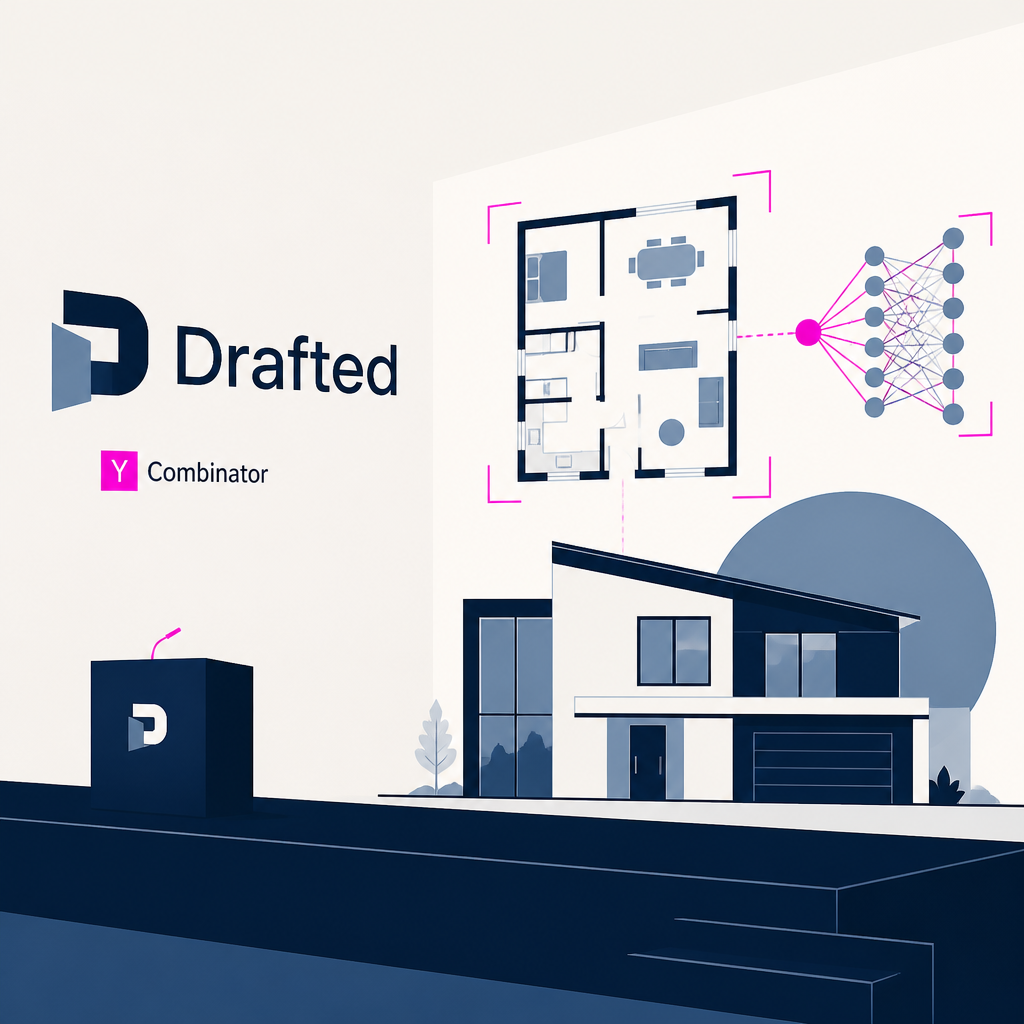
Drafted, a Y Combinator-backed startup, launched AI models that generate residential floor plans and exterior elevations from design constraints like square footage and room preferences. The system processed 325,000 home designs from 120,000 users in its first month, completing designs in seconds that traditionally cost $10,000–$50,000 and take months. The tool aims to make custom home design accessible by automating architectural work that currently excludes most homebuilders from professional design involvement.
The Algorithmic Bridge·4 months ago·
12
● 3 sources
Anthropic announced the Mythos Preview model in April, released it as Fable 5 in June with restricted guardrails on sensitive topics, and retired the model after the US government reportedly pressed the company to fix a jailbreak vulnerability following Amazon CEO's notification. The author argues Anthropic deliberately escalated the conflict with the government rather than patching the issue, gaining strategic advantages including maintaining an underdog narrative, reinforcing its safety positioning, and stopping revenue losses. The incident reflects Anthropic's broader strategy to position itself as the sole trustworthy steward of advanced AI, working toward government-directed control of AI technology rather than public distribution.
AI was cited as the top reason for nearly 40% of US job cuts in May. The top 1% of US firms spend $7,450 per employee monthly on AI compared to $11.38 at typical firms, a 650x difference. This spending disparity suggests that AI adoption remains concentrated among large enterprises while most companies invest minimally in the technology.
Researchers from the UK AI Security Institute and alignment startup Timaeus formed Sequent, a new nonprofit organization aiming to develop alignment techniques for superintelligent AI systems because current approaches at major labs lack principled safety guarantees. Sequent plans to grow to 40-80 employees within a couple of years and initially raise $100-150 million, with readiness to seek at least ten times that amount. The organization will pursue a portfolio of diverse alignment research directions including scalable oversight, learning theory, and game theory, with the goal of demonstrating confidence that alignment observed during training generalizes to real-world deployment.
AskDeck is launching an AI service where you request a PowerPoint and narrated video via phone, SMS, email, web, or through Claude/ChatGPT/Cursor using MCP.
Every AI story that matters,
in your inbox by 8am.
TLDRocket reads all relevant sources, removes duplicate coverage, and summarises the
day in two minutes. Follow companies and topics for alerts, or get the
briefing in Slack. Free, no spam, unsubscribe anytime.
Reading TLDRocket needs no cookies, and the readership counts we rely on come from
our own cookieless analytics. Google Analytics is the exception: it sets cookies and
reports to Google, so it stays switched off until you allow it. You can change your
mind any time from “Cookie settings” in the footer.
Strictly necessary
Session security and form protection (tldrocket-session,
XSRF-TOKEN, 2 hours). The site cannot work without them,
so they need no consent.
Always on
Google Analytics 4 (_ga,
_ga_<id>, up to 2 years). Measures which
stories and sections readers use. Google acts as a third-party processor and may
store the data outside the EU. No advertising, no profiling, no data sold.