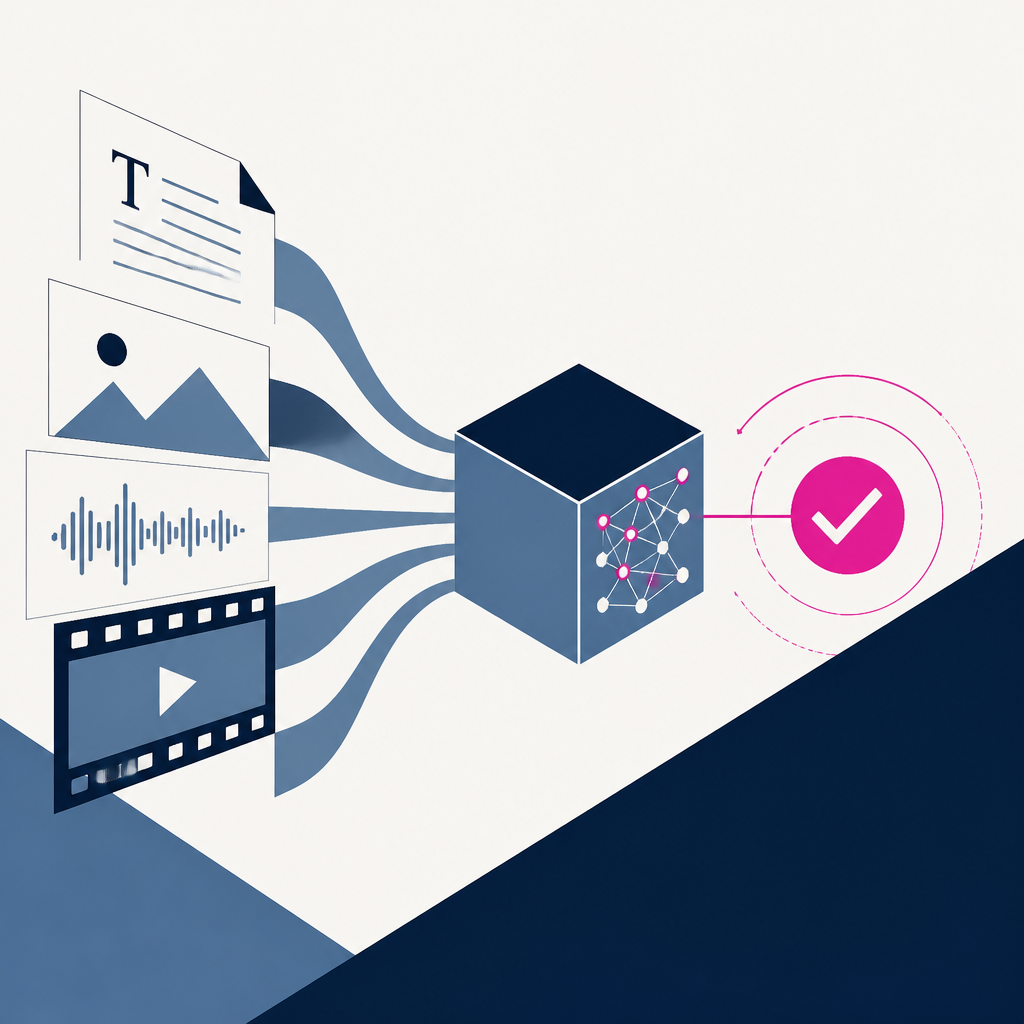
Cloudflare released Clef-omni, an open-weight multimodal decision model that scores text, images, audio, and video in a single call. It launched on October 9, 2026. It is expected to simplify multimodal agent pipelines by removing separate transcription and captioning steps, while offering lower accuracy than text-focused Clef on hard reasoning and workflow evaluations.
Nvidia is reportedly in early talks with Reflection AI about acquiring the open-weight model developer, doing an acqui-hire, or investing more. The talks could lead to an agreement within weeks, and Reflection has received $800 million total from Nvidia. The outcome could shift into a buyout, a larger stake with more chip supply, or a staff-licensing structure that may face less regulatory review.
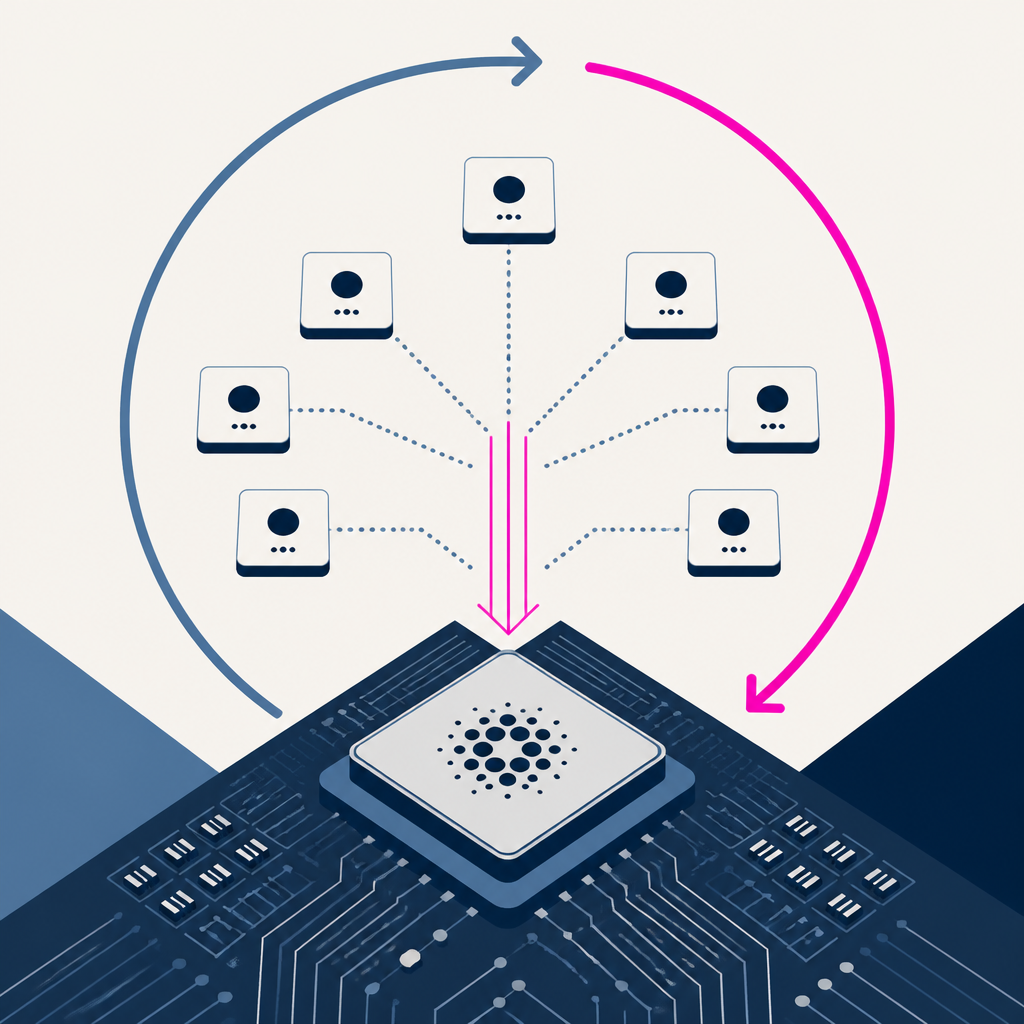
Multi-Agent Self-Supervision (MASS) trains a shared AI model using a team of virtual subagents that search for better workflows and then distill the model’s own selected results back into the shared model. After two cycles on synthetic open-ended research tasks with a 27B open-weights model, score per output token reached 1.2–1.6x the base model’s level across four research benchmarks. The approach changes training by adding recursive, self-evaluated multi-agent workflow selection, while raising concerns about reinforcing blind spots when the model evaluates its own outputs.
Every AI story that matters,
in your inbox by 8am.
TLDRocket reads all relevant sources, removes duplicate coverage, and summarises the
day in two minutes. Follow companies and topics for alerts, or get the
briefing in Slack. Free, no spam, unsubscribe anytime.
Reading TLDRocket needs no cookies, and the readership counts we rely on come from
our own cookieless analytics. Google Analytics is the exception: it sets cookies and
reports to Google, so it stays switched off until you allow it. You can change your
mind any time from “Cookie settings” in the footer.
Strictly necessary
Session security and form protection (tldrocket-session,
XSRF-TOKEN, 2 hours). The site cannot work without them,
so they need no consent.
Always on
Google Analytics 4 (_ga,
_ga_<id>, up to 2 years). Measures which
stories and sections readers use. Google acts as a third-party processor and may
store the data outside the EU. No advertising, no profiling, no data sold.