Red Hat announced asago, an open-source project designed to automate the conversion of AI governance policies into operational controls that can be deployed alongside AI systems. The platform will map policies to frameworks like NIST's AI Risk Management Framework, generate safety tests, and produce deployment-ready configurations for cloud and Kubernetes environments. This automation aims to eliminate manual policy interpretation and custom scripts that currently slow deployments and create errors between compliance and engineering teams.
Astro, a JavaScript framework owned by Cloudflare, has reduced its GitHub issue backlog from over 200 to around 20 using AI agents, and expects to reach zero within a month—a first in the project's five-year history. The team built triagebot-action, a GitHub Action that runs a four-stage pipeline (reproduce, diagnose, verify, fix) with separate AI agents for each stage, powered by the Flue framework. Cloudflare open-sourced triagebot-action so other maintainers can automate issue triage, though adoption beyond Astro remains early and the tool's fix capability is still being refined.
Kiro Crew is an open source workspace designed for developing agentic systems that coordinate multiple AI agents. The platform provides tools and infrastructure for building, testing, and managing agent-based applications. This enables developers to more easily create and deploy multi-agent AI systems without proprietary frameworks.
Cloudflare introduced @cloudflare/computer, an open-source runtime package that gives AI agents their own virtual computer with a shared filesystem and multiple execution environments. The package optimizes agent scalability by running most tasks on Cloudflare's lightweight isolates (based on Workers technology) and spinning up containers on-demand for heavier compute needs, with the goal of keeping container usage below 10% of agent work. This approach addresses the industry's critical shortage of compute capacity for running millions of concurrent agents across all cloud providers.
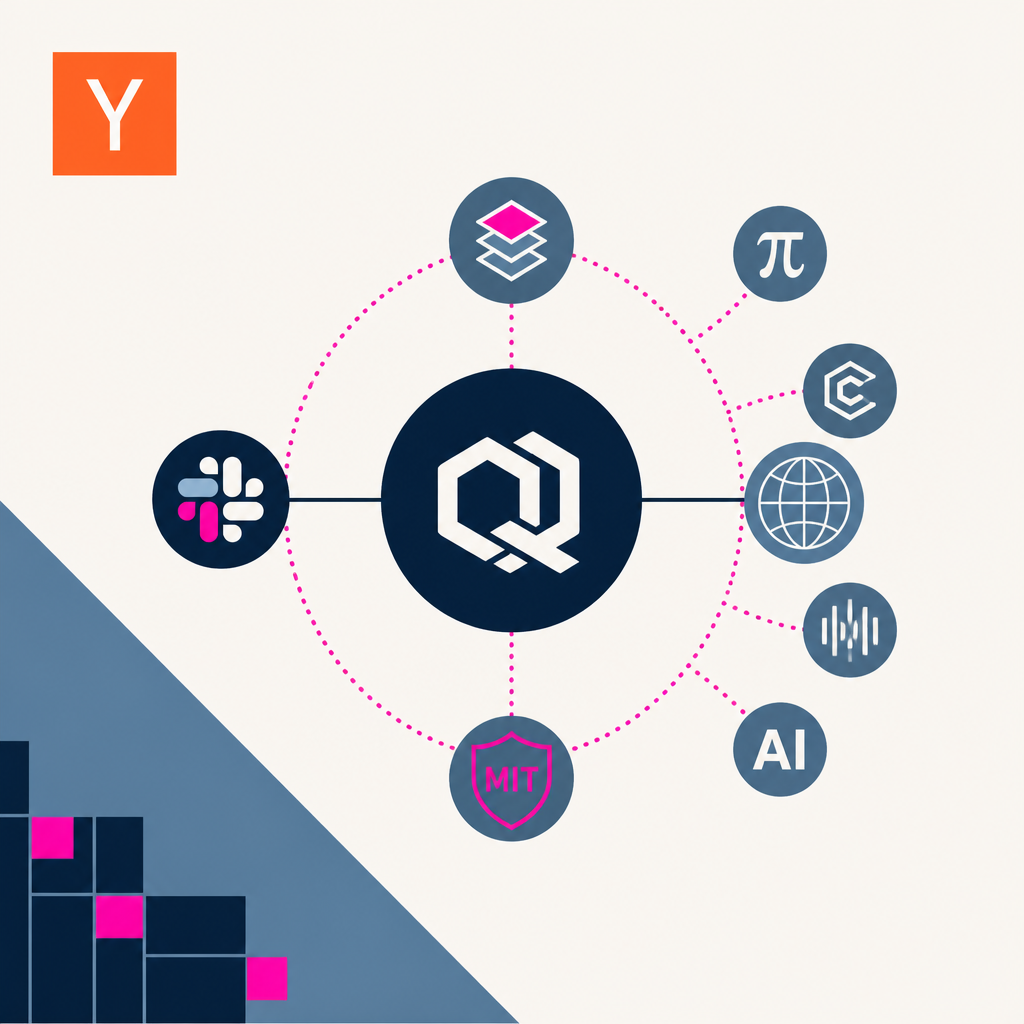
Y Combinator open-sourced QM, a multi-agent harness for workplace collaboration that runs in Slack and the web, under the MIT license. The system is designed for organizations of 10–500 people with at least one platform engineer, supports multiple AI models (Pi, OpenCode, Codex, Claude Code) without vendor lock-in, and isolates each user and room with separate memory, permissions, and sandboxed execution. Deployments can now use QM for internal tasks like inbox triage, document search, code testing, and project tracking without being tied to a single AI vendor.
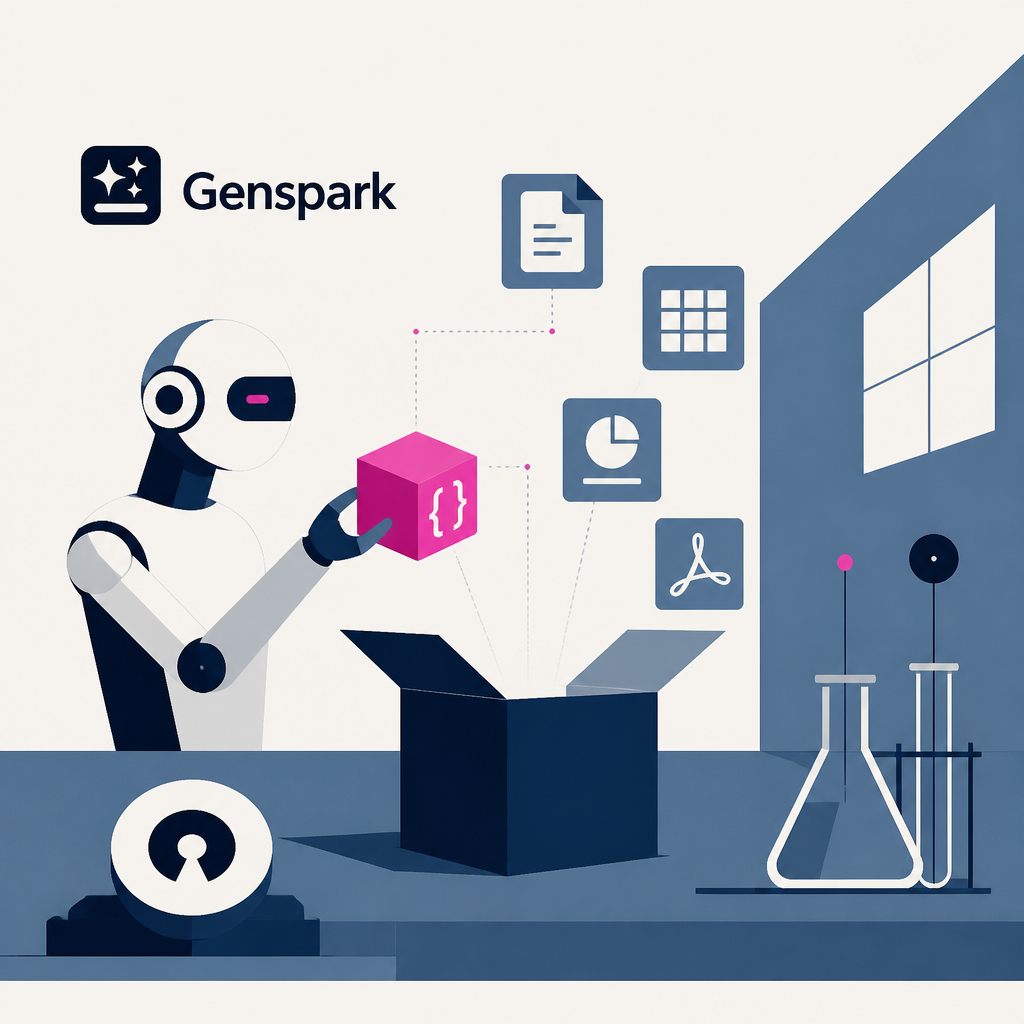
Genspark released GenOffice, an open-source AI-native office suite with document, spreadsheet, presentation, and PDF tools for macOS and Windows under Apache License 2.0. The alpha product at version 0.4.110 consumed approximately $10,000 in API tokens to develop and runs free with no ads, though AI features require a Genspark account and credits. The technical architecture preserves original file bytes by patching only edited content back into source documents, enabling compatibility with Word, Excel and PowerPoint while supporting AI-assisted editing as a core workflow rather than a side feature.
Every AI story that matters,
in your inbox by 8am.
TLDRocket reads all relevant sources, removes duplicate coverage, and summarises the
day in two minutes. Follow companies and topics for alerts, or get the
briefing in Slack. Free, no spam, unsubscribe anytime.
Reading TLDRocket needs no cookies, and the readership counts we rely on come from
our own cookieless analytics. Google Analytics is the exception: it sets cookies and
reports to Google, so it stays switched off until you allow it. You can change your
mind any time from “Cookie settings” in the footer.
Strictly necessary
Session security and form protection (tldrocket-session,
XSRF-TOKEN, 2 hours). The site cannot work without them,
so they need no consent.
Always on
Google Analytics 4 (_ga,
_ga_<id>, up to 2 years). Measures which
stories and sections readers use. Google acts as a third-party processor and may
store the data outside the EU. No advertising, no profiling, no data sold.