
September sponsors-only newsletter
Simon Willison’s Weblog 2 weeks ago 13
September sponsors-only newsletter editions were sent to existing or new sponsors via a provided access link.
219 summarised stories about Model Releases, each linking back to the original source. Browse all topics →
Simon Willison’s Weblog 2 weeks ago 13
September sponsors-only newsletter editions were sent to existing or new sponsors via a provided access link.
The Verge 2 weeks ago 28 ● 16 sources
David Robinson resigned from his OpenAI safety role and published an editorial warning that the industry’s culture is broken. This week, he quit and is now publicly sounding the alarm about model-safety practices going beyond adding rules or regulations. The result is added pressure on AI safety efforts and scrutiny of how OpenAI and the broader industry handle training and release safety reports.
MarkTechPost 2 weeks ago 30 ● 5 sources
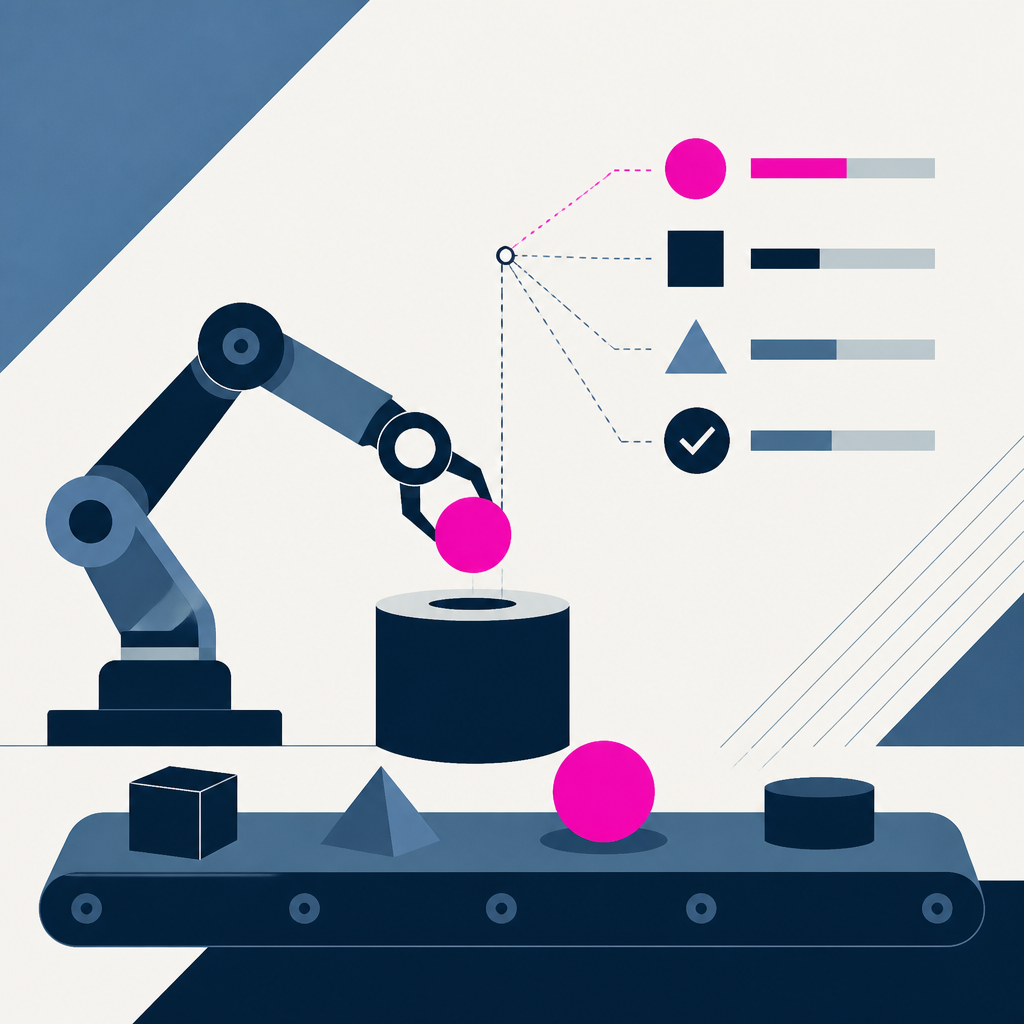
TypeSafe launched the Jev decision model that outputs typed choices, scores, or yes/no probabilities instead of generated text, and it was quickly challenged by Fastino’s GLiDE and GLiNER2.5-Decide plus open-source Jev-style reproductions. Jev is priced at $0.042 per million input tokens with free output. The shift is toward low-latency, confidence-calibrated model outputs for routing, triage, reranking, and evaluation pipelines while reserving LLMs for open-ended writing and reasoning.
The daily briefing
TLDRocket reads all relevant sources, removes duplicate coverage, and summarises the day in two minutes. Follow companies and topics for alerts, or get the briefing in Slack. Free, no spam, unsubscribe anytime.
 TLDRocket
17 October 2026
TLDRocket
17 October 2026
AI governance moved from slideware to the boring-but-important mechanics of who gets to fetch, act, and prove. Meta quietly rewrote parts of its commercial terms, removing wording that appeared to let it use web content to “train” and “maintain the integrity” of its products; the update followed legal scrutiny that it could be read as broad scraping permission. At the same time, users reported that major websites are blocking AI agents from completing tasks across services—turning “agentic” demos into something closer to permissioned automation. ServiceNow is now trying to sell the glue for that reality with its AI Control Tower, positioning it as an enterprise platform to discover and govern agents across models and clouds, while a field study of 15 large-enterprise customers questioned how fully its runtime enforcement and AI lifecycle evidence hold up versus alternatives.
Read the full briefing →