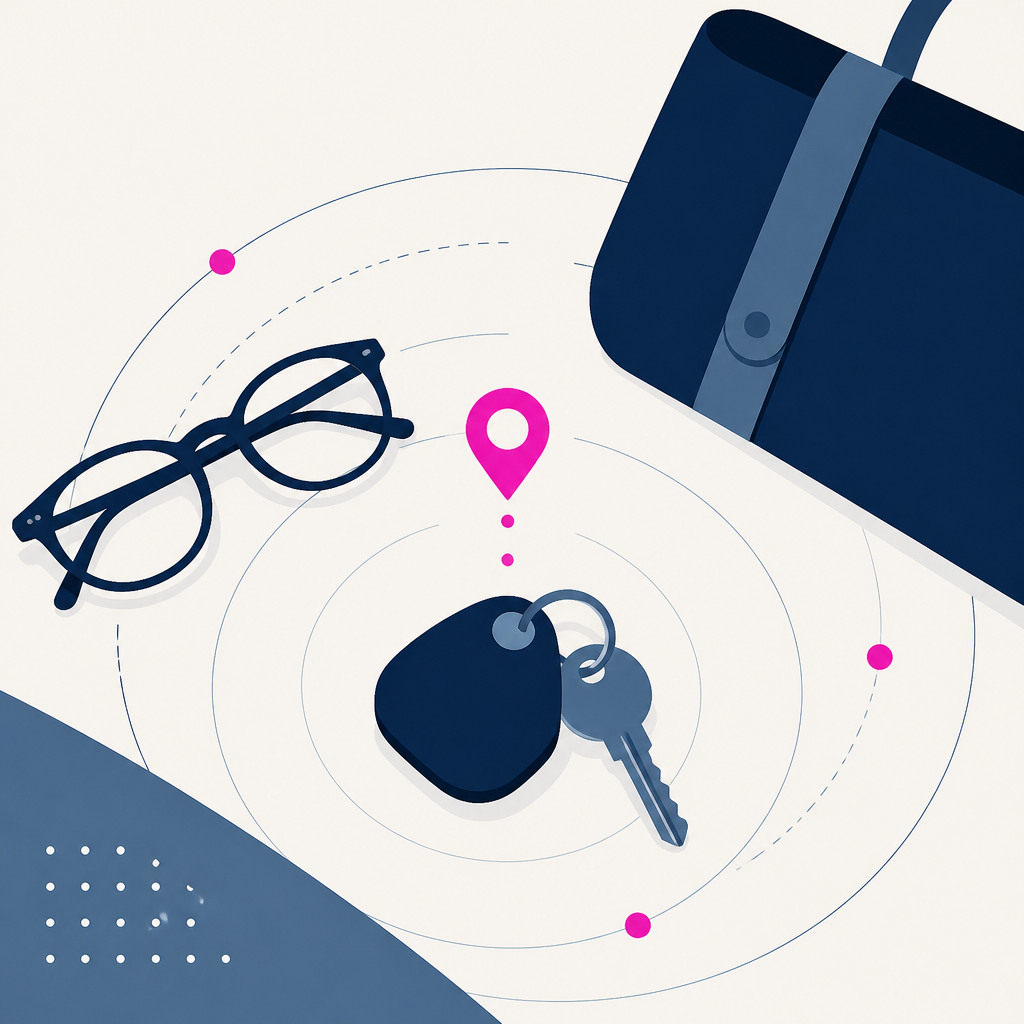
Google rolled out five new Android updates covering accessibility, motion sickness support, remembering items, and more personalization in Google Messages. Motion Assist, which adds a moving bubble overlay to help with vehicle-related motion sickness, is available to Android 17 users. Guided Vision uses Gemini with the camera for blind and low-vision assistance, and Gemini will also power a new “remembered items” section in Find Hub, alongside other messaging and Keep-list sharing changes.
Google reached out to major Hollywood studios to negotiate licensing deals to let it train its AI models on copyrighted material. The reporting says the deals would involve “massive” payouts, with the exact figure not specified. This would give Google more training data for its AI efforts while creating legal and commercial risks for studios considering licensing rather than limiting use of their content.
Google’s September Android feature Drop added “remembered items” support in Find Hub and expanded Motion Assist dots and messaging changes across more Android devices. The item-location logging via Gemini is available on Android 16 or higher. As a result, users can have Gemini record the location of untacket-tagged items (optionally with a photo) so they can be retrieved in Find Hub later.
Google is rolling out Google Pics, an AI image creation and editing tool that prompts for designs instead of letting users build from scratch, as part of Google Workspace and premium Google AI plans. It starts with a rollout to most Workspace customers over the coming weeks and launches in Google Docs and Slides today. The feature set expands from Docs and Slides to Google Drive later, adding collaborative editing, object and text editing, and multiple image generations to choose from.
Google announced Motion Assist and an expanded Find Hub feature set coming to Android in this month’s feature drop. Find Hub will let users ask Gemini to remember where they placed items like a passport so they can find them without attaching a tracker. As a result, item-finding can rely more on assistant recall rather than physical tracking devices.
Google released Google Pics, a new set of creative design tools for Google Workspace that lets users edit and generate business images using AI.
The tools are built on Gemini and the Nano Banana generative AI model.
Workspace users get more granular object- and text-targeted controls for prompt-based image making and manipulation.
Every AI story that matters,
in your inbox by 8am.
TLDRocket reads all relevant sources, removes duplicate coverage, and summarises the
day in two minutes. Follow companies and topics for alerts, or get the
briefing in Slack. Free, no spam, unsubscribe anytime.
Reading TLDRocket needs no cookies, and the readership counts we rely on come from
our own cookieless analytics. Google Analytics is the exception: it sets cookies and
reports to Google, so it stays switched off until you allow it. You can change your
mind any time from “Cookie settings” in the footer.
Strictly necessary
Session security and form protection (tldrocket-session,
XSRF-TOKEN, 2 hours). The site cannot work without them,
so they need no consent.
Always on
Google Analytics 4 (_ga,
_ga_<id>, up to 2 years). Measures which
stories and sections readers use. Google acts as a third-party processor and may
store the data outside the EU. No advertising, no profiling, no data sold.