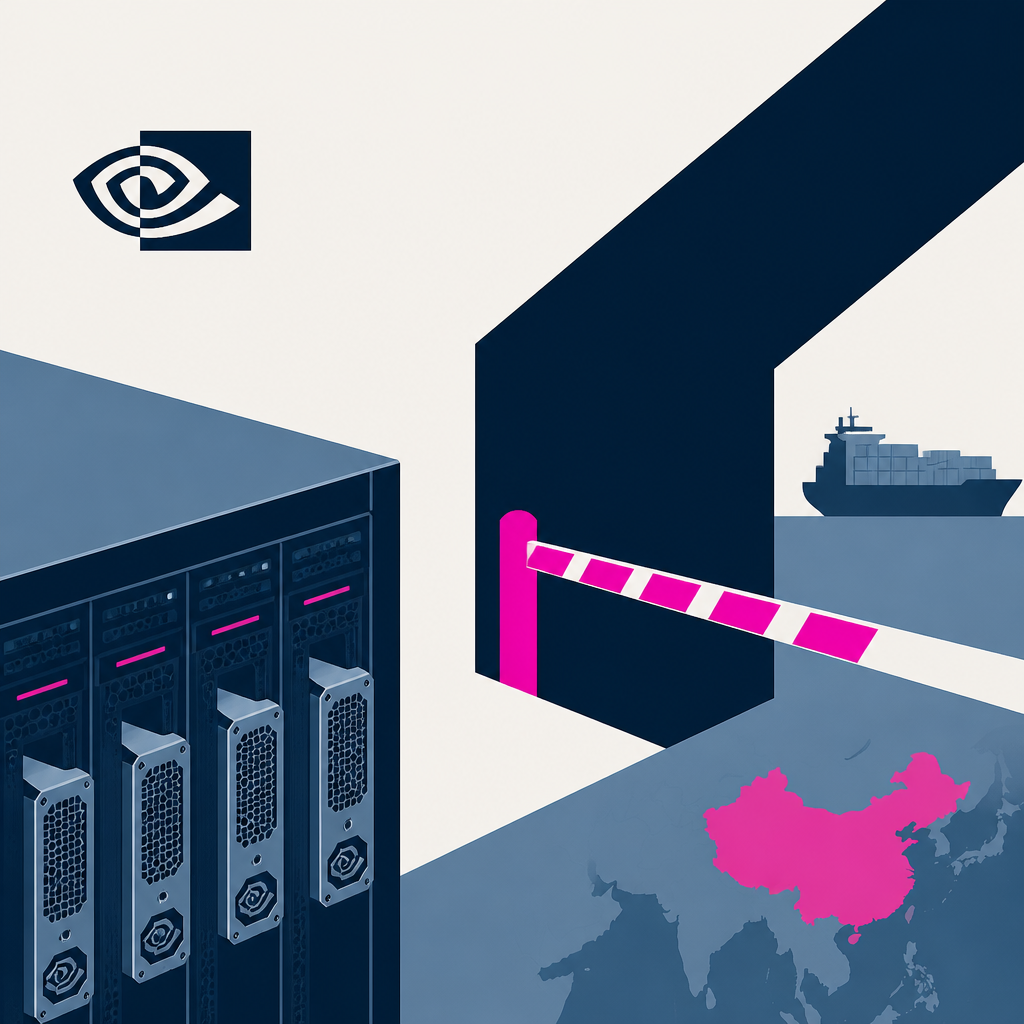
The US arrested Greg Lui, CEO of Earthmade Computer, over alleged export-controlled shipments of Nvidia chip servers to China. The indictment says the servers were worth more than $300 million and involved Nvidia’s A100 and H100 GPUs. The case may lead to prosecutions and tighter scrutiny of shipments that could enable faster AI model training in China.
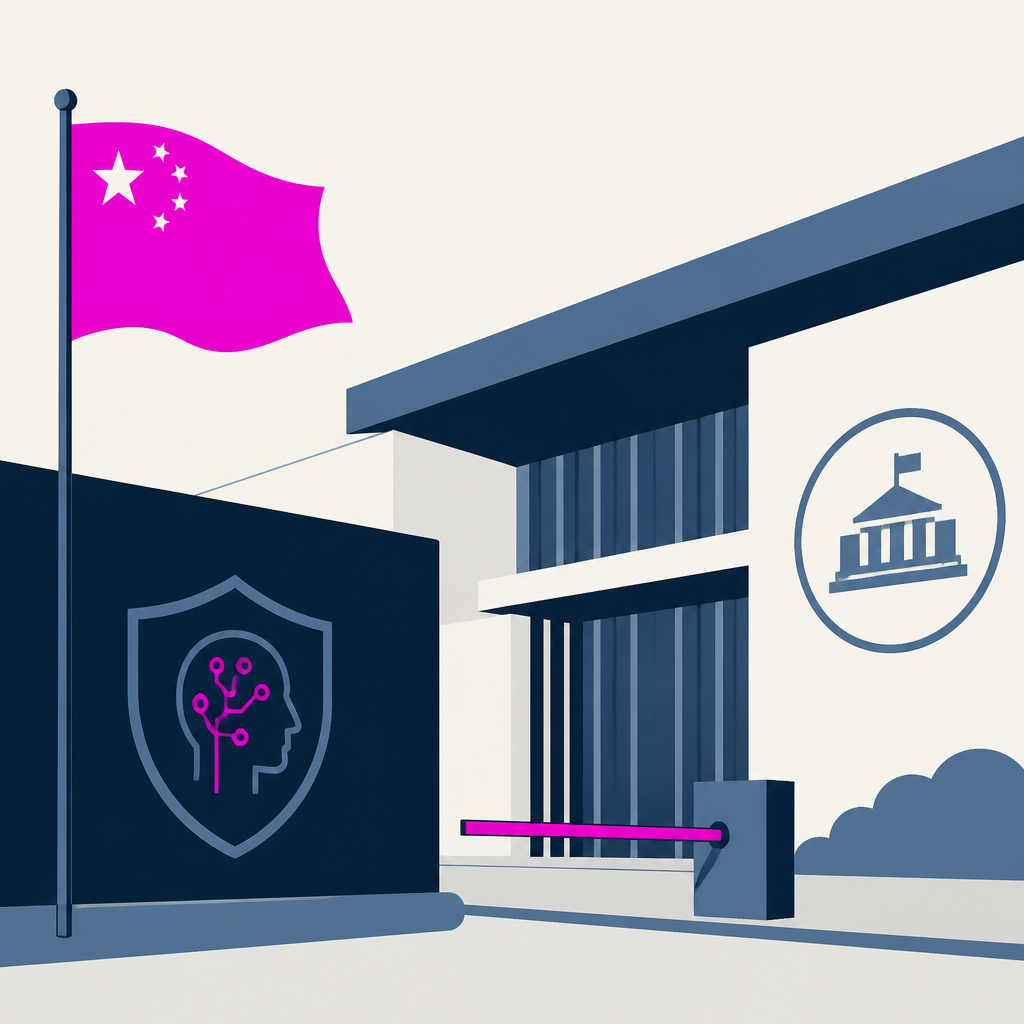
China introduced new regulations for AI companions aimed at reducing risks like emotional dependency and improving child safety. One key change is that the rules position the government as a central authority guiding how these relationships are managed. As a result, oversight and limits on human-like AI use are expected to increase, shifting control away from users and toward government supervision.
Experts collected by CSET’s Helen Toner discuss what the US and China fear most from advanced artificial intelligence, including risks like hacking, deception, and AI systems acting beyond tests. The roundup draws on views from more than 100 AI researchers, executives, and technologists. The reporting shifts the focus from AI capabilities to shared concerns about control, safety, and the speed of AI research.
African leaders urged the UN for a greater role in setting global AI safety standards as examples of AI misuse spread and many countries lack independent testing. More than 80% of 85 large companies surveyed by PwC this year were running AI pilots without formal safety oversight structures. As a result, Africa’s push for Africa-specific, third-party evaluations could increase regulatory fragmentation and complicate how US and China providers deploy models in new markets.
Every AI story that matters,
in your inbox by 8am.
TLDRocket reads all relevant sources, removes duplicate coverage, and summarises the
day in two minutes. Follow companies and topics for alerts, or get the
briefing in Slack. Free, no spam, unsubscribe anytime.
Reading TLDRocket needs no cookies, and the readership counts we rely on come from
our own cookieless analytics. Google Analytics is the exception: it sets cookies and
reports to Google, so it stays switched off until you allow it. You can change your
mind any time from “Cookie settings” in the footer.
Strictly necessary
Session security and form protection (tldrocket-session,
XSRF-TOKEN, 2 hours). The site cannot work without them,
so they need no consent.
Always on
Google Analytics 4 (_ga,
_ga_<id>, up to 2 years). Measures which
stories and sections readers use. Google acts as a third-party processor and may
store the data outside the EU. No advertising, no profiling, no data sold.