A developer used ChatGPT Images 2.5 and GPT-6 Astra to generate a Pluribus-themed Fabergé egg image and then convert it into Blender .blend models for browser viewing. The Blender model generation ran for 17m51s before producing several .blend files. The result is a new “.blend URL Viewer” tool that lets others view the generated Pluribus Blender model in their browser.
Neopress launched as a website-building platform that combines website creation, CMS, SEO, and analytics in one AI-powered workspace. It says users can publish server-rendered, AI-readable pages that search engines and AI crawlers can access. The workflow shifts to building and iterating on a site through chat-based requests to analyze metrics and apply improvements.
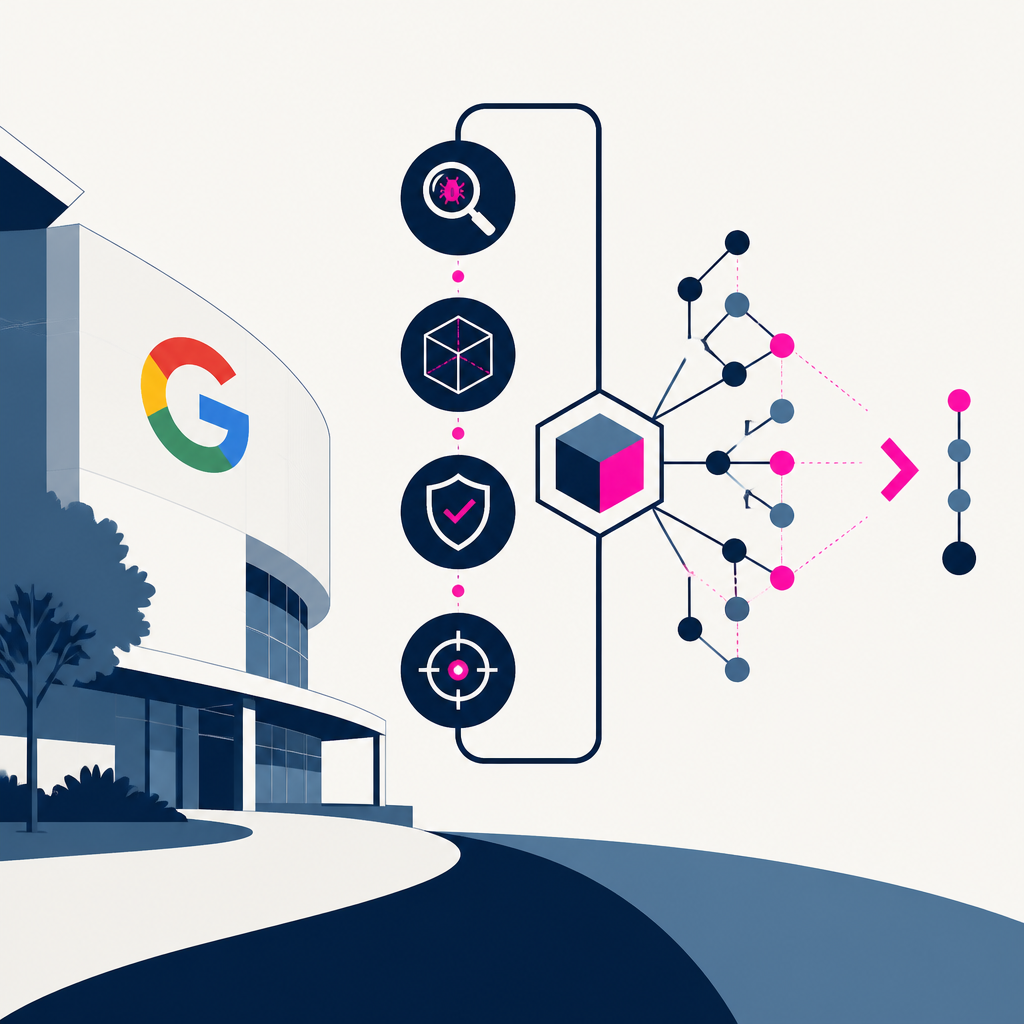
Google open-sourced Mantis, a modular security-review skills toolkit for coding agents that runs the vulnerability lifecycle from finding a suspected flaw through sandbox reproduction and patch re-attack. The hierarchy summary tree is claimed to cut token overhead by over 85 percent. Mantis shifts agentic security work from generating findings to deterministic, sandboxed verification and patch risk scoring, but it is deployable for local or internal evaluation rather than production.
Modeinspect launched an AI design canvas that connects to a codebase so users can design existing screens using components, tokens, live data, states, and breakpoints. It is offering 99 days of free AI credits at launch. Users can publish changes live or send them to engineering for review.
Amazon Quick describes how to automate user-level custom permissions as AI-powered capabilities and user actions expand, using least-privilege controls that can be enforced per user, role, or account. One concrete example is a 125,000-employee company that applies distinct permission profiles when users are added to Quick or IAM Identity Center groups via an EventBridge + AWS Lambda workflow. The guidance changes by offering four architectural patterns—including RegisterUser provisioning, account/role defaults, event-driven group-based assignment, and a Python-based retroactive bulk update script—to reduce permission gaps during onboarding.
Apple is launching iOS 27 on September 14, with Siri AI as its main feature rolling out first as a beta. Siri AI starts on iOS 27 for English-only devices, with French, Japanese, Korean, Portuguese, and Spanish following in October. iOS 27 also adds a Liquid Glass opacity slider and updates built-in app icons plus extra-large widgets.
Hyrax AI launched an autonomous code-review and fixing workflow that connects to GitHub, audits a full codebase, and opens pull requests with fixes. The free plan includes 5 findings and 5 fixes per month. This shifts code remediation from manual PR-by-PR review to continuous, test-verified automatic fixes your team reviews and merges.
hob launched today as a workspace for running AI coding agents with multiple models and independent workflows. It lists 35 followers. The setup lets users run, review, automate, and recover agent work in one system to coordinate and parallelize tasks instead of stitching separate infrastructure together.
Desert Ant Labs launched a free SDK for building small AI models that can run on a phone or in a browser without internet. It offers free usage up to 100k monthly active devices. As a result, developers can plug in task-specific speech, text, and vision models in a few lines of code with no per-use cost.
Ory launched Ory DX agent plugins to help coding agents get identities, OAuth-based auth, and revocable permissions using Ory Agent Security and MCP tooling. The release includes one command that brings Kratos, Hydra, and Keto online locally in seconds. As a result, developers can run self-hosted or use Ory Network, plug the same security scaffolding into multiple agent SDKs, and manage agent identities without manual setup.
Harness rebuilt its Code Repository and launched an AI Code Review product to handle the surge of pull requests from coding agents. Harness says it cut more than 10,000 hours of manual review time per month and sometimes saw teams at 10x pull-request volume (up to 50x). The pipeline shifts toward deterministic test results while reviewers get prioritized context from a delivery knowledge graph so humans focus on what actually changes.
Microsoft’s Edge team said its extension review pipeline is under strain because more developers are submitting AI-assisted extensions faster than it can review them.
Coddy launched as an online coding platform with short, interactive lessons and a browser code editor that includes test cases. It has reached 5M+ learners so far. With this release, Bugsy provides AI tutor hints (not answers) and the service is free with a daily limit across web, iOS, and Android.
Every AI story that matters,
in your inbox by 8am.
TLDRocket reads all relevant sources, removes duplicate coverage, and summarises the
day in two minutes. Follow companies and topics for alerts, or get the
briefing in Slack. Free, no spam, unsubscribe anytime.
Reading TLDRocket needs no cookies, and the readership counts we rely on come from
our own cookieless analytics. Google Analytics is the exception: it sets cookies and
reports to Google, so it stays switched off until you allow it. You can change your
mind any time from “Cookie settings” in the footer.
Strictly necessary
Session security and form protection (tldrocket-session,
XSRF-TOKEN, 2 hours). The site cannot work without them,
so they need no consent.
Always on
Google Analytics 4 (_ga,
_ga_<id>, up to 2 years). Measures which
stories and sections readers use. Google acts as a third-party processor and may
store the data outside the EU. No advertising, no profiling, no data sold.