AI is being used to support self-represented legal cases, with outcomes reported in England and Wales, the US, and Australia. In May, 0.6% of Claude use was for lawyers’ tasks. This points to a shift where more people without lawyers may use AI agents to argue their cases and understand legal rights.
EasyCut launched to let users edit Claude-made motion videos on a fully editable timeline with separate tracks for titles, scenes, images, sound, and other elements. It’s free in your browser as of today. Users can select specific parts and ask Claude to change only those sections while adjusting timing, branding, music fit, slow-mo, resizing, and exporting without rebuilding the whole video.
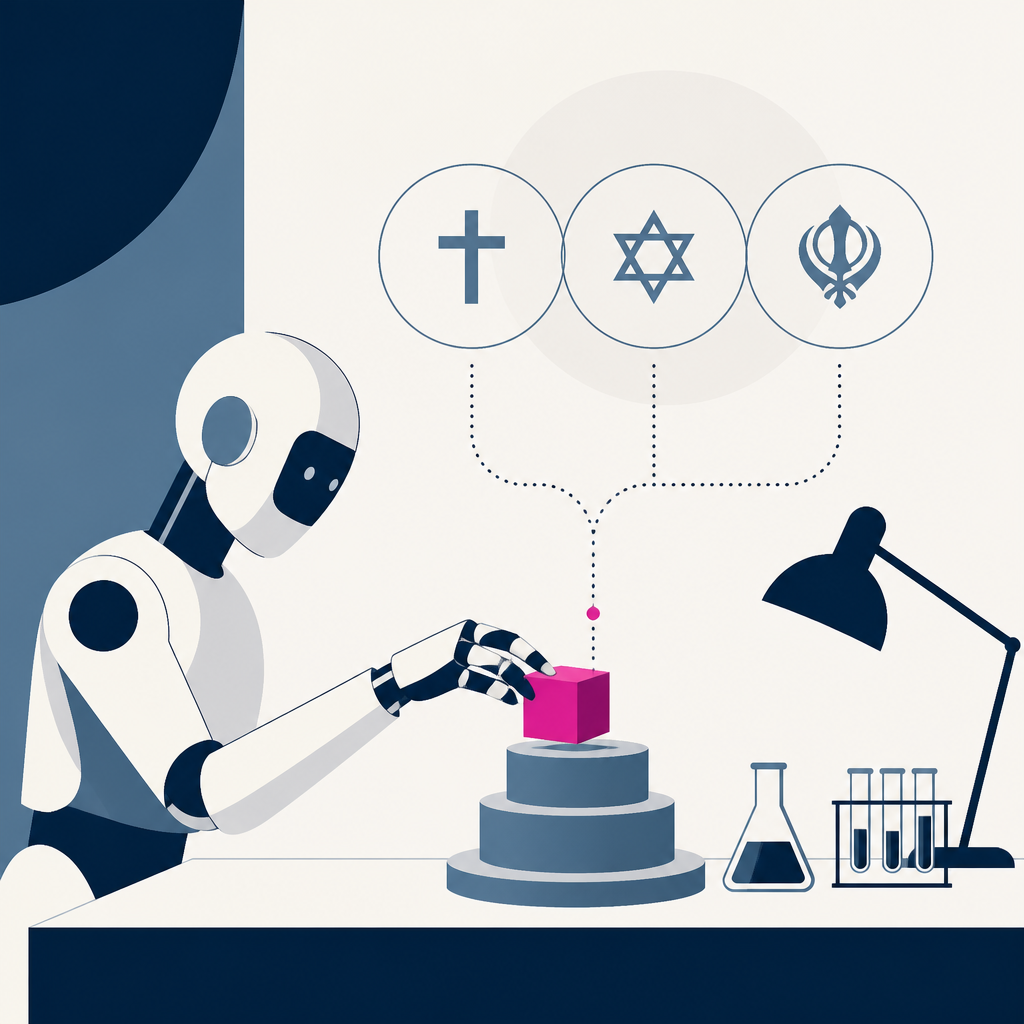
Anthropic co-founder Chris Olah consulted Catholic, Jewish, and Sikh scholars about teaching Claude ethics. The report says he spent about a year on the effort. Anthropic is applying these religiously informed guidance ideas to how Claude handles right and wrong.
Every AI story that matters,
in your inbox by 8am.
TLDRocket reads all relevant sources, removes duplicate coverage, and summarises the
day in two minutes. Follow companies and topics for alerts, or get the
briefing in Slack. Free, no spam, unsubscribe anytime.
Reading TLDRocket needs no cookies, and the readership counts we rely on come from
our own cookieless analytics. Google Analytics is the exception: it sets cookies and
reports to Google, so it stays switched off until you allow it. You can change your
mind any time from “Cookie settings” in the footer.
Strictly necessary
Session security and form protection (tldrocket-session,
XSRF-TOKEN, 2 hours). The site cannot work without them,
so they need no consent.
Always on
Google Analytics 4 (_ga,
_ga_<id>, up to 2 years). Measures which
stories and sections readers use. Google acts as a third-party processor and may
store the data outside the EU. No advertising, no profiling, no data sold.