OpenAI launched new ChatGPT workplace features aimed at competing with Microsoft’s office software suite. The announcement happened at Dev Day in San Francisco on Tuesday. OpenAI added Space for shared collaboration, Pages for a word-processor-style document tool, and collaborative slides that can be created by voice and edited by multiple people and agents.
OpenAI launched Dots, a personal agentic assistant, at its Dev Day event and presented it as an always-on assistant that can pursue user-defined goals in the background. Dots became available starting Tuesday in ChatGPT for Pro and Business Premium users in eligible markets. The offering adds an interface- and hardware-independent way to run independent “dots,” including team and Slack/Teams messaging options and Microsoft Agent 365 security integration.
OpenAI expanded ChatGPT’s plugins by letting developers create app-like plugin extensions with dedicated sidebar homes, interactive panels, and file viewers inside ChatGPT. The changes were announced at Dev Day on Tuesday. This makes it easier to build, discover, approve, and host plugins (including via ChatGPT Sites) while adding support for MCP Events to trigger automations from app events.
OpenAI’s newsletter pointed readers to an OpenAI post specifying the keynote start time. The timing is set for 10am PT. The only change is a clearer schedule for when the keynote will begin ahead of the event.
ChatGPT Space is launched as a shared canvas where teams can add links, files, and ideas and then use ChatGPT to turn them into plans, documents, and apps. The launch is dated “today”. Teams now have a single workspace for keeping shared AI context and collaboration in one place.
OpenAI is presented as winning not through the best models or chips, but through its ability to create new customer behaviors and sustain distribution. The article cites a September 2026 framing for when intelligence-as-a-service rankings are no longer the main question. As a result, the focus shifts from model performance and price-to-performance toward “platform” distribution and runtime-like primitives that let users build and trigger new behaviors at scale.
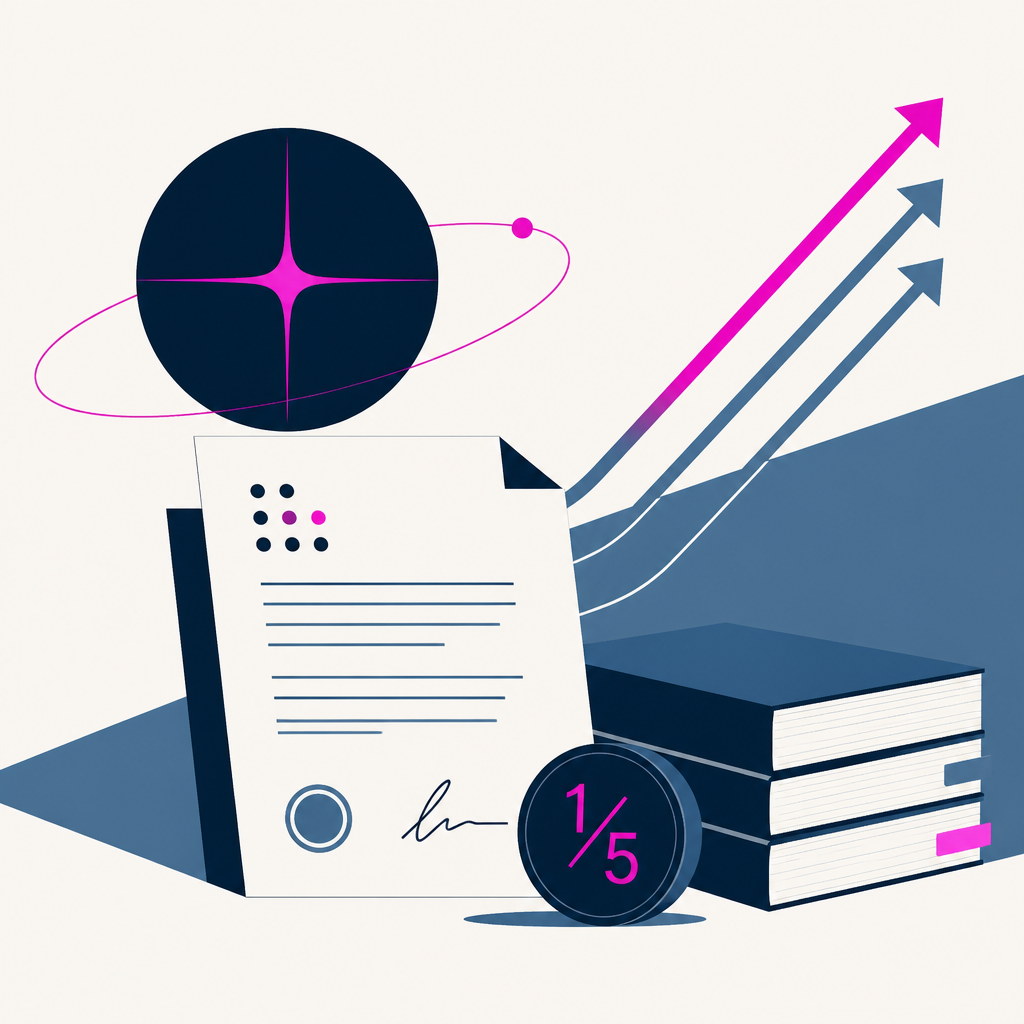
GPT-6.1 Sol was introduced for coding, computer use, and professional work through an API. It is priced at one-fifth of Astra’s standard input and output token rates. As a result, users can access the new model for those tasks at lower per-token costs.
Every AI story that matters,
in your inbox by 8am.
TLDRocket reads all relevant sources, removes duplicate coverage, and summarises the
day in two minutes. Follow companies and topics for alerts, or get the
briefing in Slack. Free, no spam, unsubscribe anytime.
Reading TLDRocket needs no cookies, and the readership counts we rely on come from
our own cookieless analytics. Google Analytics is the exception: it sets cookies and
reports to Google, so it stays switched off until you allow it. You can change your
mind any time from “Cookie settings” in the footer.
Strictly necessary
Session security and form protection (tldrocket-session,
XSRF-TOKEN, 2 hours). The site cannot work without them,
so they need no consent.
Always on
Google Analytics 4 (_ga,
_ga_<id>, up to 2 years). Measures which
stories and sections readers use. Google acts as a third-party processor and may
store the data outside the EU. No advertising, no profiling, no data sold.