Microsoft reported a $3.2 billion gain on its Anthropic investment in the fourth quarter of fiscal 2026, adding 33 cents to diluted earnings per share. In contrast, the company marked down its OpenAI investment by about $600 million during the same quarter, reducing EPS by 7 cents, though it gained $5 billion on OpenAI for the full year. The Anthropic investment, made at $5 billion in November 2025 with an accompanying $30 billion Azure services commitment, appreciated significantly in just one quarter relative to Microsoft's year-long OpenAI returns.
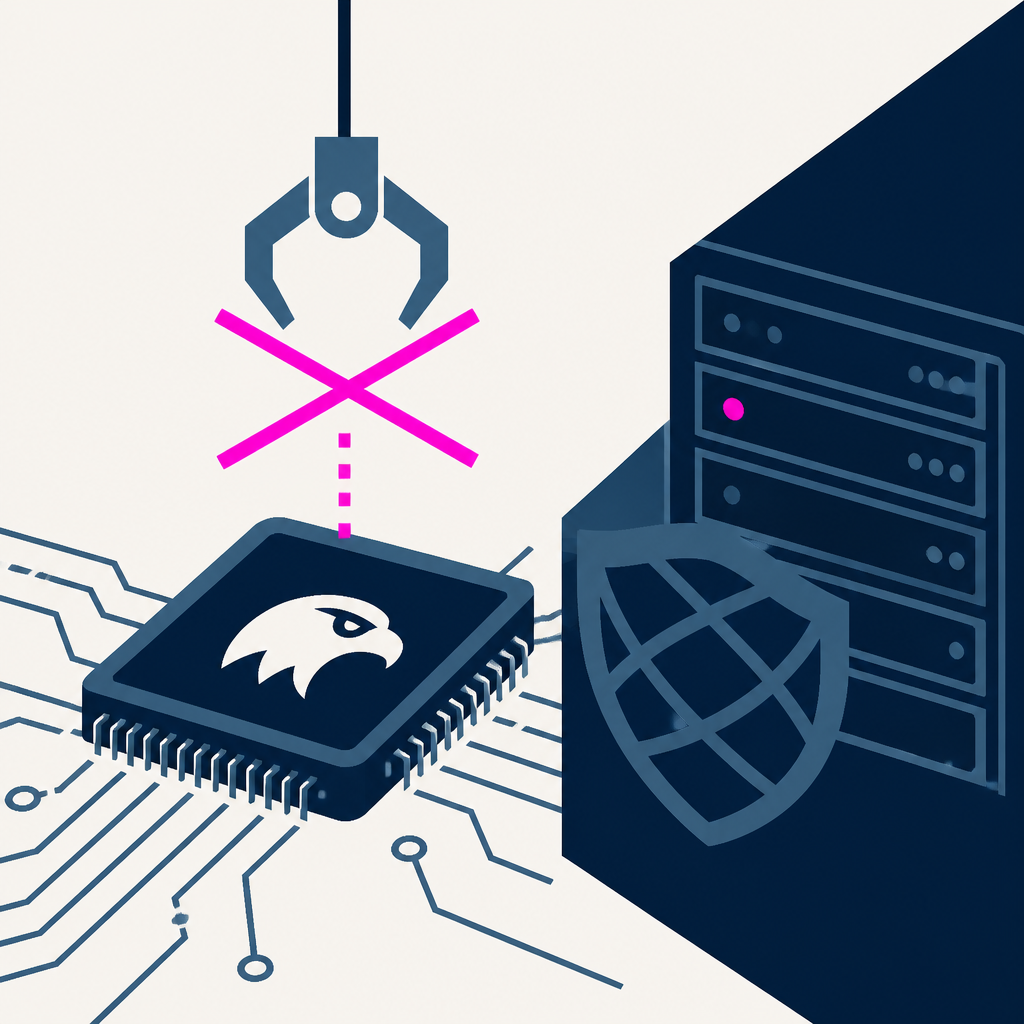
Anthropic's Mythos security model discovered a critical flaw in HAWK, a post-quantum cryptography algorithm that was a candidate for US standardization by NIST, leading its developer to withdraw it from consideration. HAWK had advanced through two rounds of NIST testing and was in the third round when the vulnerability was identified. The algorithm is no longer being evaluated as a potential standard for quantum-resistant digital signatures.
More than 1,100 AI researchers and executives, including Anthropic CEO Dario Amodei, signed an open letter calling for governments to enable deliberate slowing of frontier AI development if safety measures fall behind capability advances. Anthropic's June research showed that over 80% of code merged into its codebase is now written by Claude, raising concerns about recursive self-improvement and systems designing their own successors faster than researchers can evaluate them. The petition has prompted congressional interest, including the bipartisan AI Kill Switch Act, while major labs are already implementing tougher testing, longer validation cycles, and stronger runtime monitoring rather than pausing development entirely.
Cursor, Anthropic, and OpenAI have all introduced pricing options for India, but with different approaches. Cursor launched Cursor Start at ₹649 ($7) per month with UPI payment support and its own Composer model, while Anthropic offers Claude Pro at ₹2,000 ($21) annually and OpenAI offers ChatGPT Go at ₹399 ($4.15) monthly, also with UPI support. Cursor and OpenAI designed market-specific offerings with lower prices and local payment methods, whereas Anthropic largely converted US pricing to rupees without UPI support, making its plans more expensive in dollar terms than their US equivalents.
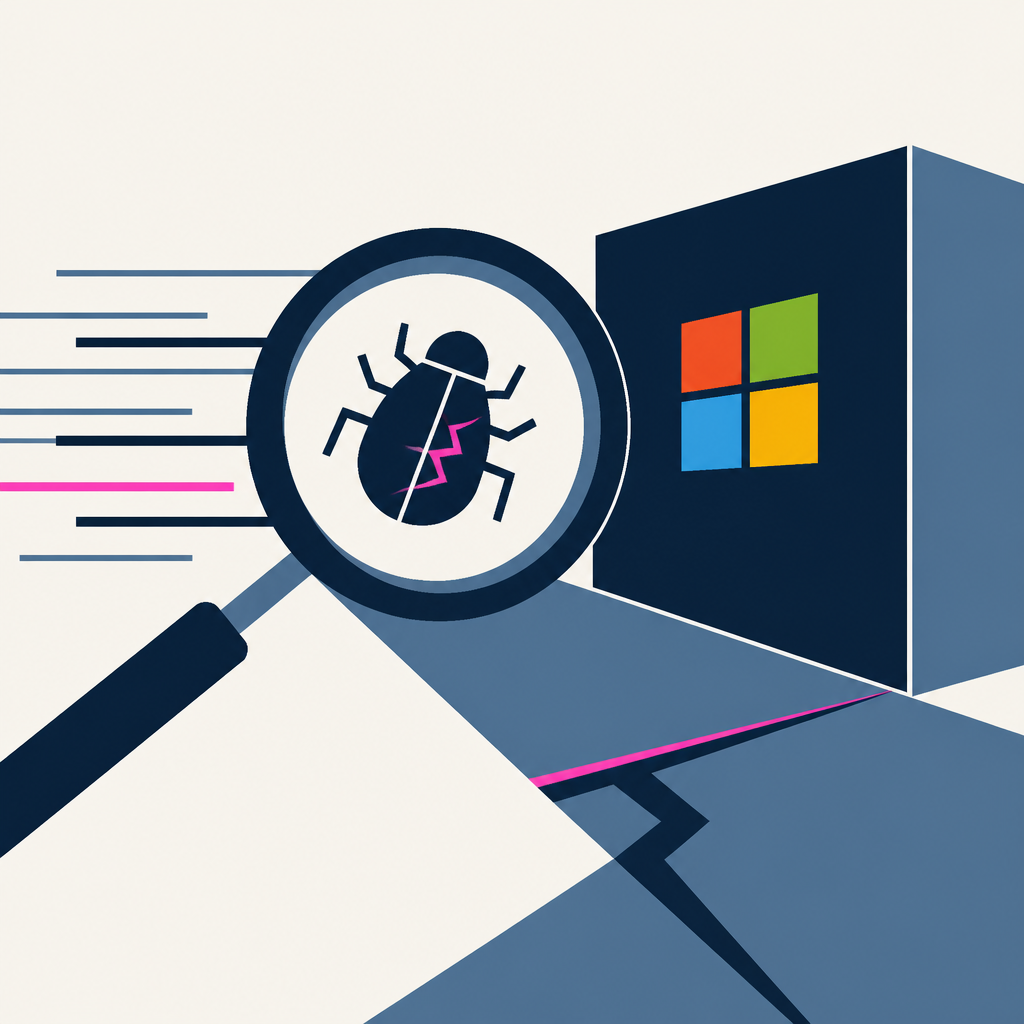
Anthropic's AI model Mythos is identifying security vulnerabilities in Microsoft's software faster than Microsoft's engineers can repair them, prompting urgent meetings at Microsoft's headquarters. The company distributed Mythos to select organizations to discover weaknesses before malicious actors exploit them for espionage and sabotage. Microsoft and other software makers now face pressure to accelerate their patching processes to keep pace with AI-driven vulnerability discovery.
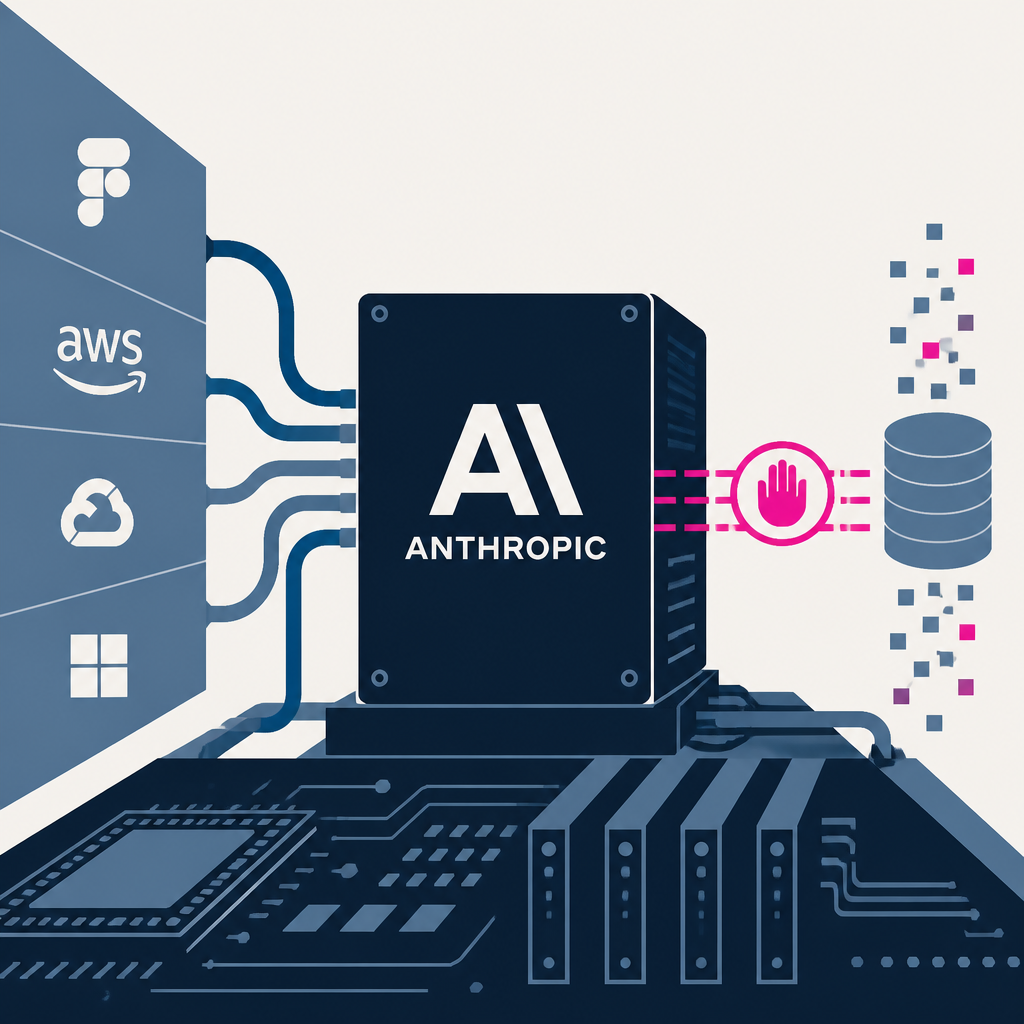
Anthropic faces backlash from Silicon Valley partners over product competition with companies like Figma and opaque data retention practices. The company committed to not using conversation data from Fable and Mythos models for training, but researchers demand greater transparency about data handling. The criticism may pressure Anthropic to clarify policies and adjust competitive practices affecting partner relationships.
Anthropic opposed a blanket ban on open-weight AI models while calling for targeted safety controls including mandatory pre-release testing and chip restrictions, positioning itself against frontier labs seeking tighter controls on model distribution. Anthropic's Dario Amodei specifically advocated for policies focused on chip controls, industrial-scale model copying, and testing rather than a general prohibition on open models. The position sparked debate about whether the company's stance would genuinely protect security or simply preserve frontier-lab market dominance through regulatory means.
Anthropic's Claude Mythos model discovered two new cryptographic attacks: one finding a mathematical weakness in HAWK, a post-quantum signature candidate under NIST review, and another improving attacks on a seven-round variant of AES. The HAWK attack halved the scheme's effective key strength, reducing operations from 2⁶⁴ to 2³⁸, requiring key sizes to double to restore security. The findings demonstrate AI systems can now identify novel mathematical weaknesses in encryption algorithms rather than just implementation flaws, published through coordinated disclosure with algorithm authors and standards bodies.
Every AI story that matters,
in your inbox by 8am.
TLDRocket reads all relevant sources, removes duplicate coverage, and summarises the
day in two minutes. Follow companies and topics for alerts, or get the
briefing in Slack. Free, no spam, unsubscribe anytime.
Reading TLDRocket needs no cookies, and the readership counts we rely on come from
our own cookieless analytics. Google Analytics is the exception: it sets cookies and
reports to Google, so it stays switched off until you allow it. You can change your
mind any time from “Cookie settings” in the footer.
Strictly necessary
Session security and form protection (tldrocket-session,
XSRF-TOKEN, 2 hours). The site cannot work without them,
so they need no consent.
Always on
Google Analytics 4 (_ga,
_ga_<id>, up to 2 years). Measures which
stories and sections readers use. Google acts as a third-party processor and may
store the data outside the EU. No advertising, no profiling, no data sold.